DAFM processes SIM withdrawal requests amid fodder shortage

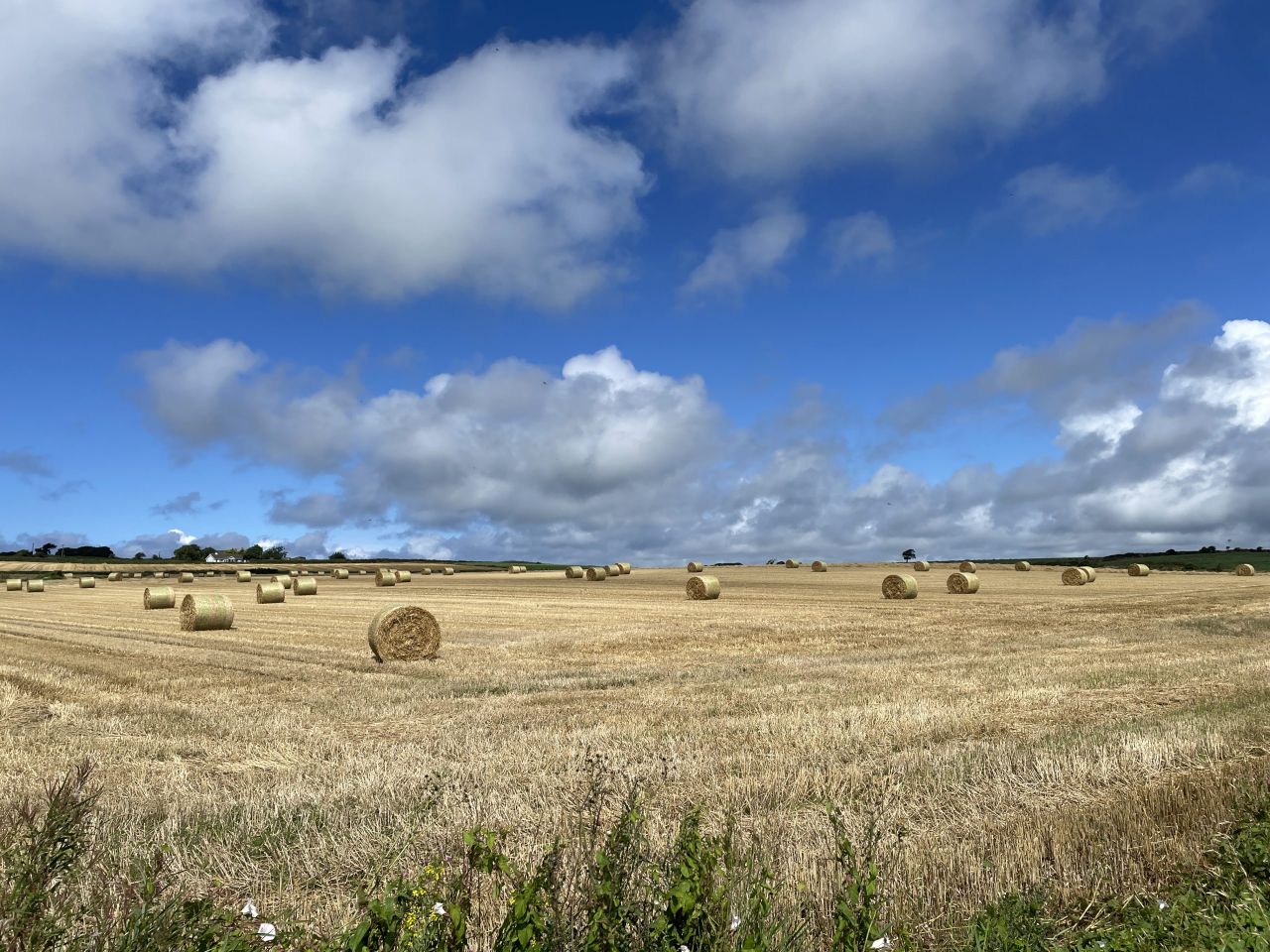
The Department of Agriculture, Food and the Marine (DAFM) is currently working on requests from tillage farmers to withdraw or amend their Straw Incorporation Measure (SIM) applications.
Given the shortage of fodder supplies in parts of the country due to the prolonged dry spell, an increase in demand for straw bales is being reported.
Many farmers, mainly in the east and south, have been forced to eat into their winter fodder stocks as grass growth stalled in recent weeks.
Adding straw to livestock diets is an effective way to help stretch tight silage reserves on farms.
SIM
The Straw Incorporation Measure (SIM) is a scheme under Ireland’s Common Agricultural Policy (CAP) Strategic Plan (CSP) 2023 - 2027.
The popular scheme is designed to provide financial support for tillage farmers to increase soil organic carbon levels by chopping and incorporating straw from cereal crops.
Minister for Agriculture, Food and the Marine, Martin Heydon previously announced that all 3,242 applicants have been accepted into the scheme for 2026.
A total of 73,176ha was applied for across the eligible crop categories.
The department noted this figure may be subject to change following the application of the maximum payable threshold of 40 hectares and the registered farm partnership multiplier.
"As per the terms and conditions for Basic Income Support for Sustainability (BISS) Scheme and other-area based schemes farmers can withdraw from SIM once they have not been notified of an issue with their claim or have been notified of an inspection.
"The Direct Payments Division are currently processing SIM withdrawal and amendment requests but updated information is not currently available on the numbers of farmers or the revised areas under SIM in 2026," a department spokesperson said.
Straw
The National Fodder and Food Security Committee, which met on Friday (August 21), urged all livestock farmers to establish the fodder position on their farm by completing a winter feed budget.
The committee heard that one-in-five of farms surveyed by Teagasc have fewer than 100 days feed available.
Teagasc has advised farmers to plan feed requirements through the remainder of the drought, autumn and full winter housing period.
In cases where stocks are tight, farmers are advised to develop a plan to stretch available forage over the full period for which it may be required.
Teagasc crops and potato specialist, Shay Phelan told the meeting that straw yields are low this year, at about 80-90% of normal, which is likely to increase the price.
Current estimates suggest there will be around 580,000 to 600,000 tonnes of straw this year.
Phelan noted that figure may change as tillage farmers may decide to take more straw out of the SIM and bale it for livestock farmers.