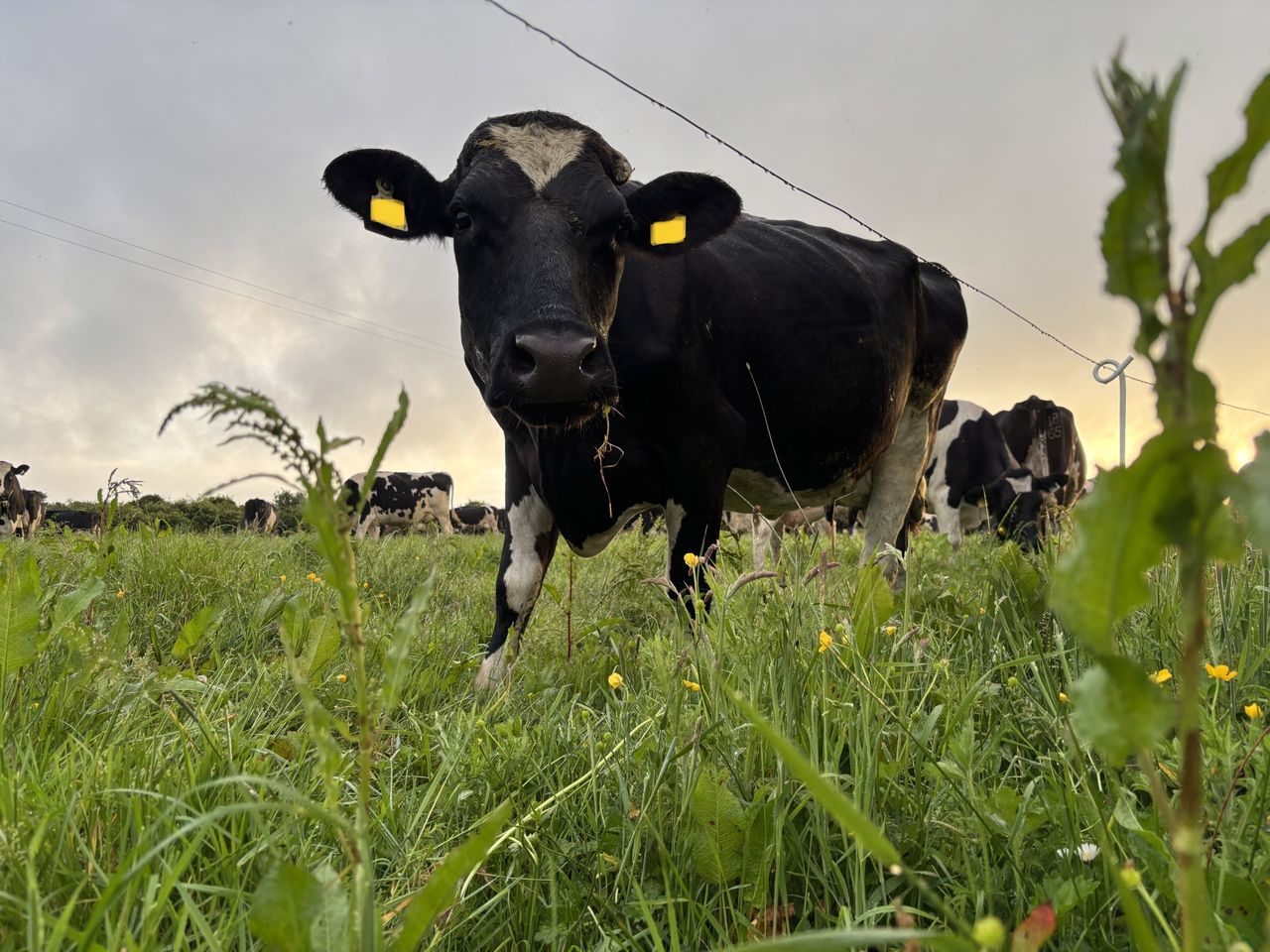
Could someone else run your beef farm?

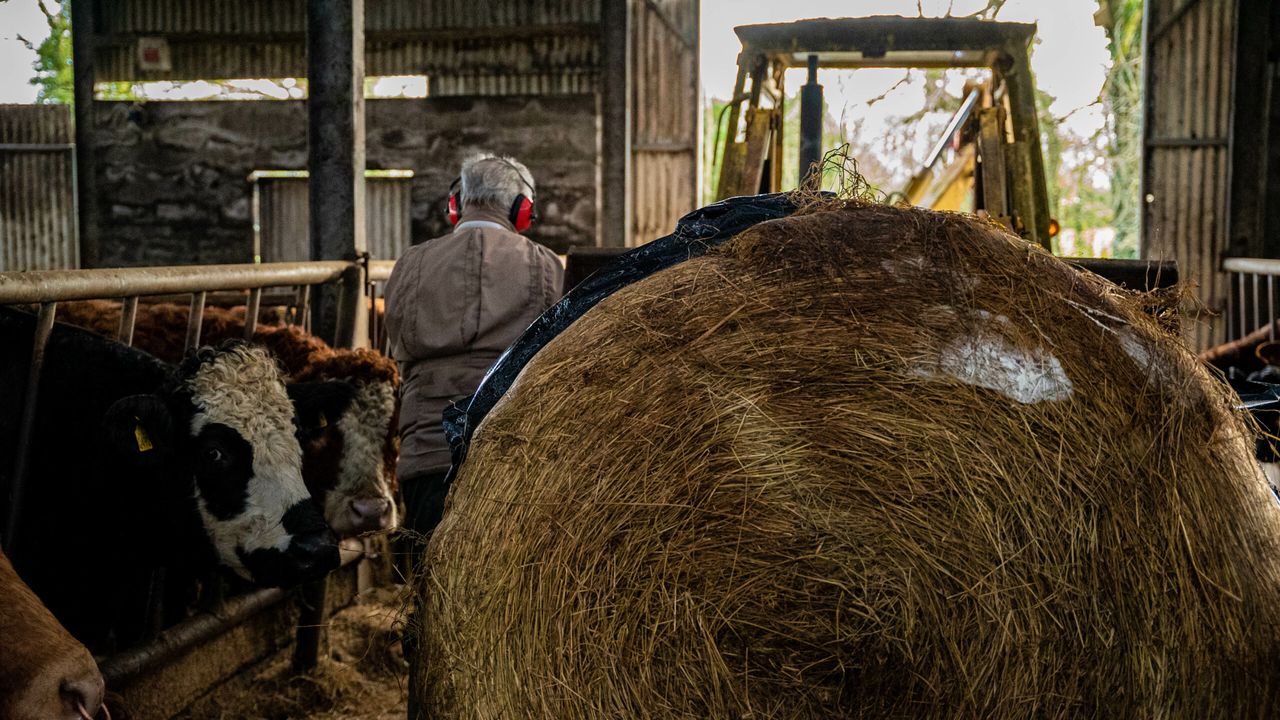
With many beef farms being a solo enterprise, would a stranger be able to run your farm in case of an emergency?
Aisling Molloy, Teagasc Future Beef Programme advisor, explains measures that beef farmers can adopt on their farms to ensure a smooth transition in the case of illness or injury.
Farm management plan
The first practical step should be to create a farm management plan to provide information on the farm's day-to-day activities.
The person intended to take over should be identified, contacted about their proposed position, and subsequently given a brief on what would be expected of them.
A list of essential contacts should be readily available in case of emergency.
Contact information for the vet, neighbours, contractors, and insurance providers should be readily available.
Farm information
Having an up-to-date farm management plan, marked with priority jobs, can be an important tool.
A map of the farm with the water supplies, emergency access points, gate locations and field names marked can be useful for people unfamiliar with the layout.
Keys for gates and machinery should be all labelled and kept in an agreed location.
Daily activities and livestock management
With feeding and animal health practices varying between beef farms, clear instruction on livestock management are important.
Grazing management, feeding mixes, time of feeding and animal grouping should be clearly outlined.
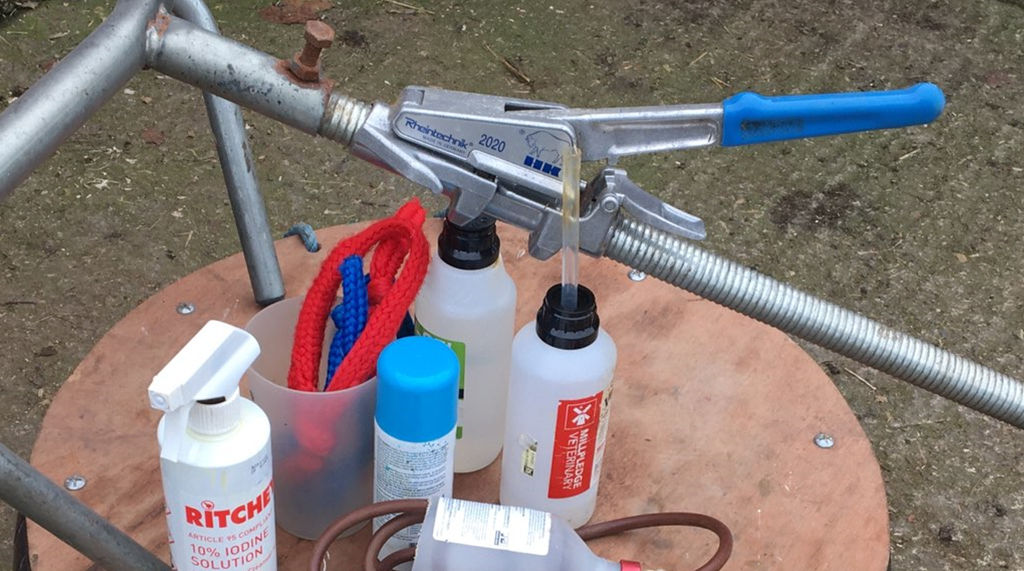
Animal health information should include the herd health plan, vaccination and dosing protocols, treatment records and animal remedies location with all withdrawal periods being clearly recorded.
On suckler farms, any and all breeding information should be explained.
Breeding dates, artificial insemination (AI) details, scanning results, and calving dates are essential.
The location and appropriate use of calving aids should also be clear.
Machinery and fam safety
The person who steps up must show competency around machinery and be capable of operating them safely.
Outline how essential equipment is used and make note of the safety risks involved with operating such machines.
Potential hazards should be identified, with the first aid kit, fire extinguisher and protective clothing located.
Make sure to check that farm insurance covers temporary or relief workers who may be on farm.
Financial and personal arrangements
Not only does an unexpected illness or injury place burden on the running of the farm, financial pressure on the household must also be considered.
Farmers should first understand what their insurance covers in regards to illness and injury, and review their financial protection.
Consider how mortgage repayments, household expenses and loan repayments would be affected if farm income was interrupted.
Family members should be familiarised with bank details, land ownership, herd number information, and insurance policies to prevent any hidden issues that may arise.
Farmers should have a will that is in place and up-to-date, while farm succession should be a topic discussed with possible inheritors.