Correcting cell counts mid-season

In the final few days of May, the national average somatic cell count (SCC) level was sitting at 158,000 cells/ml, according to the Irish Cattle Breeding Federation (ICBF).
Ideally, we want to glide through the rest of the summer with cell counts averaging 100,000 cells/ml or lower.
The further herds climb from this target, the more money is lost out on in the end-of-month milk cheque.
An average of 158,000 cells/ml is not terrible, considering how hectic the past few weeks have been, between breeding and trying to get the first cut in.
As well as that, the heavy rain across the country has played a role in environmental mastitis, with tracks getting muddy once again.
However, if we look back on last year, the national average was sitting at 139,000 cells/ml during the same week.
This was 19,000 cells/ml closer to that 100,000c cell/ml target, but things slipped out of control through the summer then.
By the end of June, cell counts had reached 160,000 cells/ml and stayed climbing until the first week of August, where they peaked at 189,000 cells/ml.
Given where milk prices are sitting, we need to ensure that does not happen again this summer by identifying and controlling problem cows through monitoring of bulk tank SCC, as well as upkeeping high standards of hygiene.
If you do see bulk tank SCC rising, do not ignore it as there is more than likely a number of infected quarters in the herd causing a spike.
Cell counts
In the 10 days leading up to Friday, May 29, there was 111,063 cows milk recorded, with a noticeable difference between the best 20% and worst 20% in terms of SCC.
The top 20% of cows recorded averaged 98,000 cells/ml, while the bottom 20% averaged 257,000 cells/ml.
However, that is not always a clear representation of farm management, as it is easy for a cell counts to rapidly spike.
As well as that, some farmers milk record knowing there is issues in a bid to collect data and find the root problem.
There are a number of measures farmers can take before getting to this point where milk recording is used to find and remove problem cows from the herd.
Most of them are simple management tools that get overlooked when things are hectic.
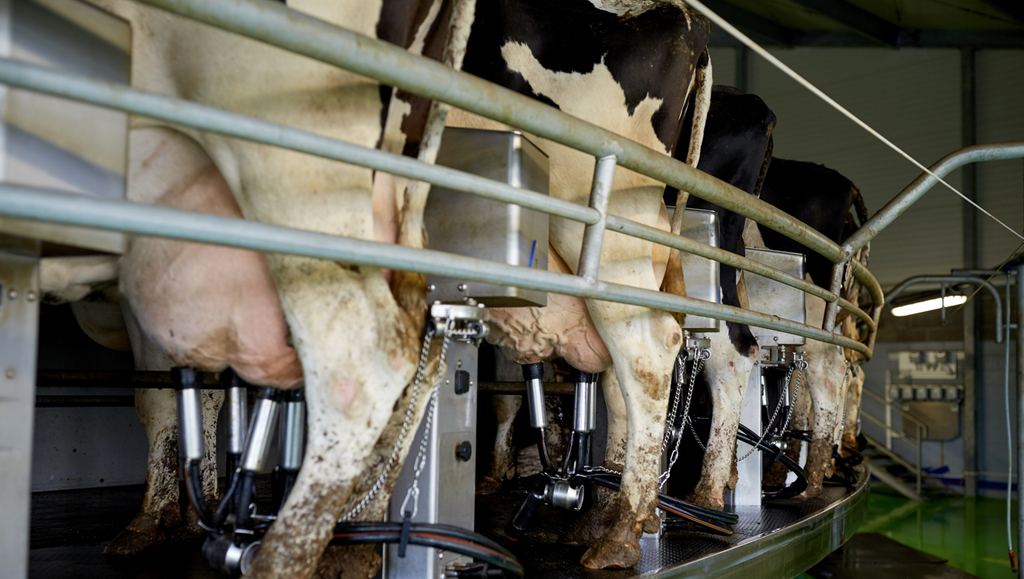
Given the wet spring this year, time seemed to be stretched thin, meaning the milking machine might not have been tested and serviced, this should be done every nine to 12 months.
As mentioned above, the heavy rain over the last week may deteriorate roadway conditions, but it is crucial that the cows' environment is kept clean.
Ensure a good milking routine is in operation with standard operating procedures (SOPs) implemented.
Farmers should not underestimate the power of teat disinfectant post-milking, as it has the ability to reduce infection rates by up to and even over 50%, as long as the whole teat is covered.
Continue to use tools such as the California Mastitis Test (CMT) for cows suspected to have issues or for cows with a history of poor milk quality.
Bear in mind that cows who have had three or more clinical cases of mastitis during a lactation, or have cell counts over 200,000 cells/ml in multiple lactations despite receiving antibiotic treatment, are considered problem cows.
There is always the temptation to keep milking problem cows on, but by doing so you are leaving the risks of infection spreading through the herd, affecting your high achievers and overall production and profitability.