EU innovation regulations putting farmers 'on the back foot'

Regulatory processes delaying the registration of innovation products in the EU are putting farmers in Europe "on the back foot".
That's according to Martin Voss, chief innovation officer at Oath Group.
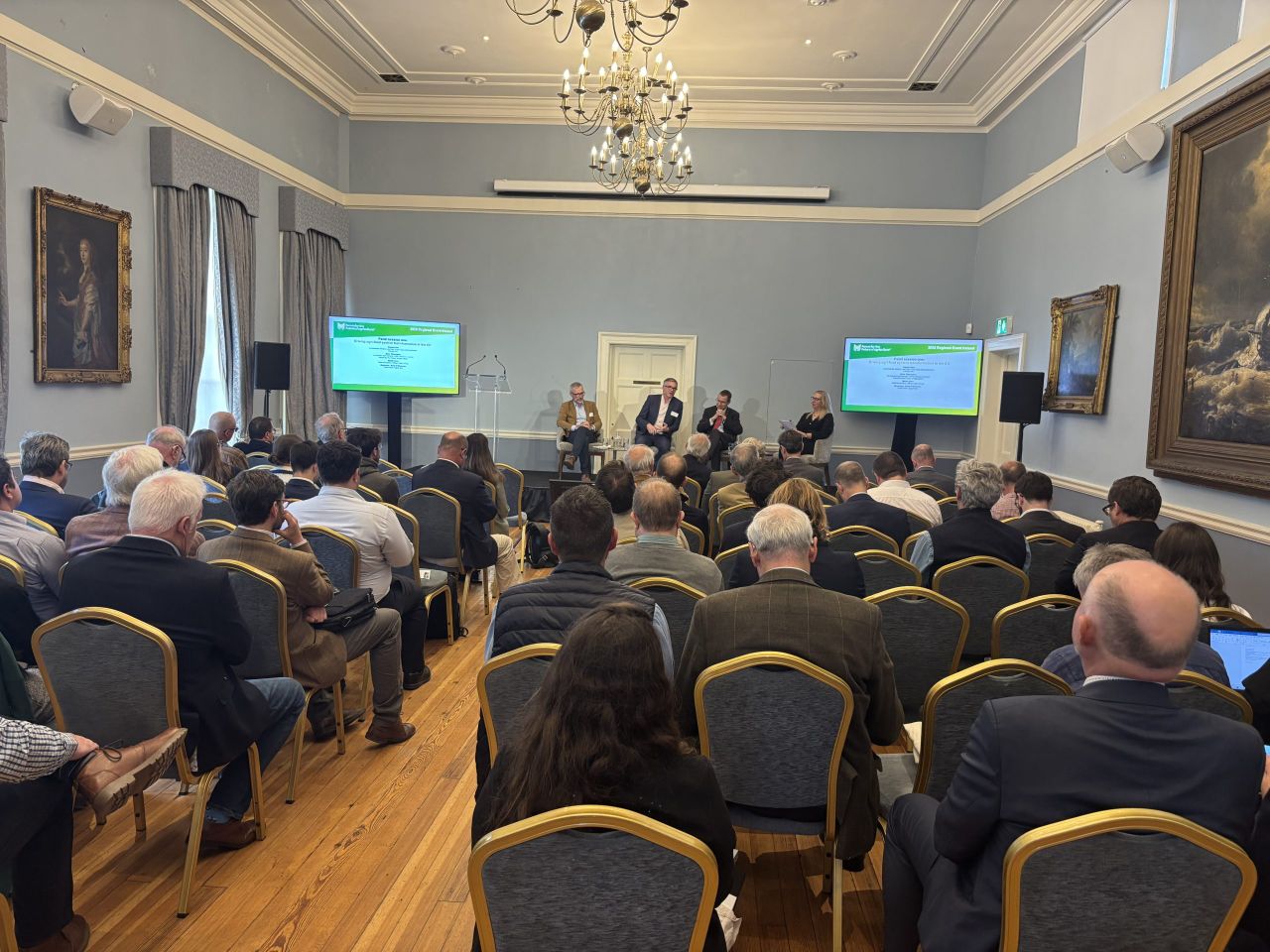
He was speaking at the Forum for the Future of Agriculture event hosted by the European Landowners Organisation (ELO) at the RDS in Dublin on Tuesday (June 2).
The chief innovation officer said that over the last decade, the EU "has turned into the most difficult and most expensive place to get anything [agriculturally innovative] registered."
"Whether its chemical or biological, it does not make much of a difference, and it's putting Europe on the back foot," he added.
Voss told the delegates at the event from across the EU: "We're able to launch innovation in other places where regulatory processes are rigorous - not less rigorous than here but more efficient and faster.
"I think it would be a great advantage for the growers in the EU and the food system here if innovation could come quicker into the market"
The innovation expert was speaking on a panel at the event titled: 'Driving agri-food system transformation in the EU'.
Voss, who is an agronomist and plant pathologist, said: "The way I approach the food systems transformation thought process is from the agronomy [aspect]".
"If we look back 30 years, we were worrying if we were able to produce enough to feed everyone that is going to be living and born on this planet. I think today that has shifted, to the questioning can we produce enough sustainably."
He added that geopolitics are compounding the difficulties.
"All of the fertiliser plants destroyed recently in the Middle East will take 4-5 years to rebuild," Voss continued.
He also drew attention to soil degradation, an issue which he said "has been ongoing much longer".
"According to the World Health Organisation (WHO), 75% of all managed land is degraded," he said.
Fianna Fáil MEP Barry Cowen provided the closing remarks at the ELO conference, in which he called for building a Europe with improved food security and that supports farmers.