Comparing organic and conventional beef, suckler and dairy systems

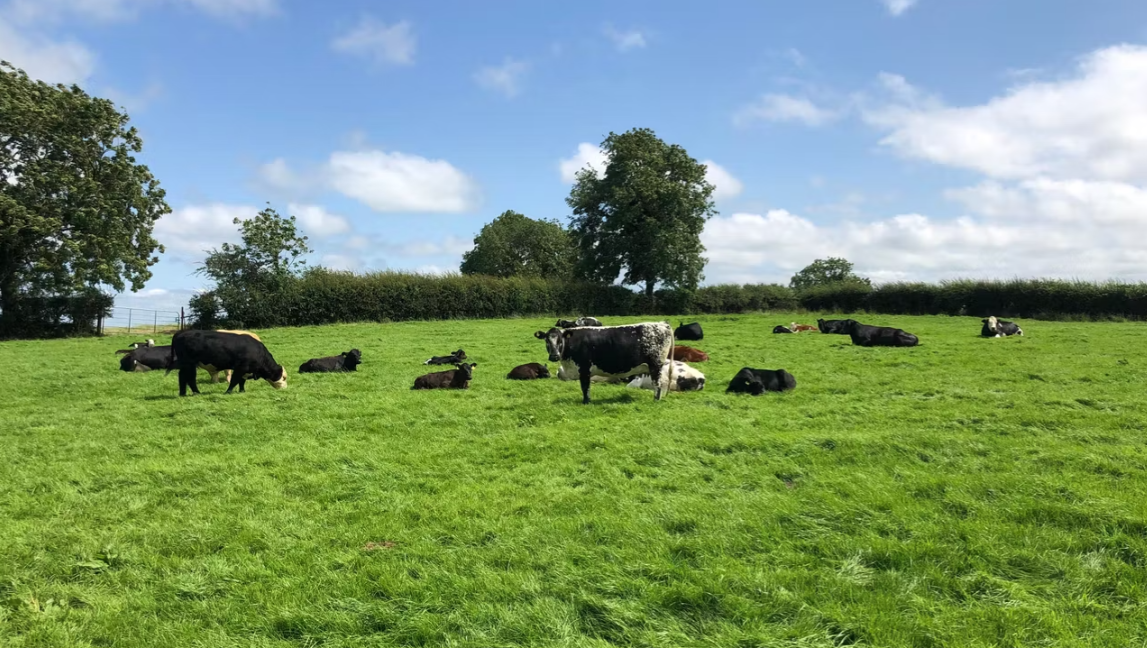
One of the research presentations at the recent Teagasc 'Farming For a Better Future' open day at Johnstown Castle, Co. Wexford, focused on comparing organic and conventional beef, suckler and dairy systems.
The comparisons were drawn from initial 2024 Teagasc National Farm Survey (NFS) data, with researchers noting that a larger organic sample will be included in the 2025 survey results when made available later this year.
Researchers Kevin Kilcline, Mary Ryan and Tara Gilna presented insights based on initial data collected by the 2024 Teagasc National Farm Survey (NFS) as part of the Growing Resilient Organic Farm Systems (GROFarmS) project funded by the Department of Agriculture, Food and the Marine (DAFM).
Organic vs conventional beef finishing farms
The findings indicated that organic beef finishing farms are larger on average by about 66% utilisable agricultural area (UAA).
These organic finishing farms carry more livestock on average but have lower stocking rates and more land allocated to tillage and other uses.
The findings also indicated that gross output is 48% higher on organic finishing farms (including subsidies).
Family farm income on organic finishing farms is more than double conventional finishing farms at €36,825 versus €17,650.
The research also highlighted that organic beef finishing farms have lower input costs on a per hectare and livestock unit basis, leading to greater gross margins of up to 75%.
Direct payments make up a greater share of output on organic finishing farms at 43% vs 24% in conventional beef finishing farms.
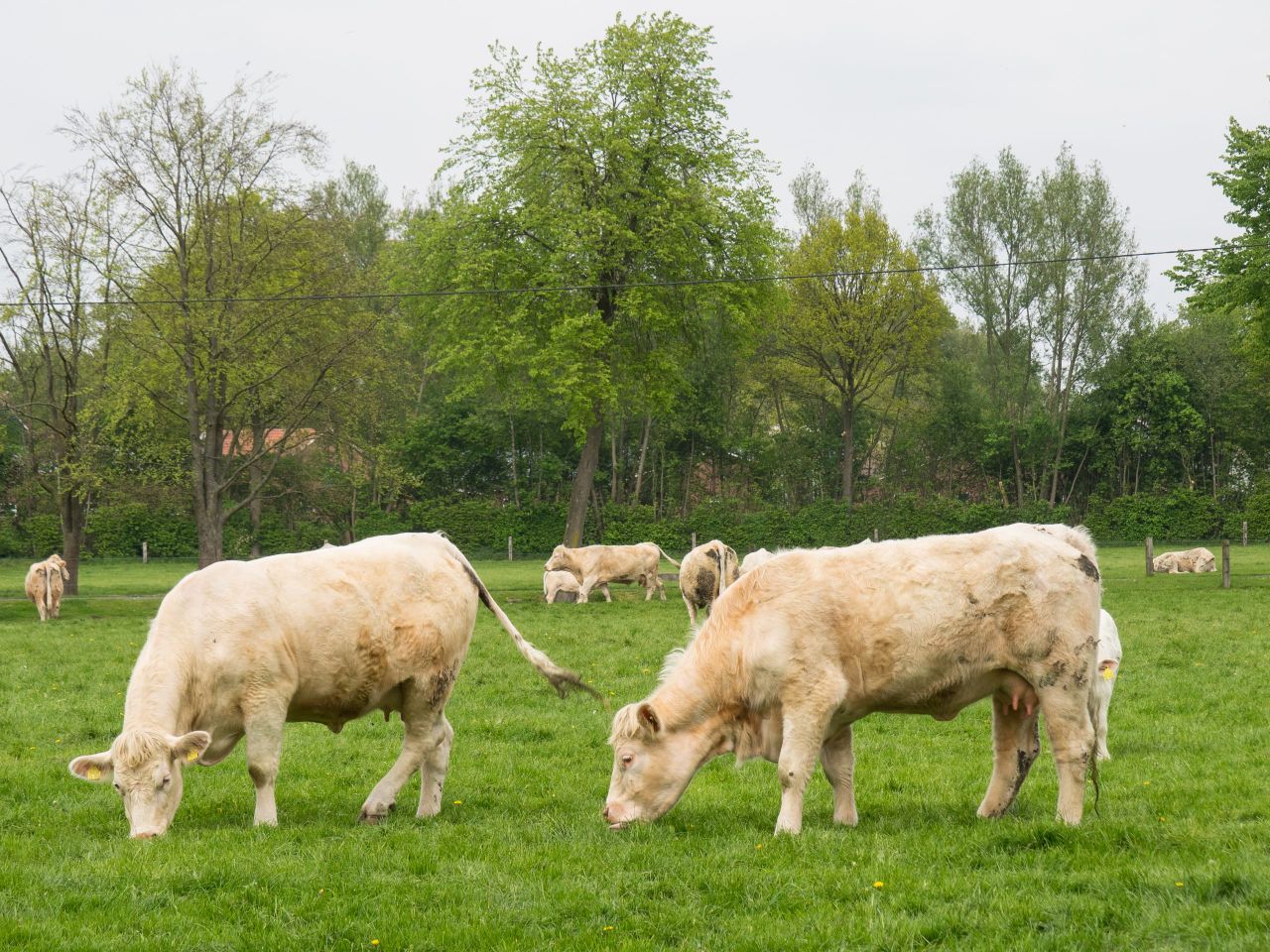
Organic suckler farms vs conventional suckler farms
As with the beef finishing farms, the average organic suckler farm is larger than the average conventional suckler farm at 43ha compared to 31ha.
Despite this, the organic suckler farms operate at lower stocking rates and fewer livestock units.
Direct costs such as feed, fertiliser and veterinary inputs on organic suckler farms are 28% lower, lifting gross margins on these farms.
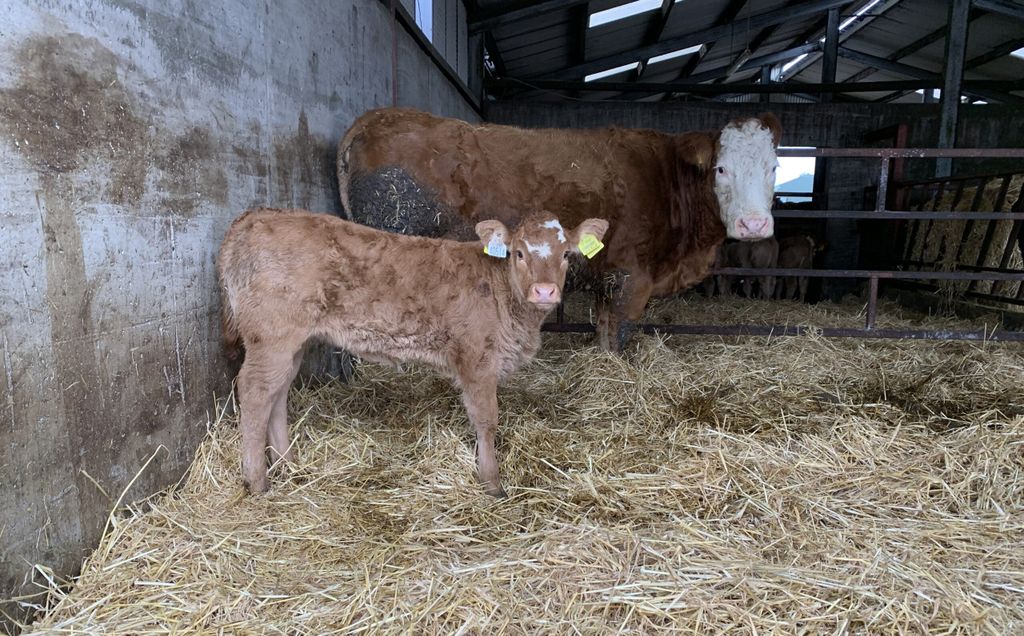
Family farm income is higher on organic suckler farms at €19,635 vs €13,442 on conventional suckler farms, driven by stronger direct payments.
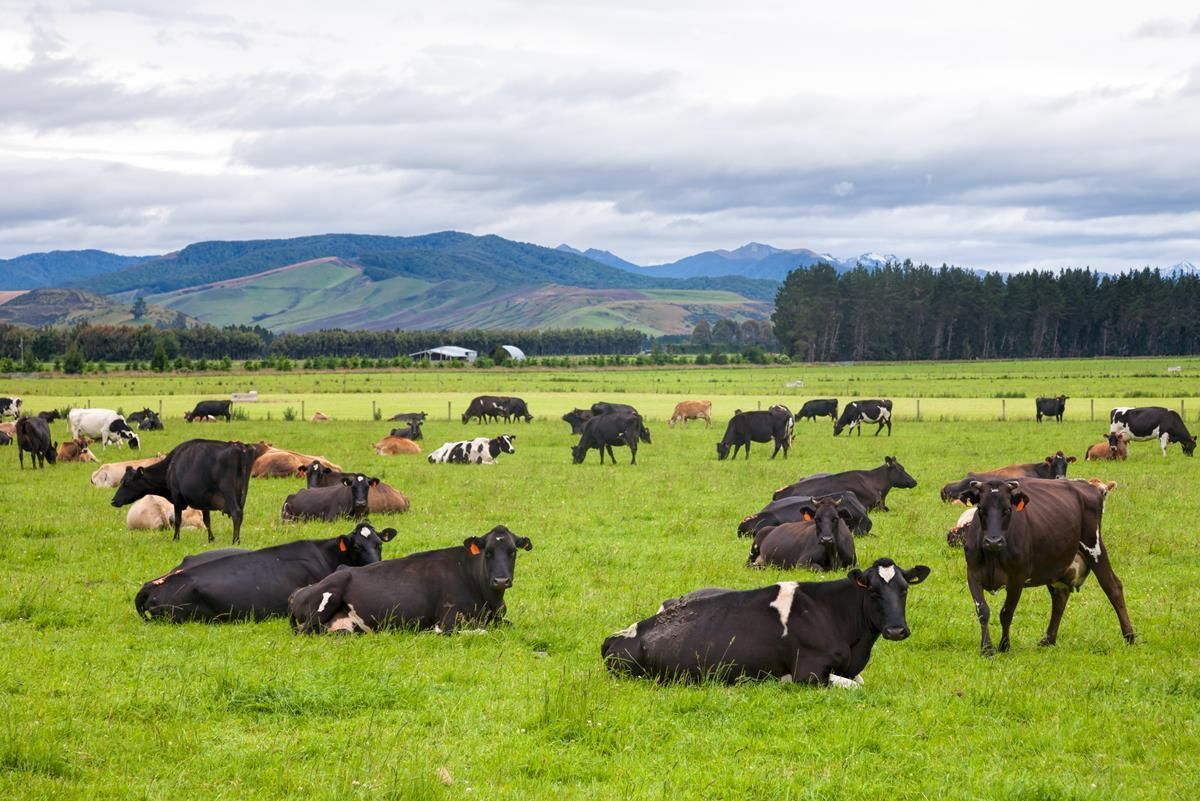
Organic dairy farms vs conventional dairy farms
As with the other two sectors, organic dairy farms are larger on average at 77ha vs 70ha.
There are fewer livestock units on organic dairy farms at 121 versus 142 on conventional dairy farms.
Conventional dairy farms produce 39% higher gross output. As well as this, conventional dairy family farm income is higher at €110,398 versus €53,964.
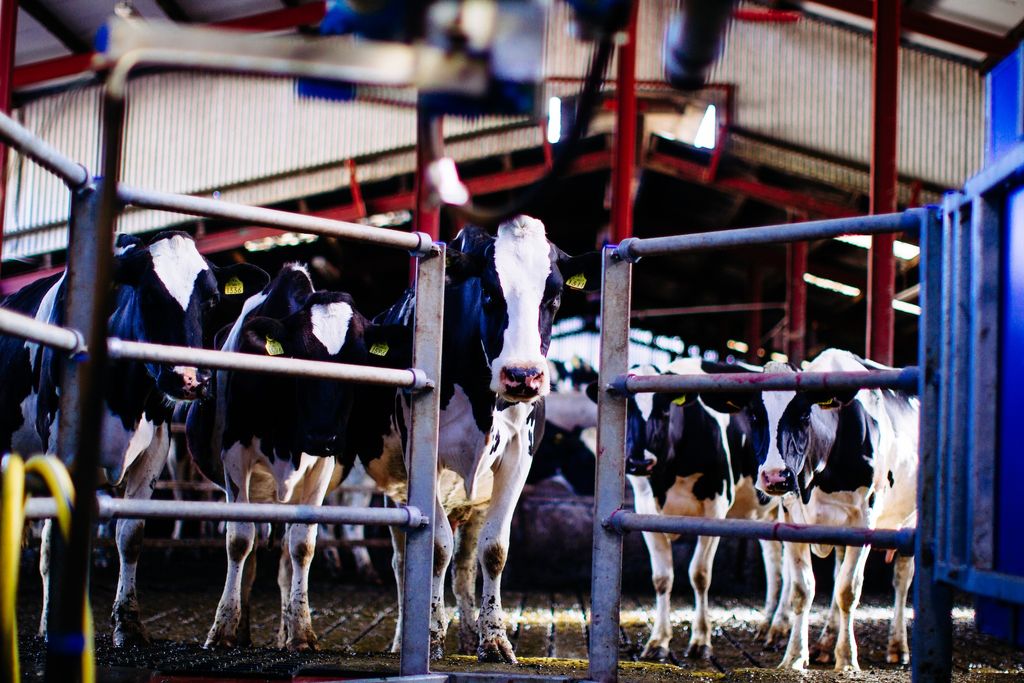
Organic dairy farms have 30-37% lower direct costs but rely more on direct payments which form 18% versus 7% of gross output.
Organic versus conventional summary
The researchers noted that there are "clear differences between organic and conventional farms in terms of structure and financial performance".
Other key points from the research include:
- Organic farms generally run at lower intensity with lower output per hectare and fewer inputs such as feed, fertiliser and chemicals, though overhead costs can be higher in some cases;
- Conventional systems tend to achieve higher market output through higher stocking rates and input use;
- Organic farms often achieve a similar or higher total income when supports are included but this varies by enterprise;
- Pillar II payments under Common Agricultural Policy (CAP) are a key part of organic farm income;
- Organic systems show less exposure to rising input costs and may be more resilient in volatile input markets;
- Tend to have more diversified farm income sources, with more households earning off-farm income.
The researchers noted that continued support of the organic sector will depend on sustained policy support (especially for income stability and adoption), alongside stronger market development and improved system efficiency.