Advice: Low-cost steps to protect your farm from thieves

A farm theft can have a devastating impact on the victim’s livelihood and even mental health, but many crime prevention steps can cost as little as €50.
Supt. Michael Corbett, An Garda Síochána’s national rural crime lead, outlined to Agriland some crime prevention steps that are cheap and straightforward.
He was speaking at Maynooth University, which hosted the inaugural workshop for the European Rural Crime Network (ERCN).
ERCN brings together rural crime prevention officers from national farming federations across all 27 EU member states and the UK in recognition that "rural crime is a transnational, economically motivated problem".
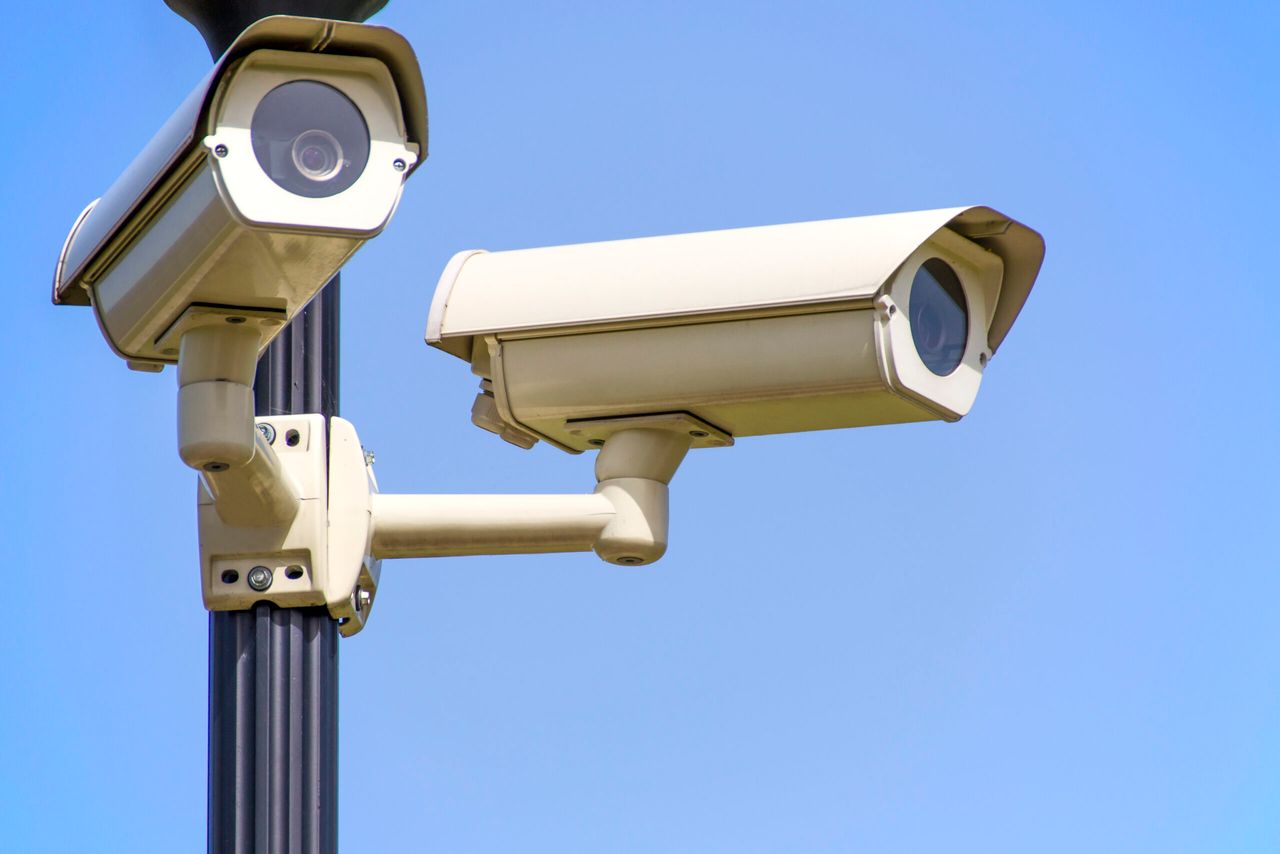
On the subject of affordable crime prevention, Supt. Corbett said: “CCTV has come down an awful lot in cost.”
He added that CCTV cameras can be purchased “for small money, €50, €60, and you can have it connected to your Wi-Fi and it's connected to your phone”.
“It'll send you alerts if somebody comes in.”
Tracking devices and property marking are also affordable, he said.
This includes a clear paste that’s “totally unique”, can be applied to machinery, and readable from a small machine.
He urged every farmer to take a look at their farmyard and take “basic security measures”.
This means having locks and gates, effective lighting, and CCTV.
Quad bikes
Quad bike theft in rural areas is an ongoing problem.
“We've a substantial amount of quad bikes being taken,” Supt. Corbett said.
He added that if you’re paying for a quad bike, the additional extra security expense is minimal.
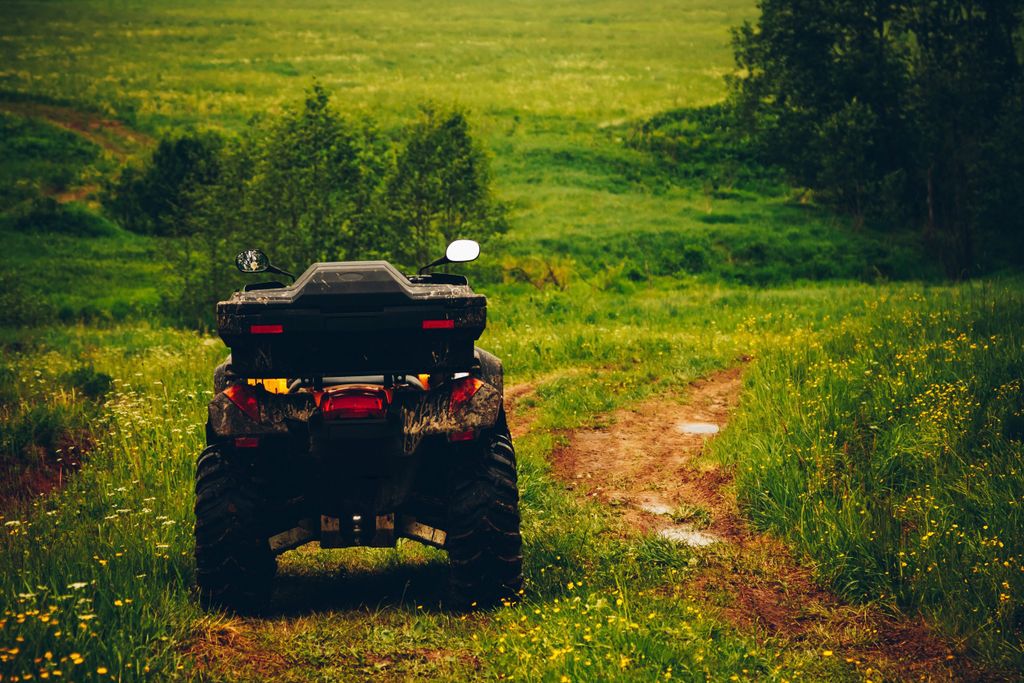
“If you buy a new quad in the morning and you give 10 or 12 or 15 grand for a quad bike, it's definitely worth spending €70 or €80 to put a tracker on it and you can geo-fence it.”
Geo-fencing means that if a vehicle travels beyond a designated area, the owner is notified on their phone.
Supt. Corbett said: “It’s just about that mindset, about trying to get people to do it. You purchase the item and then it's about ‘how can I protect it to make sure that it's not stolen?’”
Good habits
Supt. Corbett admitted that farmers are busy, but he maintained that a check in the evening is worthwhile.
“It's about just reducing the opportunity, doing a check in the evening.
“This is a busy time of the year with silage and harvesting and a lot going on and you're moving between vehicles and you're leaving keys in vehicles.
“And there's different people in and out. So it's just about maybe getting into a habit of the last thing you do before you leave the yard is you just check stuff or, you put a loader across the gate, and it just stops anybody from getting in with a vehicle. Simple things like that.”
He describes other effective steps, like sensor lighting, as relatively inexpensive.
The superintendent said that criminals “operate on opportunity, speed and darkness for a lot of the time that crime is committed, because they want to get in and get out as quickly as they can”.
“And it's about reducing that opportunity then and making things more difficult.”
Not all security measures are high tech, he said: “Even simple things like having a good dog in a yard makes an awful difference because, you know, if you have a good dog and he barks, he's going to make a lot of noise.”
Graham Kavanagh, research and development officer at Muinter na Tire, added that being neighbourly is a key to safety in rural areas.
Muinter na Tire is the National Association for the Promotion of Community Development in Ireland, and Kavanagh is working on a 'Community Safety Toolkit'.
He said the project will empower communities "with the tools and the knowledge that they can use themselves to feel safer in their communities".
Kavanagh said that in rural Ireland "there's so much we can do together as neighbours to keep each other safe, to watch out for those that are probably on their own, vulnerable, isolated, lonely".
He added that they are "the people are probably more susceptible to criminal activity or to people preying on them".
Bad habits
On the subject of preventative measures, one step that is often missed is taking the keys out of a vehicle.
Earlier this year, An Garda Síochána statistics showed that 37% of tractors that were stolen from farms had the key inside the tractor.
According to gardaí, 64% of vans taken from farms had the keys inside, while keys were left in 25% of stolen quads.
"We hate to state the obvious, but we’re going to anyway: Stop leaving the keys in your vehicles," gardaí said in a social media post.
"The statistics around farm vehicle theft are staggering – with a large volume of stolen vehicles being driven away with the owner’s own keys."
At the ERCN workshop, Supt. Corbett’s UK counterpart, Andy Huddleston shared an interesting statistic: "Of the 17 cash machine rip-outs in the UK last year, 14 of them were done using farm telehandlers."
Huddleston said that this is because a high number of telehandler users leave the keys in the ignition, leaving them vulnerable to theft.
He added: “I do think it's reasonable, that on the £90,000 machine, you take the keys out at night.”