New Zealand milk production to hit record level for 2025/2026

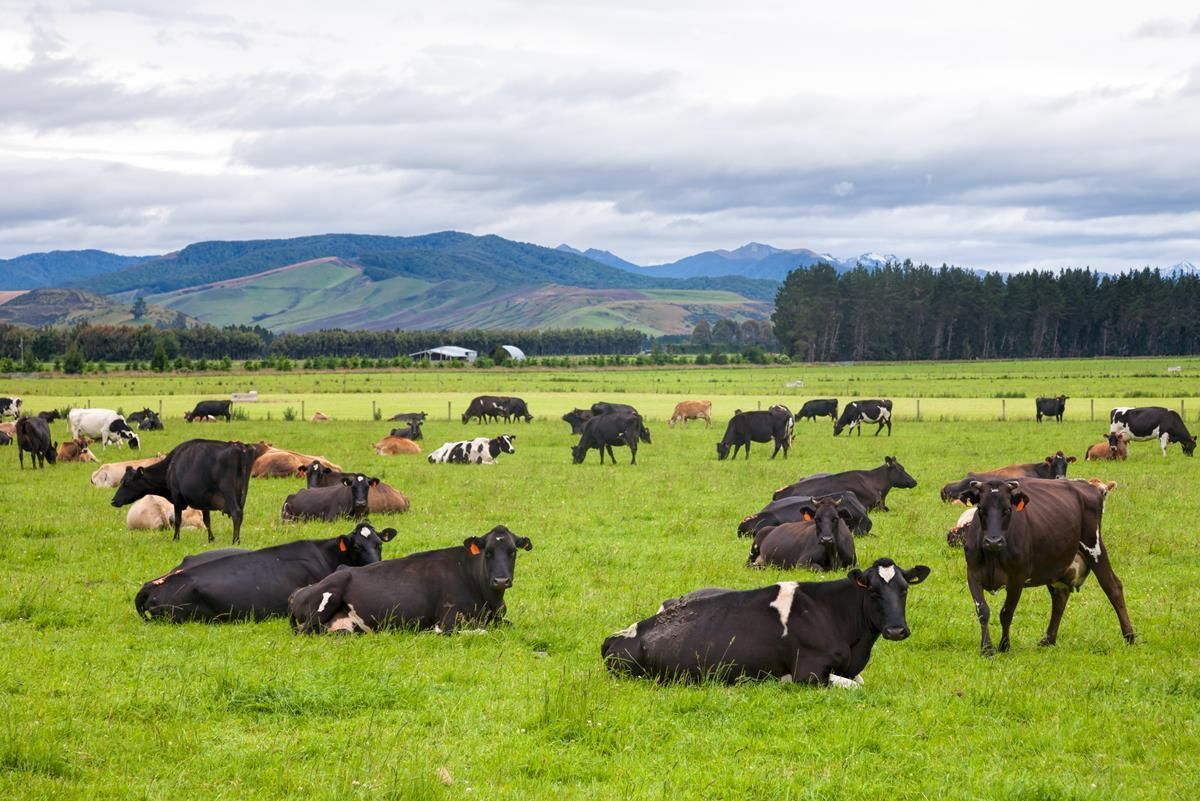
New Zealand's milk production is forecast to set another record for both May collections and the 2025/2026 season, according to a trading update from the New Zealand stock exchange (NZX).
Milk solids collected during May totalled 108.7 million kilogrammes, a year-on-year increase of 5%.
The full season result reached 2.026 billion kilogrammes, a lift of 4.5% on last season, and up 4.1% on the last record set in the 2020/2021 season.
In terms of milk tonnage, 1.023 million tonnes of milk was collected by New Zealand dairy processors in May 2026, up 3.6% on May 2025, which was the previous record for the month.
22.397 million tonnes of milk was collected across the 2025/2026 season, up 3.6% year-on-year, and up a marginal 0.3% on the last record set in May 2021.
NZX said that milk production growth over the past two seasons has reflected a change from an industry largely in consolidation mode back toward expansion.
This has been driven by stronger global dairy commodity prices, resulting in improved farmgate returns as well as the capital return.
This has been paired with, until recently, lower input costs and favourable weather conditions. On the whole, the 2025/26 full season is up on the five-year rolling average by 5.7% for milk solids and 3.9% for tonnage.
NZX said that production strength has been consistent across the season, which is in part due to both a rise in cow numbers and a rise of the number of cows still in milk, even as the season wound to a close and farmers were preparing to dry off.
The start of the season saw a rise in the use of supplementary feed and fertiliser, with farmers in a good place to do so with high farmgate milk prices providing "a key tailwind".
The La Niña weather pattern (which is related to but not the same event as the more widely-known El Niño event) over the southern hemisphere summer brought both warmer temperatures and greater-than-normal rainfall, which helped maintain pasture dry matter and reduce the amount of supplementary feed applied during the height of summer.
NZX said weather conditions in May declined year-on-year when looking at pasture growth potential, which was down 10.8% on average, due to a decrease in moisture, light and temperature indices.
However, according to the NZX pasture growth index, conditions started the month historically high, off the back of strong growth conditions in April.
NZX said that, looking ahead, the New Zealand dairy sector can expect the year-on-year growth trajectory to pull back.
This is because of the knock-on impacts of the Middle East conflict and the resulting increase in costs for "the four Fs" - fuel, fertiliser, feed and freight.
NZX is anticipating a year-on-year production decline for June of 3.3% compared to same month 12 months earlier, and a decrease of 0.1% for July.