CAP reduction would 'put farm livelihoods at risk'

A drop in Common Agricultural Policy (CAP) funding would "put farm livelihoods at risk", the Irish Cattle and Sheep Farmers' Association (ICSA) has warned.
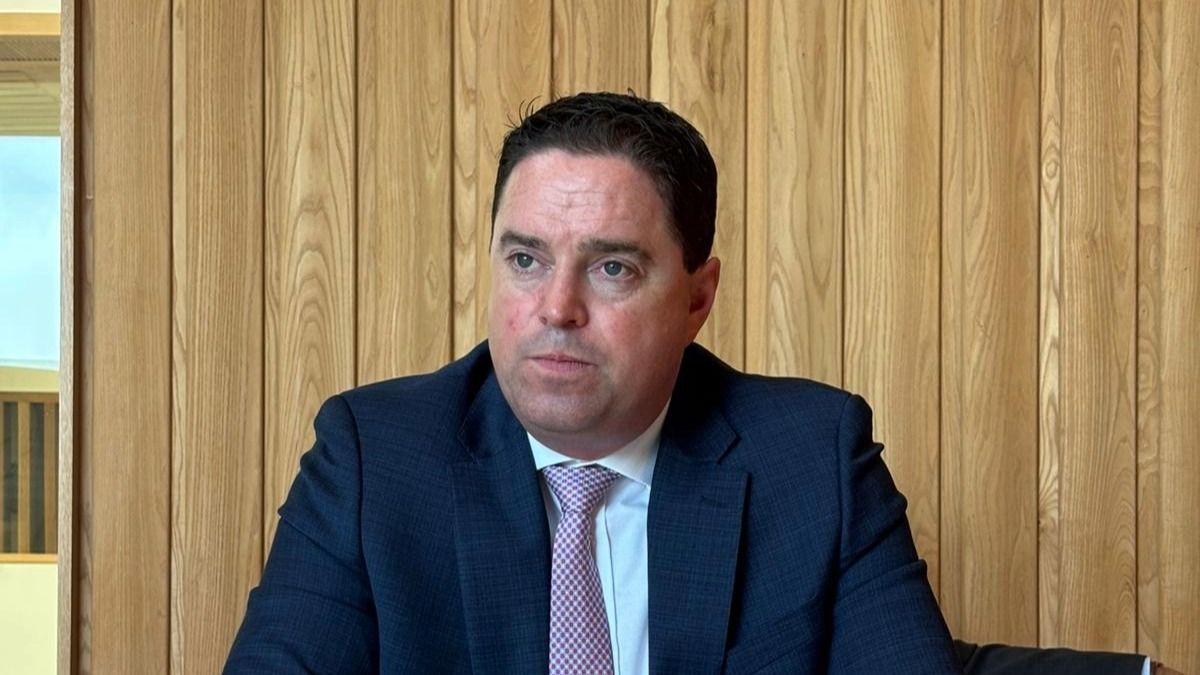
ICSA rural development chair Edmond Phelan has said that a projected over 20% reduction in CAP payments for Irish farmers would "hit farm incomes hard, particularly for beef, sheep and suckler farmers who depend heavily on direct payments".
"For many farmers, CAP payments are a vital part of making the figures add up," Phelan said.
"A cut of this size would leave a serious hole in farm incomes when many farmers are already struggling to make a living."
Phelan was speaking after a Department of Agriculture briefing for farm organisations this week on the proposed EU budget for 2028–2034.
The briefing followed Saturday’s publication of the Irish presidency’s latest negotiating proposal.
Continuing, Phelan said: "The Irish presidency’s latest proposal does nothing to reverse the substantial reduction in the CAP budget compared with the current funding period.
"The suggestion that national funding could make up the difference leaves farmers unsure how much support they can expect.
"We cannot expect farmers to plan for the future on the basis of funding that may never materialise.
"Ireland must use its presidency to push for a better deal while these negotiations are still under way.
"We need a CAP budget that recognises the importance of farming and gives farmers a fair chance of making a living from what they do."
Phelan said that as public service workers prepare to take strike action to secure pay increases to help them cope with rising costs, Irish farmers are facing the prospect of an over 20% cut in CAP payments.
"We do not begrudge other workers seeking better pay, but farmers face the same rising costs and need to earn a decent living too," the ICSA chair said.
"You cannot expect farmers to produce our food while cutting by 24% the funding that helps keep their businesses going."
Food production
Phelan said Europe risks undermining its own ability to produce food by pursuing policies that make farming less viable.
"If farmers cannot make a living from food production, Europe's ability to feed itself will be put at risk," he said.
"Farmers and the public should not have to pay the price for policy decisions that undermine Europe's food-producing capacity.”
He said the proposed reduction would also make it harder to attract the next generation into farming.
"If we want the next generation to take on farms, there has to be a viable business there for them," Phelan said.
"We cannot talk about generational renewal while putting further pressure on the income that keeps farms going."