BVD calf compensation rates unchanged since 2019

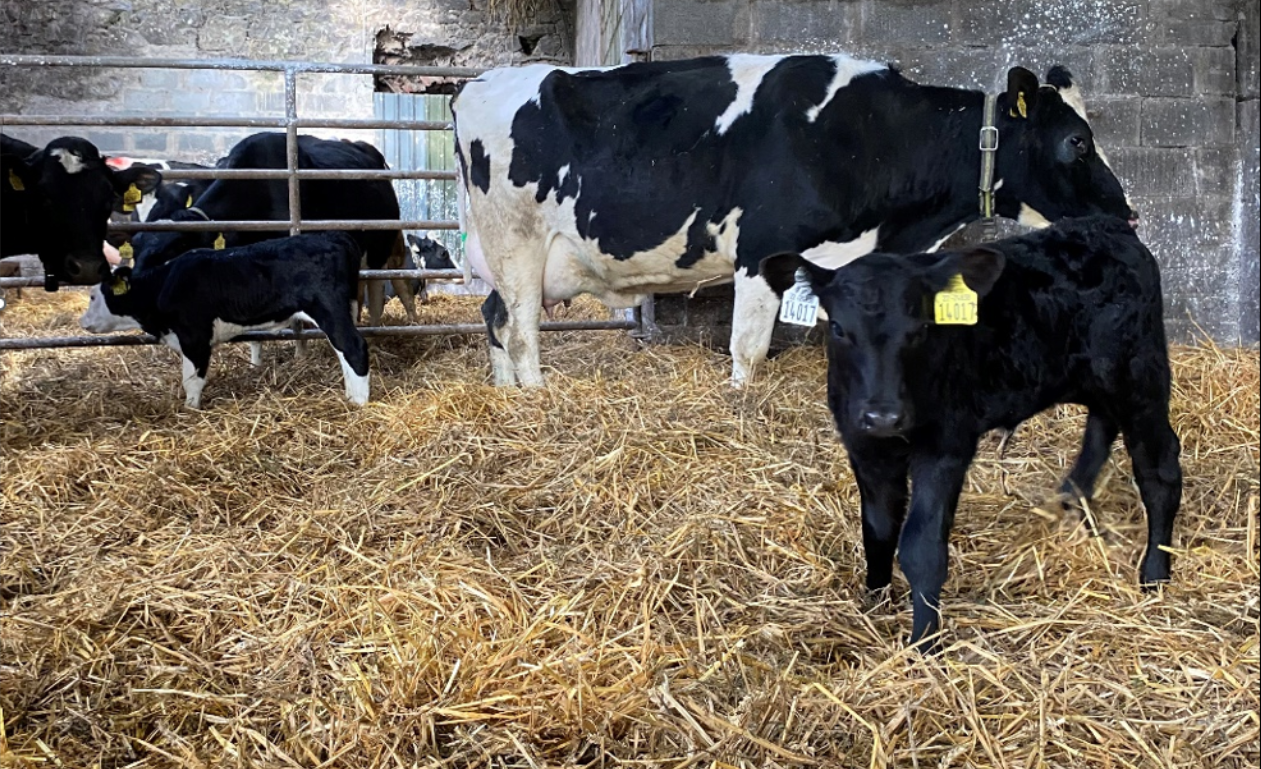
The Department of Agriculture, Food and the Marine (DAFM) has been called on to increase the compensation rates paid to farmers for the removal of BVD calves.
The issue of compensation rates paid for calves that test positive for bovine viral diarrhoea (BVD) was highlighted at a recent meeting hosted by Animal Health Ireland (AHI).
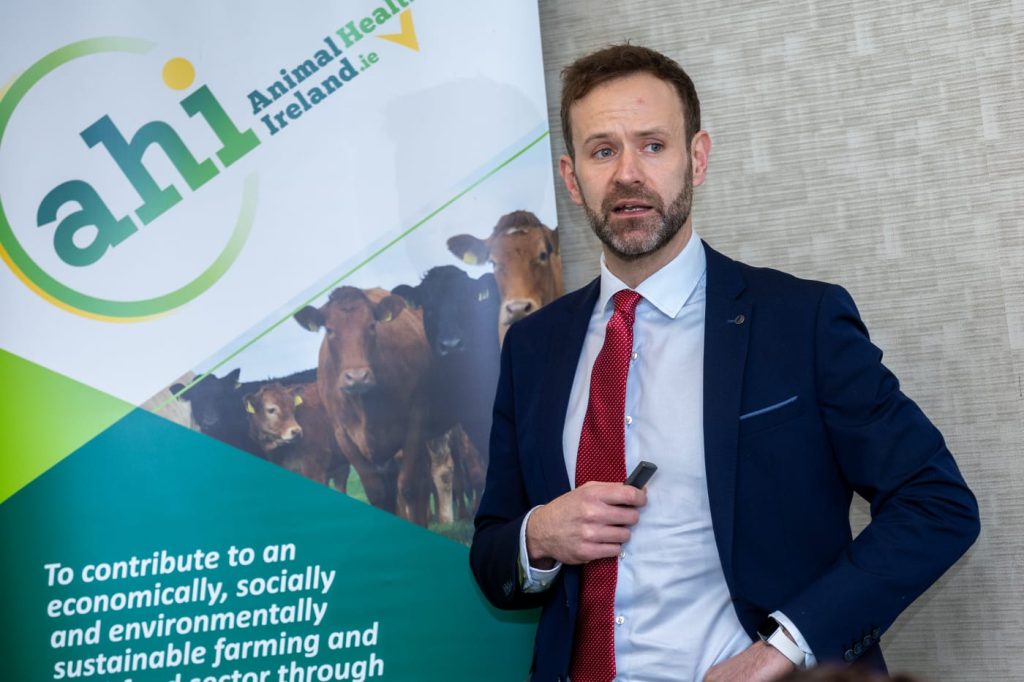
Speaking at the launch of AHI’s BVD Action Plan for 2026, chief executive Patrick Donohoe acknowledged concerns around the existing compensation structure.
He said: “This is something we are acutely aware of.
"We do not have control over this and it rests with the Department of Agriculture, Food and the Marine (DAFM) and Minister Martin Heydon, but we have asked the minister to relook at these compensation rates.
"It is important that they reflect reality because at the moment they don't,” the AHI chief executive said in response to a question from Sinn Féin agriculture spokesperson Martin Kenny, TD.
Under the national BVD programme, farmers receive compensation when BVD positive calves are removed from their herds.
Dairy farmers are paid €160 for each BVD positive dairy calf, while suckler farmers receive €220/calf.
These BVD compensation rates have remained unchanged since 2019 and as farmers will know, the value of calves has increased significantly since then.
This is leading to renewed pressure on the Department of Agriculture to reassess BVD calf payments to "ensure they reflect current market conditions", according to the AHI boss.
2026 BVD action plan
At the same event, AHI outlined its plans to move Ireland closer to "BVD freedom", which is the complete eradication of the disease from Ireland.
While early projections suggested BVD could be eradicated within three years, farmers are now entering their 13th year of tissue tagging.
Despite this, AHI has said that progress under the BVD eradication programme has been "substantial".
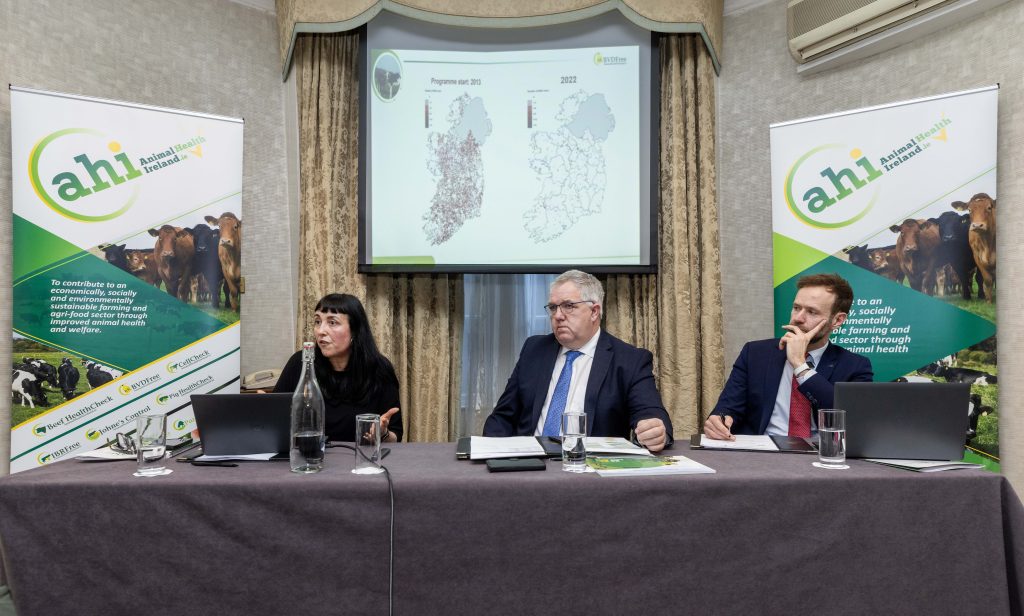
The proportion of breeding herds affected by BVD has fallen from 11% in 2013 to approximately 200 herds nationwide.
To tackle infection in the remaining herds, AHI has introduced a seven point action plan aimed at suppressing BVD and achieving full eradication.
This will see new control measures implemented in BVD positive herds in 2026.
According to analysis carried out by AHI, the BVD eradication programme delivers an estimated €184 million in benefit to the Irish economy through improved herd health, productivity and reduced financial losses.