Biomethane plant connected to gas network for first time in Ireland

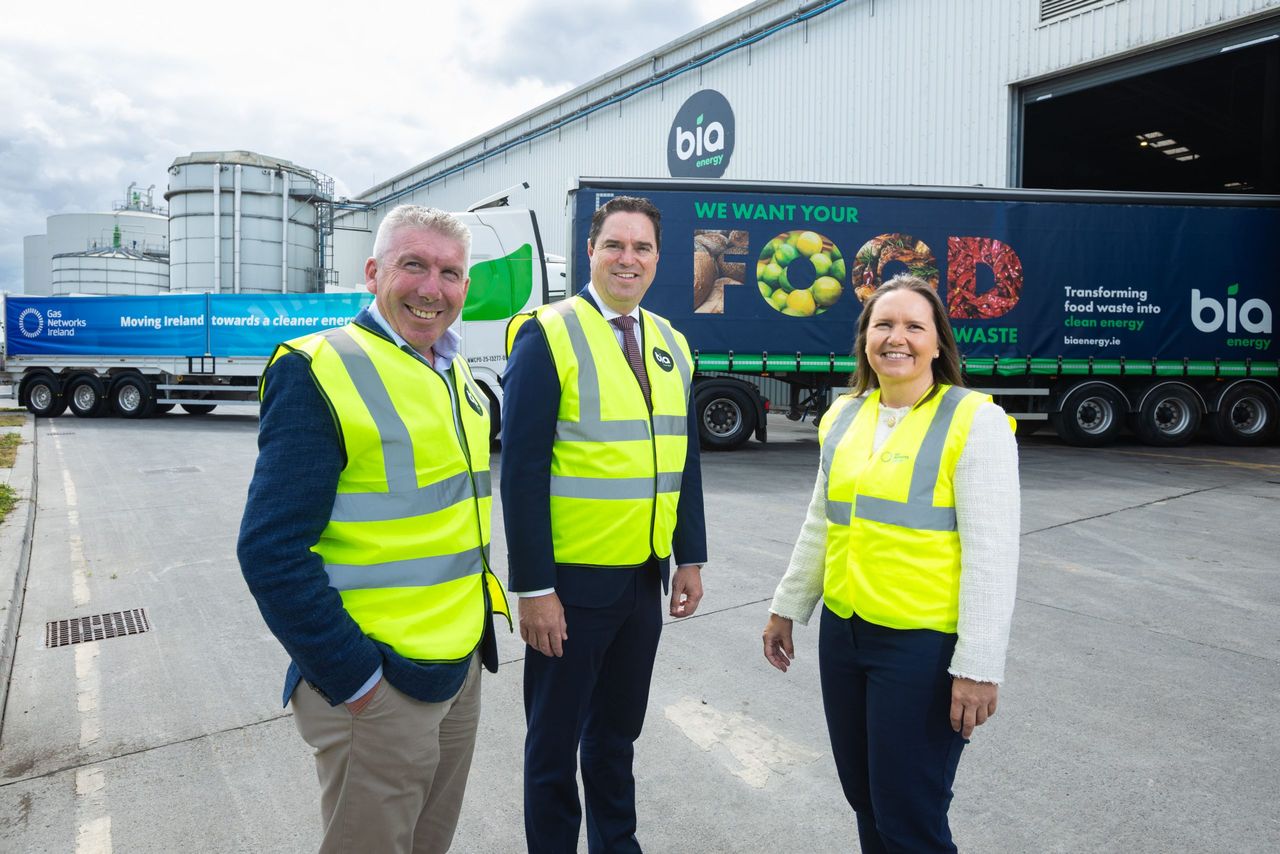
A biomethane plant has been connected to the National Gas Network in Ireland for the first time.
Bia Energy is the first company in the sector to inject biomethane gas directly into the gas network, through its facility in Huntstown in Dublin.
This is the first connection made under Gas Networks Ireland's (GNI's) agreements with seven biomethane producers, including Bia Energy.
GNI and Bia Energy said that the connection marks "a major milestone in Ireland's energy transition".
They said that biomethane gas is "fully compatible" with the existing national gas network and all existing appliances, technologies and vehicles that currently use gas.
Bia Energy is one of seven companies that recently received funding under the government's National Biomethane Strategy Capital Grant.
It received almost €3.9 million from the scheme to assist with its capital costs.
To facilitate Bia Energy’s direct connection to the national gas network, Gas Networks Ireland built an extension to the existing gas network and a new biomethane network entry facility, enabling the biomethane produced at the site in Huntstown to be injected into the gas network.
Bia Energy’s biomethane plant at Huntstown, which is part of the Sretaw group founded by Irish businessman Eamon Waters, is using short-dated and surplus packaged food from the retail and hospitality sectors, as well materials from agriculture and food production, and converting these organic items into renewable biomethane.
Once operating at full capacity, the Huntstown plant is expected to deliver up to 120 gigawatt-hours (GWh) of biomethane annually into the gas network.
Bia Energy confirmed it will also soon expand its biomethane production portfolio to include a facility in Kildare.
Minister for Agriculture, Food and the Marine Martin Heydon was in attendance for the official launch of the connection.
The minister said: "The connection of Bia Energy’s anaerobic digestion facility at Huntstown represents a significant step forward in the development of Ireland's renewable gas sector.
"It demonstrates how agricultural and organic waste can be converted into a valuable renewable energy source, reducing emissions and enhancing energy security.
"The project also delivers benefits for agriculture through the production of digestate, which can be used as an alternative to chemical fertilisers, supporting more sustainable farming practices and a circular economy.
"Last month, the government started issuing €19 million in funding to projects such as Bia Energy’s Huntstown facility that were successful under the 2024 Biomethane Capital Grant Scheme," Minister Heydon said.
Biomethane
Biomethane can be made from farm and food waste through a natural biological process known as anaerobic digestion.
In addition to producing renewable gas, the process also creates a biofertiliser called digestate which can be used to replace chemical fertilisers and recycle nutrients back into the food production system.
According to Bia Energy CEO Brendan Traynor, the company's Huntstown facility will "help replace 3,000t of chemical fertiliser every year".