Are your weanlings reaching their full potential this winter?

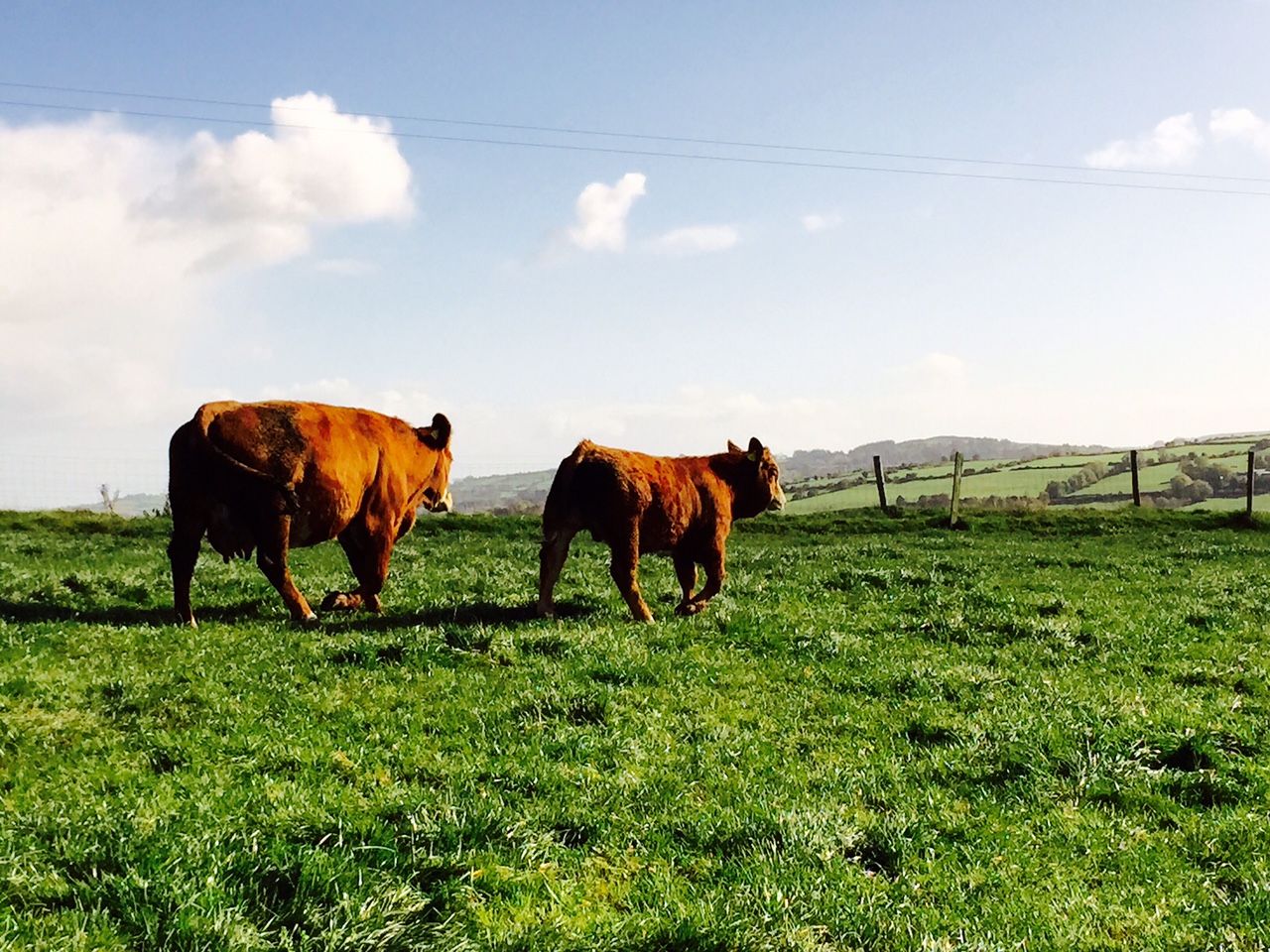
Weanlings housed over the winter period often under perform, with various factors being attributed to this issue according to Teagasc cattle specialist, Martina Harrington.
Stocking rate, ventilation and the animal's health status will all affect the animal's thrive while housed.
However, the winter feeding programme of these weanlings probably has the biggest influence on the animals performance, according to the specialist.
One of the main reasons weanlings underperform is that poor quality silage is not being adequately supplemented by concentrates.
Below is a table outlining weanling performance on different quality silage:
| Silage DMD | Daily gain (kg) - silage only | Meal required/day to gain 0.58kg/hd/day |
|---|---|---|
| 75% | 0.5kg | 0 |
| 70% | 0.35kg | 1.5kg |
| 65% | 0.2kg | 2.5kg |
| 60% | 0 | 3.5kg |
| Source: Teagasc |
Getting your silage tested is an important job all farmers should undertake prior to housing in order to avoid under- or over-feeding their animals during housing.
Getting your silage tested will aid you in achieving a target of 0.5kg/head/day by correctly supplementing your beef animals' diet.
Silage testing
On your silage analysis, you will be provided with information on energy content and its Dry Matter Digestibility (DMD).
Even with silage quality of 70DMD, there is still scope to bolster your weanlings' daily live-weight gains.
Knowing what is in your silage will aid you in concentrate use according to the Teagasc specialist.
In a high DMD, low-protein silage, a high-protein meal should be fed at a low level.
While silage of low DMD and high protein will require more meal that is lower in protein content.
Due to the drought, much of the silage that was made was of poor quality, thus pushing the need for a supplementary meal.
This, paired with rising concentrate costs this winter, leaves housing cattle in a precarious decision.
The cattle specialist urged beef farmers to test their silage to get their weanlings' winter nutrition right.