Is your farm prepared for frost as the first cold snap hits?

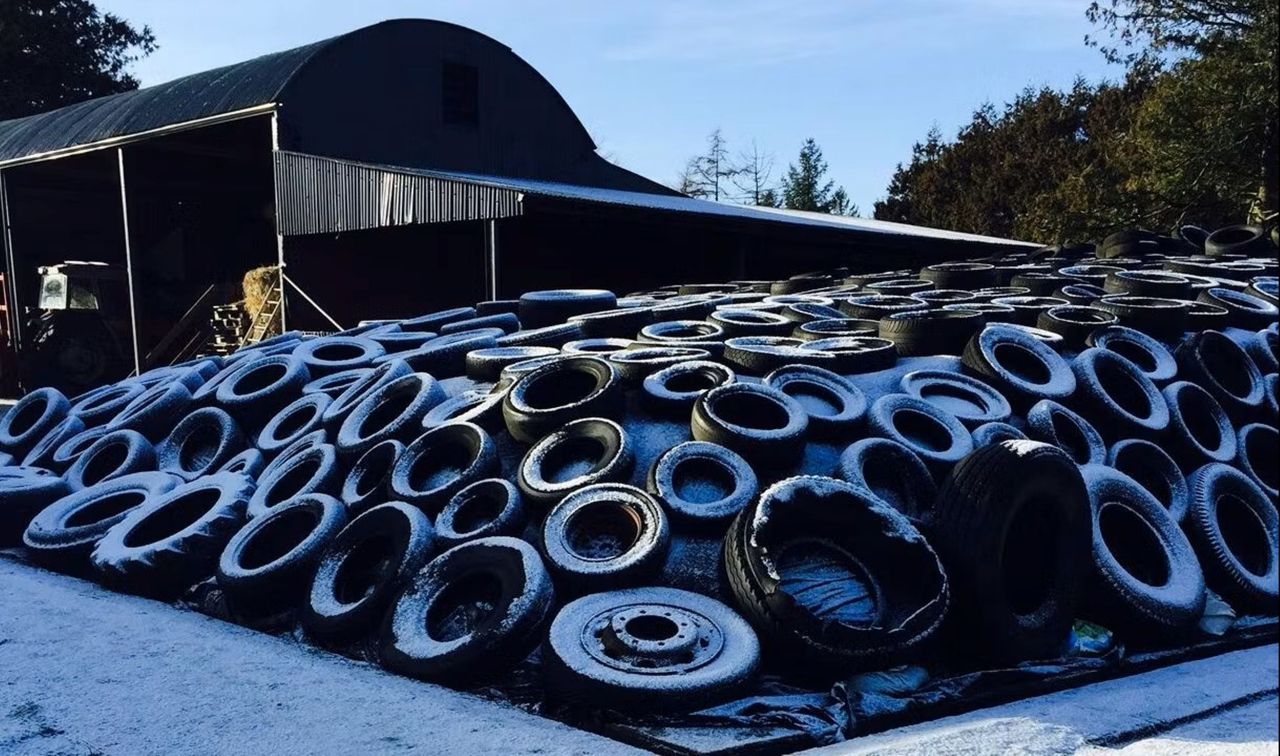
It has become significantly colder this week, with temperatures falling as low as -3°C in some areas on Thursday night, November 13.
The first cold and frosty morning of the season always seems to come from nowhere, but it is a good prompt for farmers to give more thought to protecting the milking parlour from frosty weather.
The cold weather can make jobs harder on the farm, whether opening a bale of silage, thawing water pipes and troughs, or most importantly, making sure the parlour does not freeze overnight.
Milking parlour
Preparing the milking parlour for cold weather is generally second nature for farmers at this time of the year, especially those who undertake winter milk production.
However, there is no harm in reminding yourself of best practices to ensure there are no delays or extra hardship during milking.
Nobody wants to stand in the parlour for longer than necessary when there is a sting in the air.
First and foremost, farmers should make sure that all the doors of the parlour are kept closed, with the pump insulated during the night.
Neither fuel nor electricity is cheap, but running a space heater in the parlour should be considered during 'hard frosts'.
When washing out the parlour, ensure that all water is drained from the low points, and any excess water is removed from the plant.
Remove all clusters from the jetters, allowing them to hang down until all water has drained.
Farmers who have diaphragm milk pumps in their parlours often have problems when temperatures reach freezing levels.
For these farmers, it is best to open the locking nuts to allow any excess water to escape.
Some farmers also place an infra-red light on the pump to prevent it freezing.
Installing thermostat-controlled heaters in the plant room, which kick in when temperatures fall below 10℃, is another option if you are in an area prone to hard frosts.
However, these are not very common in Ireland because the high initial cost outweighs the few hard freezes we actually get.
Instead, a lot of farmers use salt solutions during the winter months.
The solution is circulated through the parlour once the final rinse has run through and removed all traces of detergent.
The solution can be run through the plant at a rate of 1kg per 20L, followed by a rinse before the next milking, to get rid of any salt residues.
Freezing temperatures
Hard freezes can bring other problems as well, such as water pipes and troughs freezing up, restricting animals from drinking the required amount of water,.
This is particular true for dairy cows who are on high concentrate diets.
Farmers that have their own private wells often also fail to prepare for frost.
The submersible pump itself should not freeze when deep in the ground, however, the pipes and fittings running from the pump to the sheds can still freeze, which can create problems.
Where pipes are exposed and prone to freezing, some farmers leave the tap running at a trickle to keep water flowing and prevent freezing.
If your pipes do freeze this winter, watch out for water intoxication when the water returns, as the cows may 'overdrink' and suffer overhydration.
Check machinery that had issues over the busy summer season, as the antifreeze may have been replaced with water.
Draining the water and adding antifreeze should be done now.
Although it is not advisable, tractors can be parked in livestock sheds where temperatures are higher, as long as the dead switch is off.
Medicines and chemical sprays should also be insulated; if they fall below 5°C, they may suffer damaged.