Watch: Weanling export impasse highlighted by suckler farmer

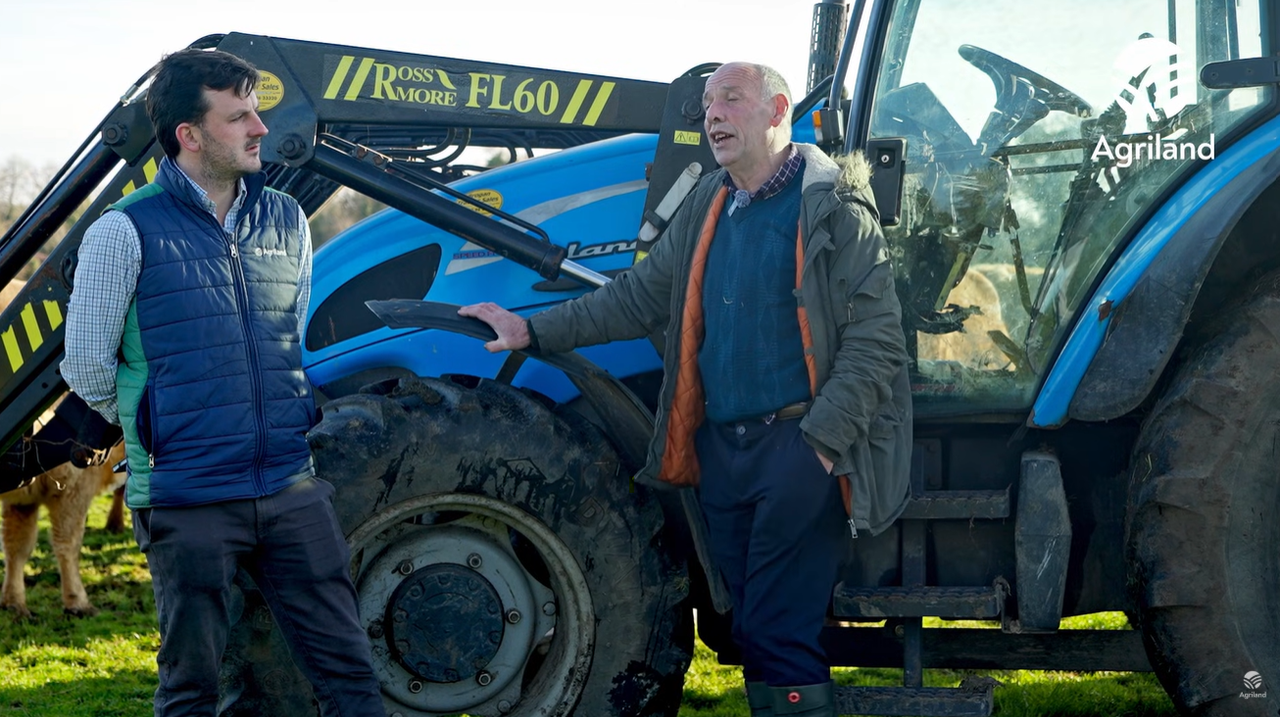
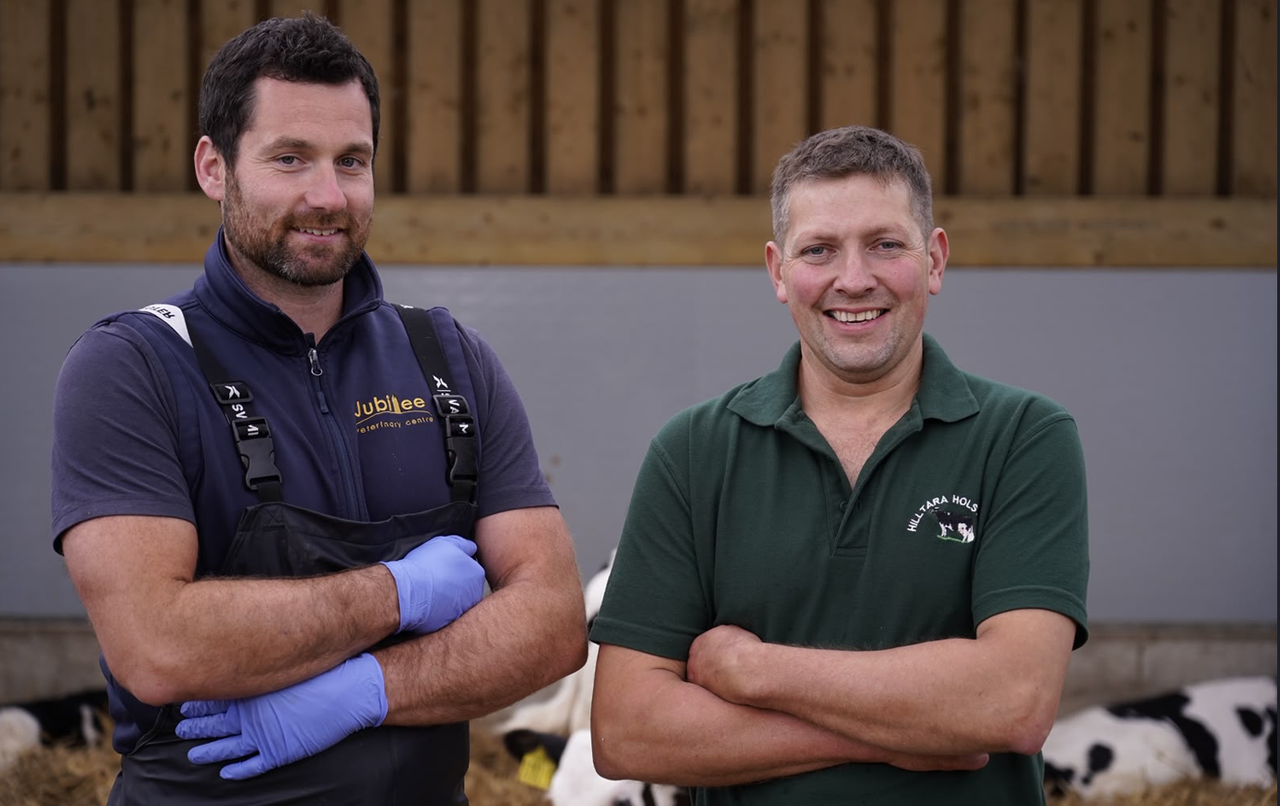
The impact of the export impasse in the current weanling trade in Ireland has been highlighted by Co. Westmeath beef farmer, Sean McNamara.
Speaking to Agriland in a special recording for a new series of the BeefBrief podcast, McNamara, the former Irish Cattle and Sheep Farmers' Association (ICSA) president, shares his insights on the significant drop in export buyer activity at Irish weanling sales in recent weeks.
The McNamaras', who farm in Co. Westmeath, are also involved in the purchasing of weanlings for some export markets.
On Tuesday, October 27, Agriland confirmed that Irish weanling exporters had been informed that Algeria had closed its market for cattle imports.
Virus
This was due to the suspected emergence of a new serotype of the foot-and-mouth disease virus, which has since been confirmed by the World Organisation For Animal Health (WOAH).
Since then, the level of buying activity at Irish weanling sales from key exporters has significantly fallen, resulting in local prices taking a substantial hit.
McNamara, who resigned from the role as ICSA president in September, said the Algerian market had been the core export market for Irish weanlings this autumn.
"It was the only really good [export] market that was there for Irish weanlings," this autumn, he said.
Commenting on weanling prices in other key European weanling exporting markets, McNamara said the weanling price in France stood at €4/kg.
He added that weanling prices in Italy, a country that traditionally imported Irish weanlings, "is way down from where it was this time last year".
"It could be down €2/kg, and Spain is the same," he said.
McNamara explained that: "The North African market was the only market that was going to give a return."
According to him, Irish weanling exporters "are buying very little [at the] minute; they're waiting to see what's going to happen".
"As far as I can see, there's a lot of weanling exporters with a lot of weanlings on hand, and they can't get them out of the country.
"It's causing serious financial bother for exporters, [and] it's also causing serious bother for farmers selling weanlings," he added.
"I've seen weanling [prices] in the last four weeks back at €300/head, at least for export weanlings, which is going to have a serious influence on farmers financially."
Alternative markets
McNamara said exporters were actively searching for alternative markets for these weanlings.
"There's no guarantee of anything yet," he said, but noted that other North African countries could offer a potential alternative outlet.
He added that potential weanling buyers were expected to view the avaliable weanlings over the coming week.
Outlook
McNamara said that he was "pessimistic enough" about the outlook for weanling exports.
"The price isn't there that we need; there's not enough of a margin for the exports.
According to figures from Teagasc, it costs at least €1,500/year to feed a suckler cow, and many weanlings are being sold for a lot less, he said.
Agriland asked McNamara if he expected calf export numbers to continue at levels over 200,000/head as seen this year.
He said that he believed Irish calf export numbers would "definitely not" continue at similar levels in 2027.
"We have a lot of things going on at the moment with the activists and all that trying to stop it.
"I think the first thing that happened to exports was the Brittany Ferries being stopped.
"That was a serious issue, and I think that's what started the whole [thing]," McNamara said.
Export opportunities
On a more positive note for the reputation and demand of Irish weanling bulls in key export markets, McNamara said: "Ireland produces a niche product within the weanlings and there's opportunity there".
"I was told out in Italy that the Irish weanling can gain 1.68kg/day whereas the weanlings from France or any other country, the most they can gain is 1.42kg/day.
"So we're way ahead on weight gain, and the Italians see that, and they want the good Limousin weanlings."
He acknowledged that Irish suckler farmers were producing a good product and that the challenge lay in finding a means of getting it to the market at a price that is competitive "and also, at a price that farmers will make a viable living".