Getting to grips with the challenge of Clubroot

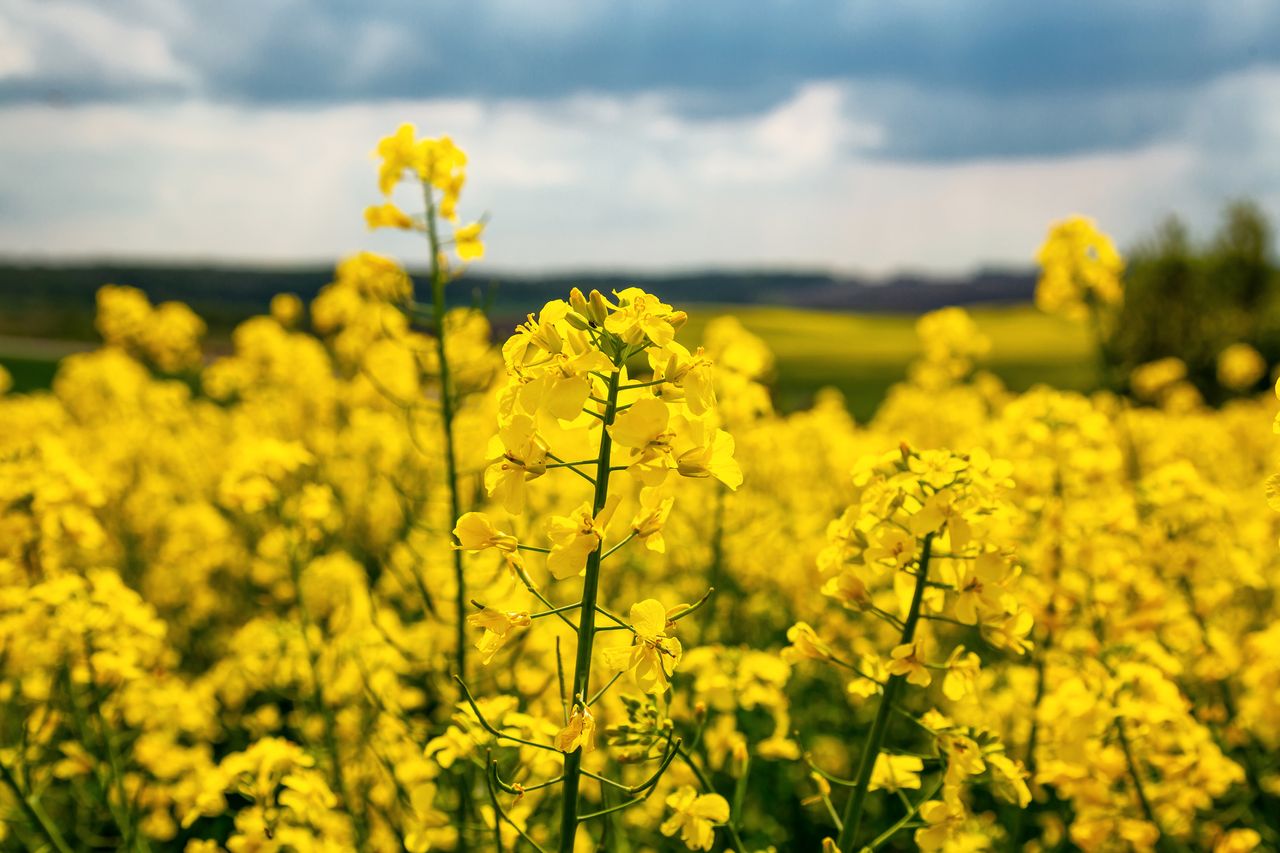
Clubroot is becoming an increasingly worrying challenge for brassica growers in Ireland, with anecdotal evidence suggesting the problem is on the rise.
The condition is caused by a soil borne pathogen, which affects all brassica crops, both oilseed rape and vegetable species.
Infection occurs when chemicals from growing brassica roots effectively wake up dormant clubroot spores in the soil, which swim through wet soil to reach the delicate root hairs.
Once attached, they penetrate the cell wall and form a swollen structure in the roots from which the next generation of spores are generated.
The visible galls, typical of clubroot are caused by the pathogen’s ability to change the plant’s hormone levels, forcing root cells to divide in an unorganised fashion into a tumour or gall.
The characteristic galls rot later in the season, releasing new spores into the soil. Not surprisingly, the infected roots become functionally impaired, resulting in poor growth and commonly plant death.
Clubroot is a global problem with worldwide losses from clubroot estimated at 10–15% of Brassica production.
Clubroot is particularly difficult to control because its resting spores can lie dormant for more than 20 years, waiting for a brassica crop to be grown.
This, coupled with reports of increased incidence in Ireland in recent years, underlines the need for a robust integrated pest management (IPM) approach.
The critical first IPM step is surveillance of the pathogen. Clubroot strains are genetically diverse, and we know strains differ in their ability to infect particular hosts.
Understanding the strain composition of local populations is therefore essential for breeding durable resistance and to inform future management practices that reduce spore load in the soil and mitigate new introductions.
In Ireland, it is thought that the spread of Clubroot has been facilitated by a number of factors.
These include the inclusion of brassica species in cover crop mixes and the growth in the area dedicated to oilseed rape background.
In response to the recent increase in clubroot incidence, the Department of Agriculture, Food and the Marine (DAFM) funded SAFE project, a collaboration between NUI Maynooth and Teagasc, was established with several objectives.
These include the surveillance of clubroot in soils and identification of the diversity of strains across the country and Identification of high-risk pathways for clubroot spore transfer.
Using these results, the team will design practical management strategies to reduce clubroot risk, including early-detection measures and guidance on variety choice and agronomic practices.
Teagasc is also calling on all tillage farmers and horticultural producers to notify them of Clubroot instances that have been noted within their businesses over recent years.