Are there signs of optimism for the Irish lamb trade in 2026?

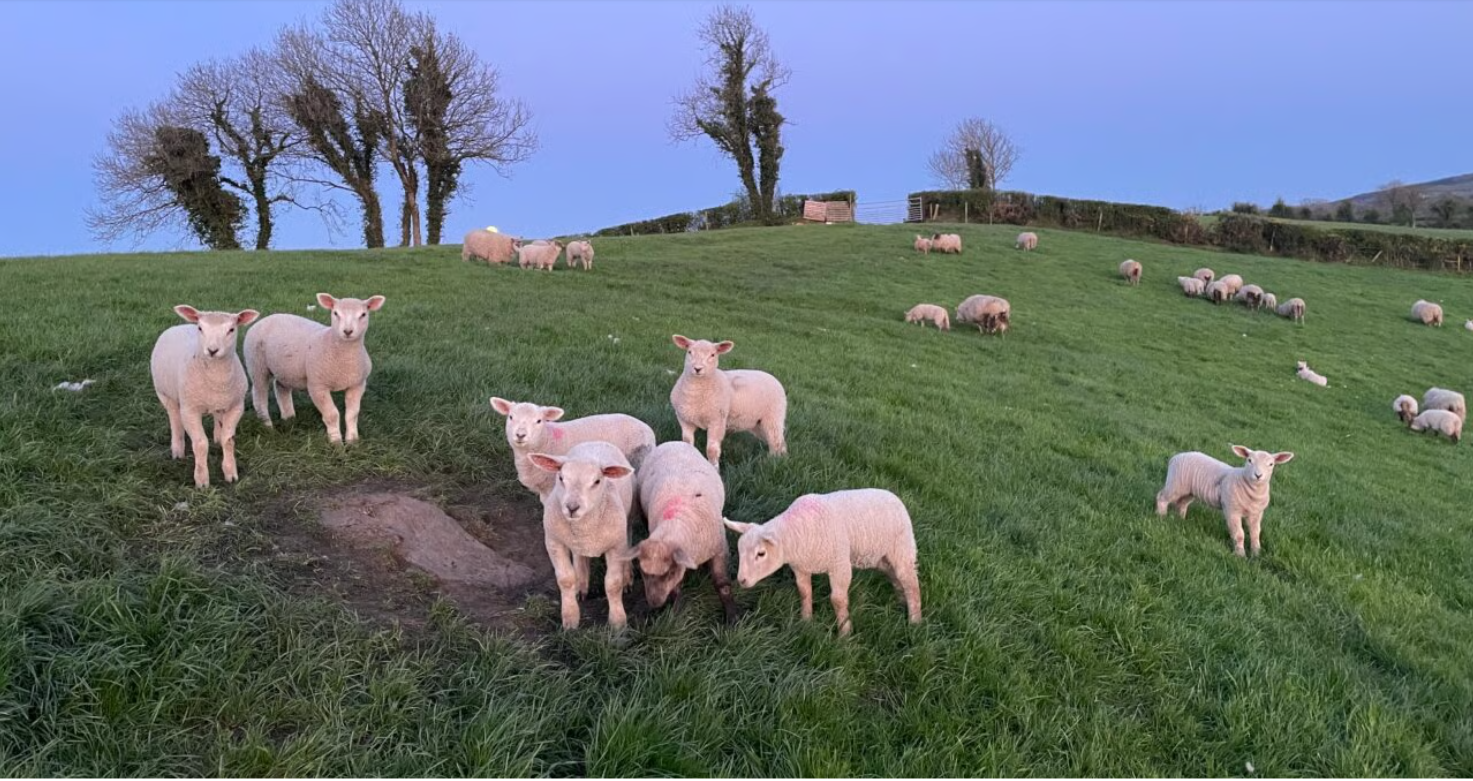
With the spring 2026 lambing season fast approaching, sheep farmers will be wondering what the outlook for the lamb trade is heading into the new year.
Agriland caught up with sheepmeat and livestock sector manager at Bord Bia, Seamus McMenamin, who set the scene for the Irish lamb trade for 2026.
2025 sheep and lamb trade review
One of the biggest talking points in the sector this year has been the reduction in Irish sheep kill numbers this year.
Figures from the Department of Agriculture, Food and the Marine (DAFM) show that as of December 14, the Irish sheep kill has fallen by 437,500 head or 18% to just under 2 million head.
McMenamin explained that a combination of reduced domestic lamb production, a contraction in the breeding flock, and lower levels of sheep being imported from Northern Ireland for direct slaughter impacted Irish sheepmeat production in 2025.
He said: "This lower level of throughput has then been reflected in the availability of Irish sheepmeat for export.
""Reduced production has also been evident across all European sheep-producing regions with declining breeding flocks, disease issues, and producers exiting the sector all contributing to this trend."
The EU market - more specifically France, Belgium, Germany, Italy, and the Nordics - accounted for 80% of Irish sheepmeat exports in 2025, the Bord Bia sector manager noted.
McMenamin said: "The levels of trade with Northern Ireland and Great Britain declined in 2025, particularly for the latter.
"Higher levels of southern hemisphere imports on the UK market and a growing export focus, on Europe in particular, by the UK sheep industry has impacted opportunities for Irish sheepmeat in our major export market."
2026 sheepmeat and lamb trade outlook
The Bord Bia sector manager said that the outlook for the Irish sheepmeat sector is relatively stable for 2026 with domestic and export demand broadly in line with subdued production levels.
"There is potential for a larger carryover of lambs for processing in early 2026, coinciding with the key religious festivals (Eid al-Fitr and Easter) which take place in late March and early April," McMenamin explained.
"Production is expected to continue to decline in Europe and also globally.
"While tighter supplies support higher farmgate prices, they also create challenges in securing market returns for Irish lamb, particularly given competition from both UK and southern hemisphere products."