Agricultural discharge the 'source of pollution' at Louth river - IFI

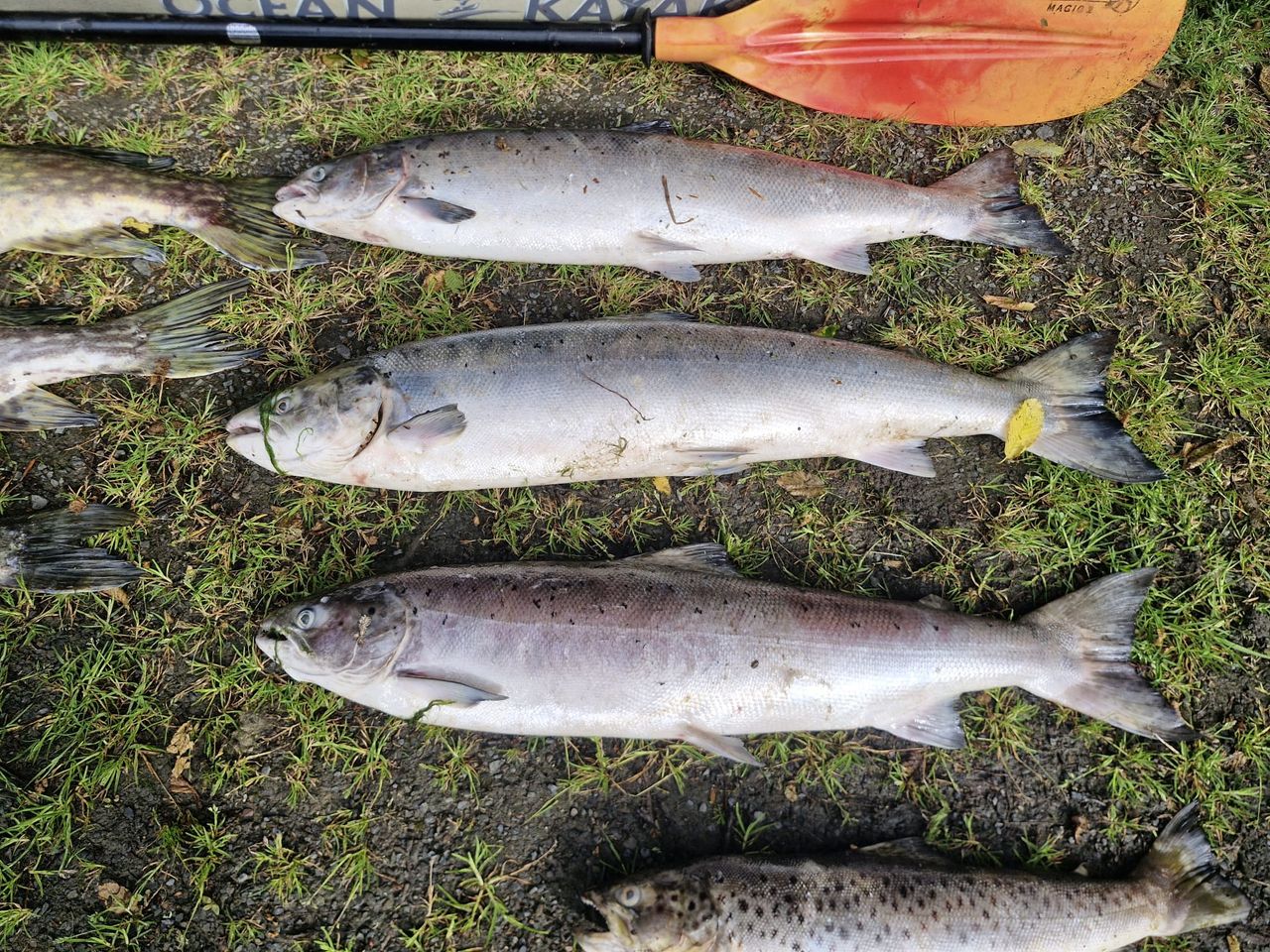
Inland Fisheries Ireland (IFI) has said it is continuing to investigate a serious fish kill on the River Glyde in Co. Louth.
IFI estimates that more than 20,000 fish have died in the incident over an approximate 25km stretch of the river.
The impacted area spans from Aclint Bridge, Co. Monaghan to Lynns Weir, Castlebellingham, Co. Louth.
IFI officers have been conducting sampling and clean-up operations on the river, and deploying kayak, drone and foot patrols to assess the affected area.
Fish mortalities include Atlantic salmon, eel, brown trout, pike, minnow, and coarse fish species.
Agricultural discharge
The source of the pollution has been identified as an agricultural discharge, and has been stopped.
Water samples taken at the river have been sent for laboratory analysis, IFI said.
A file is now being prepared for potential prosecution.
IFI is reminding members of the public to exercise caution when working near waterbodies at this time of the year.
Incident is clearing
Separately, Louth County Council has added it has been monitoring oxygen levels in the River Glyde in Co. Louth and is satisfied the incident is clearing, with levels returning to normal.
The council has liaised with Uisce Éireann, which has confirmed that there are no issues affecting water for public abstraction.
The Tallanstown water treatment plant was decommissioned over a year ago and there are no other public abstraction points in the area.
The River Glyde discharges into Dundalk Bay at Annagassan.
To date, no impacts on coastal waters or bathing water sites have been reported.
Louth County Council continues to carry out weekly monitoring in line with its obligations under the Bathing Water Regulations.