AHDB: UK crop conditions hit by dry start to May

The Agricultural and Horticultural Development board (AHDB) UK crop update for May reflects the changing weather conditions during the month.
May stayed cooler than the long-term average across all regions until the third week.
Rainfall was similarly subdued for the first half of the month, before a shift to much wetter conditions in week three, when every region saw above-average totals ranging from 30mm to over 80mm.
Even with this late surge in rainfall, some areas, especially those with lighter soils, remain moisture limited.
Moisture levels
Overall, crops are growing well, with late May rainfall aiding recovery after the earlier dry weather, although more will be needed to sustain crops through to harvest.
Where sufficient rainfall occurred, crops have recovered, but some still lack biomass and tiller development.
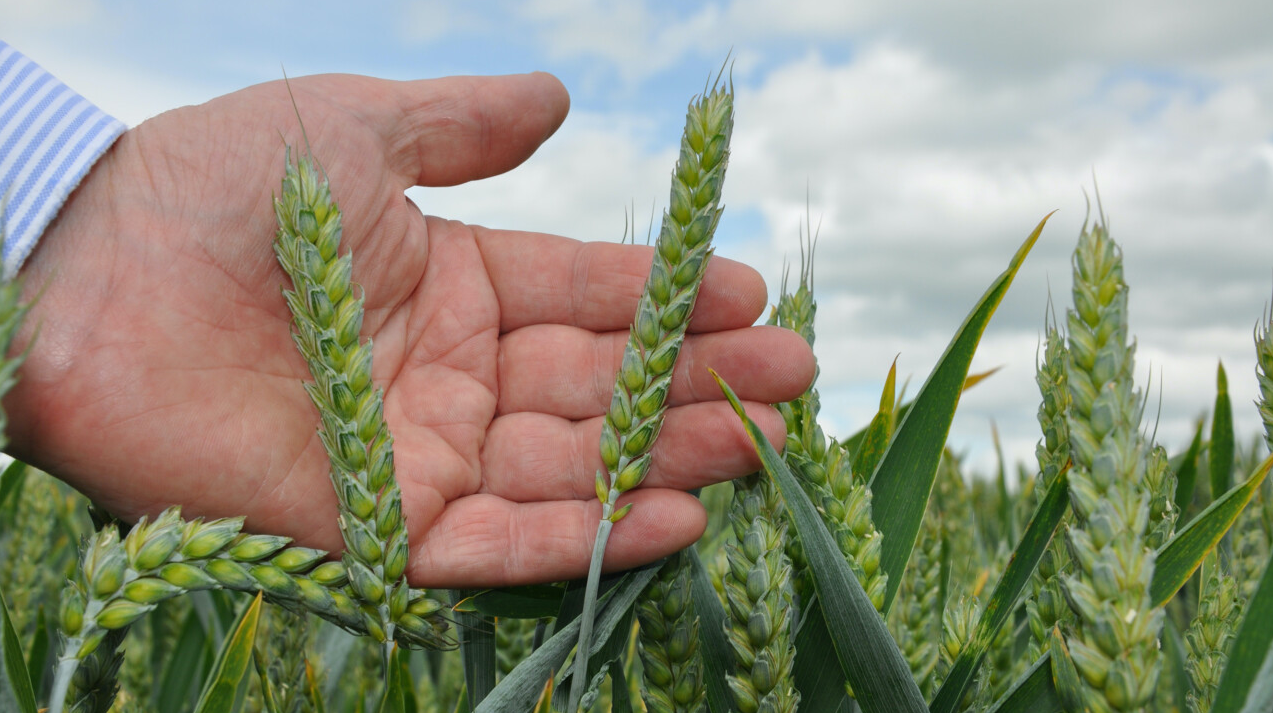
Recent high temperatures (30°C+) have increased crop stress, with visible leaf rolling in wheat crops, indicating benefits from recent rainfall may be short-lived.
Moisture availability is expected to be the main limiting factor across most of the UK going forward. Rainfall in the next 2-3 weeks will be critical in determining crop yields.
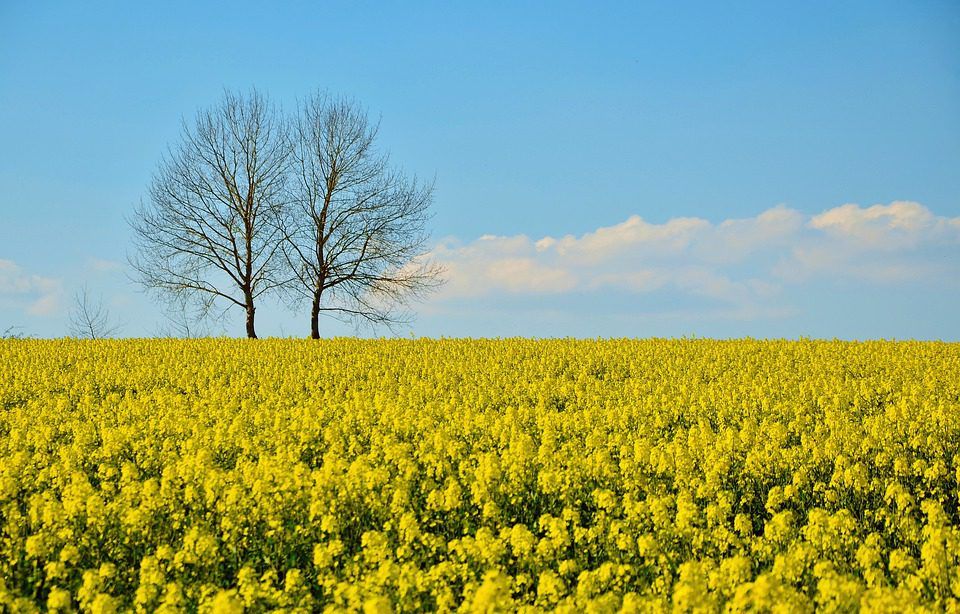
Oilseed rape (OSR) has generally fared better than winter cereal crops, and within the cereals, winter oats seem to be holding up better than wheat and barley.
The weather negatively impacted early spring crop development. Crops in England are generally worse affected than those in the other nations of the UK.
Disease and pests
Disease levels are generally low, but yellow rust remains a concern, particularly where spray timings were missed or applications didn’t achieve sufficient control. Septoria risk is declining due to the dry weather.
Aphids are emerging as a key concern in several regions, with the potential to move into ears.
Barley Yellow Dwarf Virus (BYDV) is present, but it is generally at low to moderate levels so far.
Fungicide programmes have generally been maintained based on crop risk rather than cost pressures, although the prolonged dry spell has reduced septoria pressure, enabling reductions in some T2 applications.
Where growers are reducing inputs, this is being driven more by crop potential than by fuel or input costs.
Meanwhile, some growers are avoiding insecticides due to environmental scheme requirements.
Global markets
Meanwhile, global grain prices fell over recent days amid improved weather forecasts, harvest pressure, and lower crude oil prices.
Forecasted rain would benefit newly planted maize crops in the US, and offer relief after hot, dry weather in western Europe.
Traders also re-positioned as harvesting of the 2026/2027 crops in the northern hemisphere gets underway.