Adding 'new value' to Irish straw

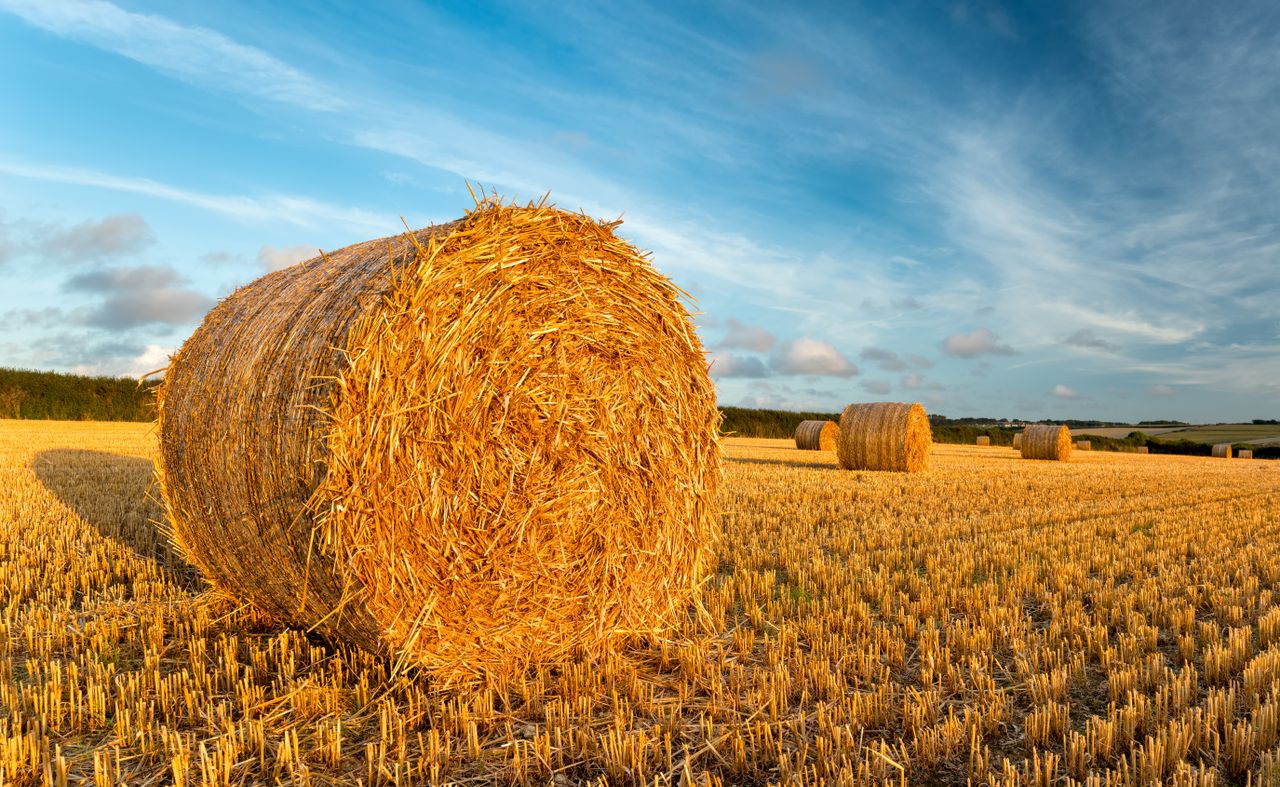
It makes total economic sense to look at new and innovative ways of adding value to Irish straw in a meaningful context.
By doing so, it helps to further debunk the perception that straw is nothing more than a by-product of the grain sector.
Recent years have seen straw play a key role in delivering improved margins for tillage farmers.
At a fundamental level, the Straw Incorporation Measure has served to put a floor in the market for the product of around €120/ac.
And adding to this is the ever-growing demand for straw from dairy and other livestock as a valuable feed source and bedding material.

However, the more uses that a product can be put to, the more valuable it becomes.
Hence the significance of ongoing Teagasc research aimed at utilising straw as a packaging material.
The chemistry of straw
Straw may appear simple, but chemically, it contains two valuable natural biopolymers: cellulose and lignin, Teagasc pointed out.
Cellulose is the same building block found in trees and cotton that gives plants their strength.
Lignin provides structural strength, rigidity and natural protection against ultra-violet light and microbes.
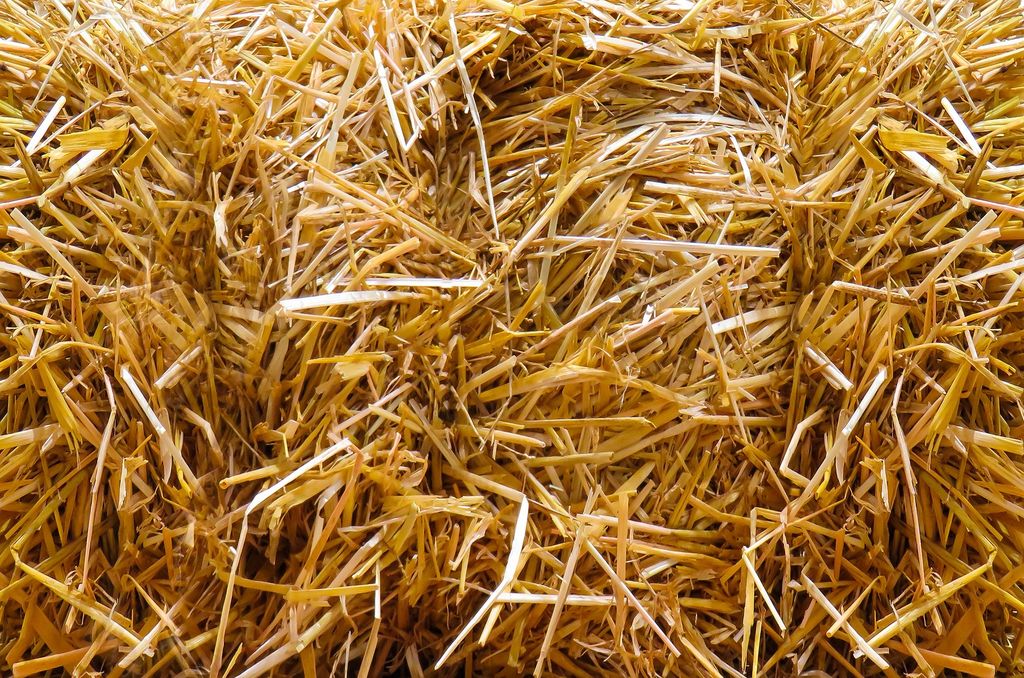
Teagasc senior research officer, Shivani Pathania, has been examining how cellulose and lignin can best serve packaging applications.
She confirmed that these components, when extracted and engineered correctly, can be transformed into films designed specifically for protecting fresh produce, all highly desirable traits for food packaging.
Pathania added: “Working with wheat and oat straw has shown me how something ordinary can become extraordinary through the right scientific lens."
A material often treated as waste can help address one of the most pressing environmental challenges of our time, she said.
“Instead of relying on imported bioplastics, Ireland could use its own agricultural by-products to create packaging solutions that are both sustainable and economically viable."
Plastic packaging has become deeply embedded in the fresh produce supply chain.
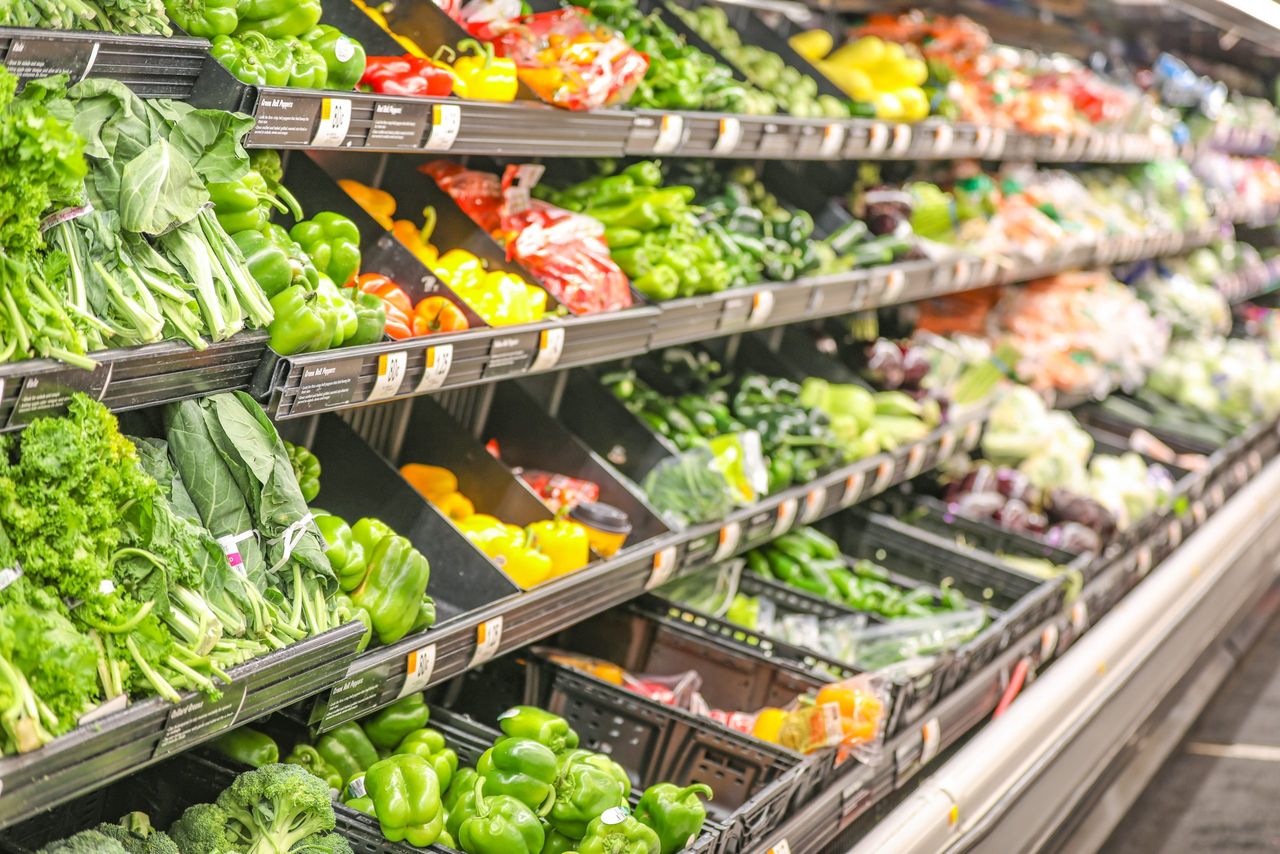
From berries to leafy greens, almost every fruit or vegetable we buy spends part of its life wrapped in single-use plastic.
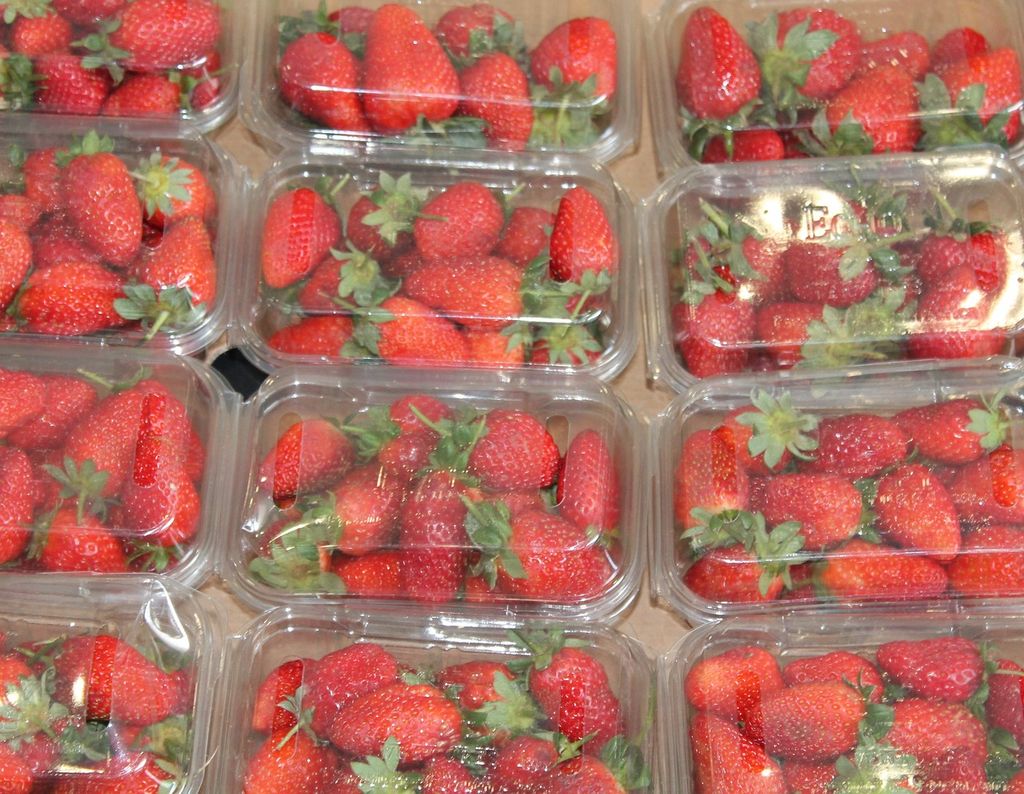
While this packaging protects against spoilage, it also contributes to Europe’s mounting plastic waste problem.
According to 2025 data from Eurostat, the EU generated 79.7Mt of packaging waste in 2023, equivalent to 177.8kg per person.
On average, each EU resident generated 35.3kg of plastic packaging waste, yet only 14.8kg was recycled.
Paper and cardboard made up the largest share of all packaging waste at 40%, followed by plastics (19.8%) and glass (18.8%).
The Teagasc research scientist continued: “These figures underscore the urgent need for sustainable alternatives especially in sectors like fresh produce, where packaging use is high and recycling rates remain low.
“Fresh produce is particularly challenging: it requires flexible materials with controlled moisture, oxygen management, and physical strength to prevent bruising.
“Compostable alternatives exist, but many struggle with moisture sensitivity or poor mechanical properties. This is where straw-based packaging may offer a breakthrough.”
In the laboratory, the journey of wheat and oat straw takes on a new purpose.
What starts as leftover stalks from tillage farms becomes the raw material for making new, sustainable packaging.
Pathania explained: “Instead of using strong chemicals and large amounts of water, we now use cleaner, low-impact methods to separate two useful parts of the straw: cellulose and lignin."
Cellulose is then turned into nanocellulose, a very fine and very strong material.
"When this is added to biodegradable plastics like PLA or PCL, it makes packaging film stronger - improving oxygen and moisture barriers, helping fresh produce stay fresh for longer," she said.
Lignin, the other major part of straw, also brings valuable benefits. It naturally blocks UV light, slows down spoilage, and helps protect fruits like strawberries, raspberries and cherries from damage.
Compostable packaging
However, when cellulose and lignin are combined, they create compostable packaging that is strong, protective and suitable for fresh food.
Early tests show that straw-based materials can perform better than many compostable films already on the market.
They keep oxygen and moisture at the right levels and help fruits and vegetables stay fresh during storage and transport. These films can be used for everything from leafy greens to tomatoes.
This work also fits perfectly with Ireland’s sustainability goals.
Pathania said “Straw is produced in huge amounts across the country, and most of it has little value.
"Turning even a small portion into packaging could create a local, circular system, reducing the need for imported materials and giving farmers a new source of income.
“It also helps Ireland grow its bioeconomy and reduce plastic waste.”