Thomas Duffy: Slaughtering in-calf cows - a lasting pain that will never leave
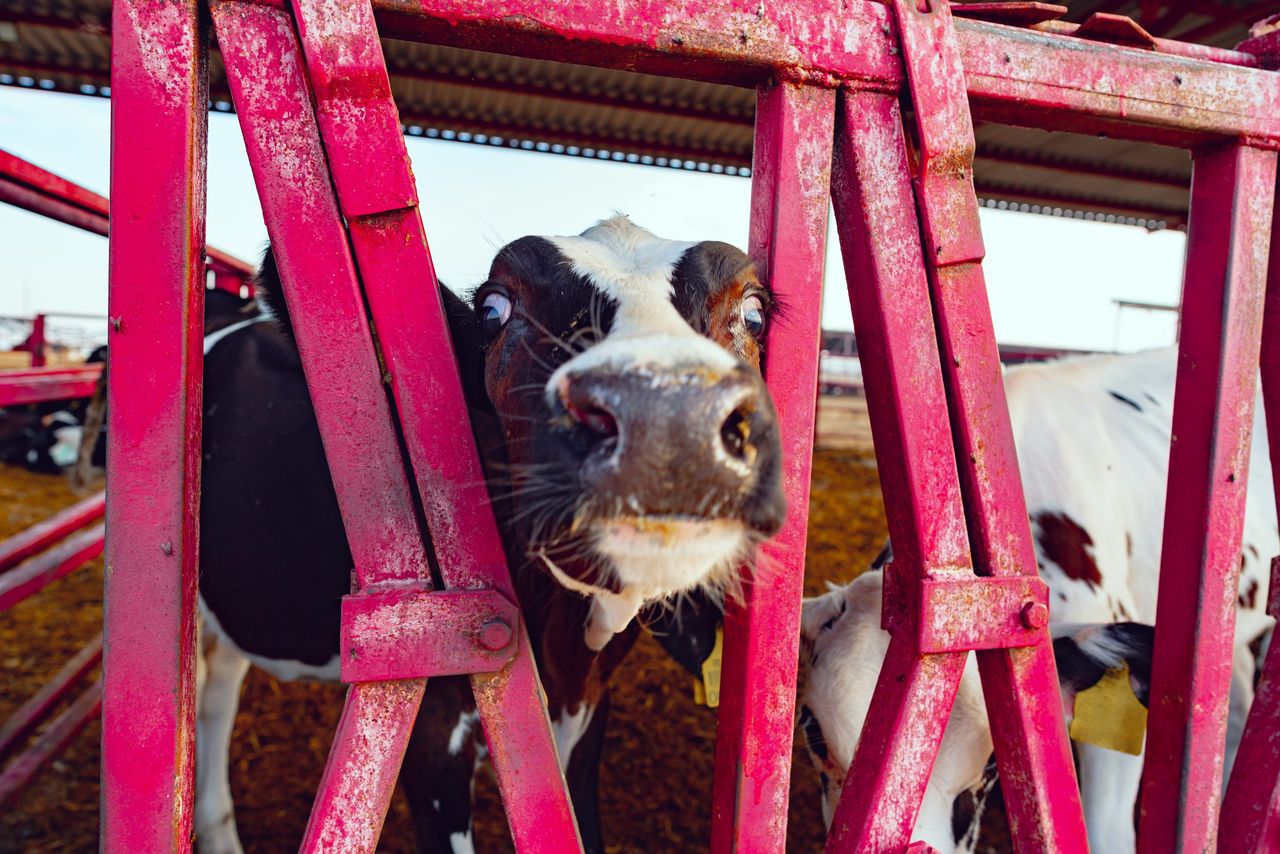
How can you ever forget loading otherwise healthy, in-calf cows onto a lorry bound for slaughter?
As a farmer, it is a heartbreak that stays with you long after the lorry has disappeared down the road.
For the near 60 years my father has farmed, the annual TB test has been a formality.
Protected we thought by never buying in and operating a closed herd. Something never taken lightly but more nuisance than feared.
That ended in March this year.
We were informed in the spring that our area’s rising level of TB had resulted in us moving to six monthly test. This meant that a Department of Agriculture, Food and the Marine (DAFM) appointed vet would be on-farm to test despite going clear the previous September.
At this stage we’d been informed that another farm nearby had received a positive test but not sharing a direct boundary we assumed this wouldn’t impact us.
How wrong we were.
TB
It started with six inconclusives identified on that skin test, a follow up blood test confirmed TB in all six.
Four were removed straight away but we were expected to hold on to the two incalf cows until they calved, something I wish I’d pushed back against.
Of these original six, four had confirmed lesions including two with advanced lesions. Since then between blood testing and in-contact reactors our herd has now lost 39 cows and 2 yearling heifers to this disease.
Some of these stung far worse than others. My breeding is not what you would encounter in a show ring but instead a vision of my own.
Producing small high milk solid cows with high health is my north star.
To that end my favourite bloodlines are the descendents of Montbéliarde Holstein crosses mixed with Jersey for higher percentages and Norwegian Reds for health.
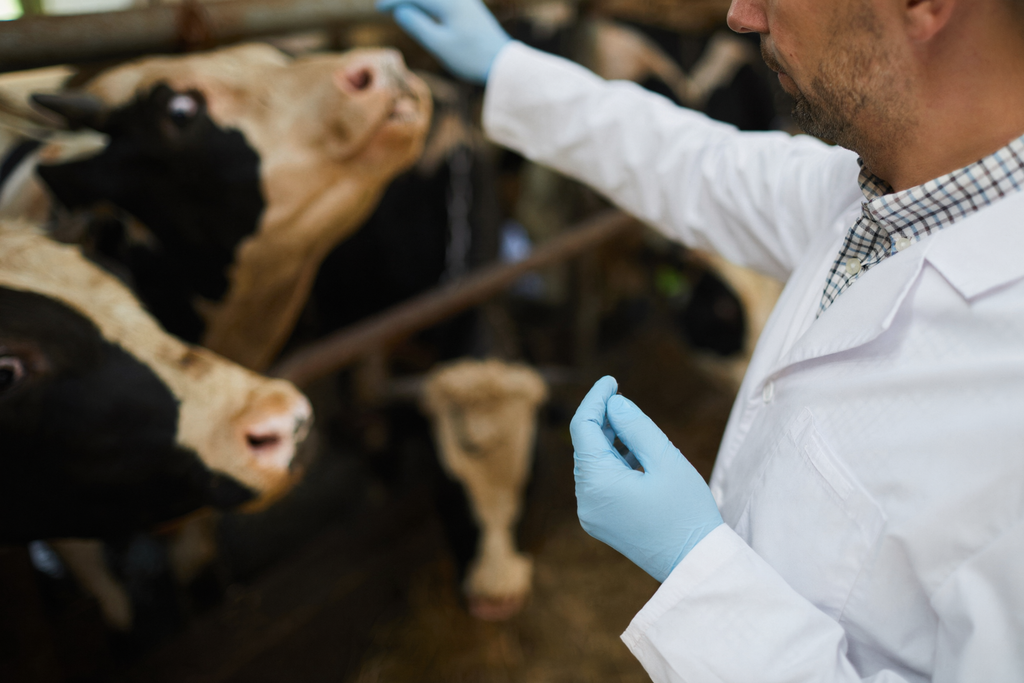
These cows will not win any medals in any rings but pushing 650kg milk solid on a body of less than 550kg is the target.
So when our first skin test after the summer found lumps on my favourite I cannot pretend I did not ask the vet to doublecheck.
But the vet was certain.
It was a sad satisfaction that I got when lesions were subsequently confirmed. It did not lessen the grief but at least it had not been a false positive.
Ultimately, this came to embody everything that has made this past year so devastating.
Cows
The loss of cows is not simply financial, in fact it was the mental strain that was far worse.
Because what it represents is a future lost.
No compensation can make up for the calves that cow, and the 30 other breeders we’ve lost, that would have produced.
Entire bloodlines have been wiped out, thousands perhaps tens of thousands of euros are lost in truth.
The side of the farm I love most dearly has been crushed.
They say it is far harder to break a man with no hope. That if you want to break him, give him hope then snatch it away. Every single test has felt like that, plaguing me with hope that we’re finally done enough now - or this will surely be the end only for cruel reality to crash in.
An autumn of deep powerwashing (including dirt lifting foam detergents), disinfecting every inch of the farm these dairy reactors could have come into contact with has been equally exhausting.
The strain comes from trying to picture in the mind’s eye where an infected cow’s breath could have landed, it’s like a form of self inflicted paranoia.
Today our farm faces an uncertain future - next skin test is the beginning of December.
I’m currently feeding 66 angus calves we decided against selling through a restricted sale. The decision was made primarily to use ground that due to TB - we did not have the cows to milk on.
Hope?
The question we face in spring is again one of hope - have we have done enough to come clear on the next test - for the second we would need to be unrestricted in late January.
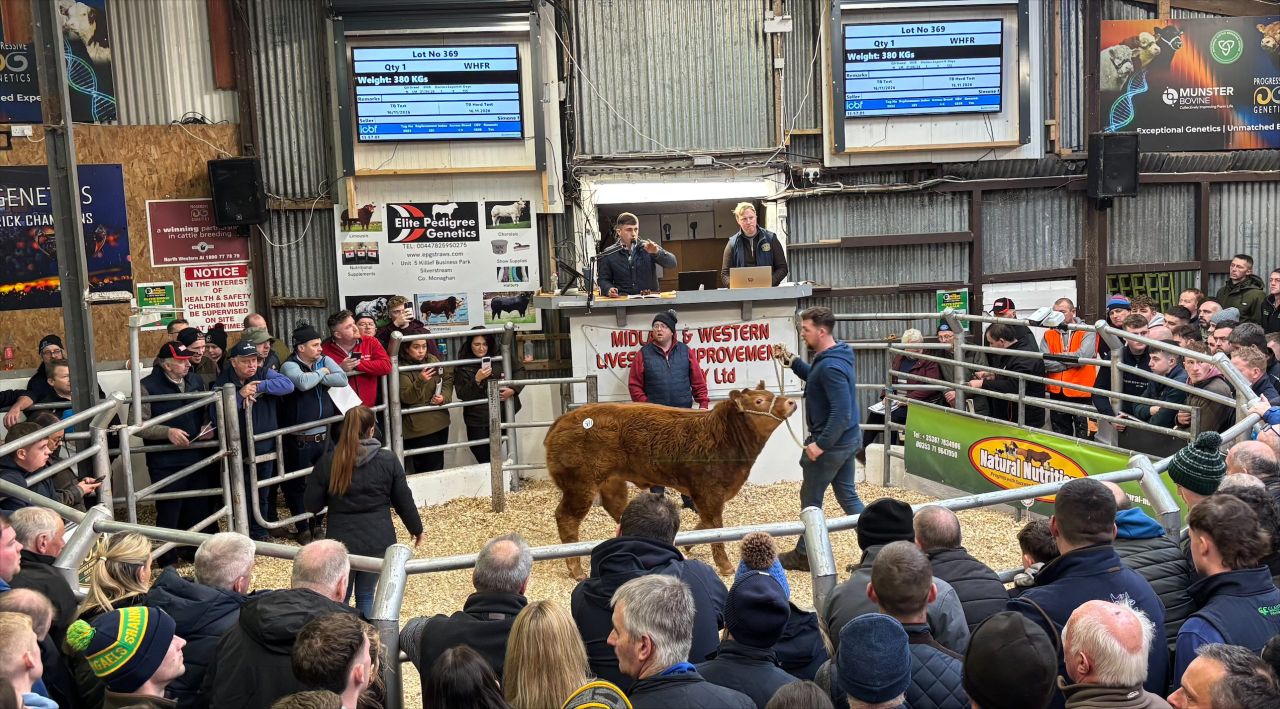
If not clear we will be forced to put the bulls through a restricted sale. Marts now operating restrict sales have improved both the transparency and the prices farmers already struggling with TB can receive for these tested clear animals.
With the nature of these sales however, with only feedlots allowed purchase, it means the market is limited and prices range from on-par, for animals ready for finishing, to €200 behind market value, for reared calves and runners.
Since I first began speaking publicly about my own TB story, many farmers have reached out to share their own experiences with me.
Time and again, I hear of the immense mental toll of living through repeated TB breakdowns, the uncertainty, the anxiety and the constant fear that it will happen all over again.
We, like so many others caught in this cycle, are left waiting, hoping and praying for those two words: "all clear".