Support for Irish agtech urged as exports drop while global market booms


While the global agtech market, valued at around $25 billion, is expected to double by 2030, Ireland's industry exports have been dropping.
From about €1 billion in 2023, Enterprise Ireland-supported Irish agtech exports fell to €844m in 2025.
That is why AgTech Ireland is calling for the sector to "gain the recognition and priority it deserves in all relevant national policies".
The organisation, which represents and promotes Ireland's agtech community, released a paper titled 'Enterprise 2035 – CAP (Common Agricultural Policy) 2028-34: Positioning Ireland as a global leader in agricultural technology to support sustainability and food security'.
The paper argues that integrating agtech into agricultural policy and CAP strategic plans would help secure rapid adoption and optimise economic and environmental performance on farms.
It pointed out that Enterpise Ireland has estimated that 87% of agtech companies are based outside Dublin.
"Every euro of agtech export growth lands in regional towns and rural communities," the report said.
Policy recommendations
The AgTech Ireland report identified 12 strategic policy recommendations for the government to take into consideration
These include the establishment of accredited commercial test farms covering all main farming systems, increase investment in collaborative research, and promote Ireland as Europe's launching pad for trialling and scaling global agri-innovations.
AgTech Ireland is looking to be promoted equitably to Ireland's food and drink sector (which, in combination with the horticulture industry, exported €19b in 2025).
The report noted that agtech exports, supported by Enterprise Ireland, amounted to €844m in 2025.
The paper highlights that Irish food and drink was not an overnight global success, but benefitted from "decades of national strategy, joint promotion and a credible sustainability story".
The corporation is also calling for a dedicated agricultural technology adoption scheme to be worked into the post-2027 CAP framework or the successor to Targeted Agriculture Modernisation Schemes (TAMS) 3.
It advised that such a scheme should retain the "broad levels of support" from TAMS 3, however, says it should be designed specifically for rapidly developing technologies.
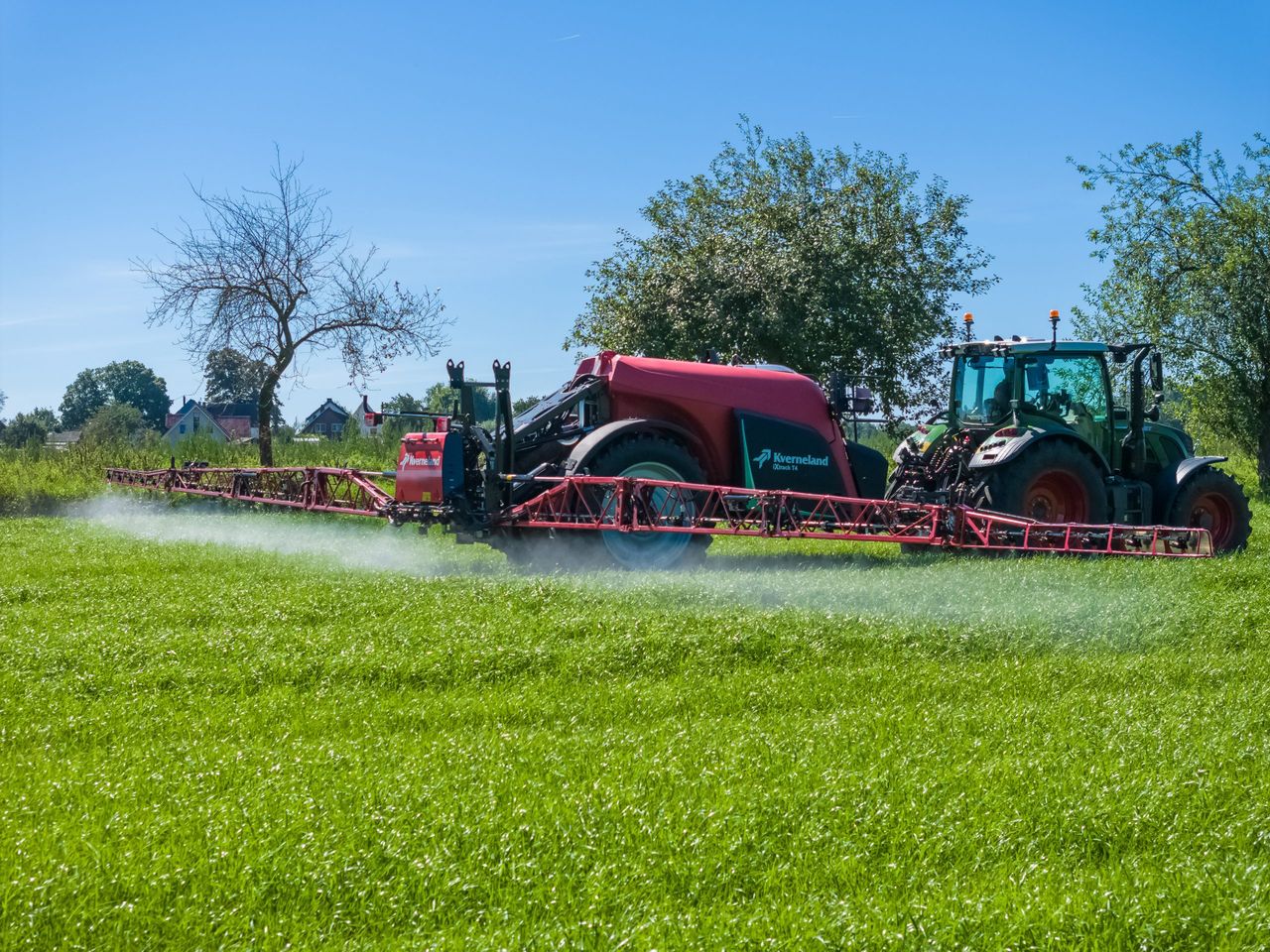
This includes technology such as artificial intelligence (AI) and decision-support systems, precision agriculture technologies, and agri-equipment and hardware.
Recognition
Speaking at the AgTech Annual General Meeting this week, chair Lloyd Pearson said: "Our paper makes clear that integrating agtech into our agricultural policy and CAP Strategic Plans would help secure rapid adoption and optimise economic and environmental performance on farms.
"Recognising agtech as a priority sector in our enterprise policy would ensure that agtech companies can establish and grow with adequate access to business supports and finance.
"Policies on digitisation, connectivity and AI adoption across the economy are also directly relevant to the majority of agtech products and services.
"Finally, improving competitiveness is as crucial for agtech as it is for every other sector of our economy."