Sponsored
Making the beef farm fit family life

Sponsored by

For many part-time beef farmers, balancing an off-farm career, family commitments and farm work is a constant challenge.
Can you run a profitable suckler farm, work full-time off farm and still have time for family life?
For Aonghusa Fahy, a suckler farmer from Ardrahan, Co. Galway, the answer is yes.
By investing in the right infrastructure, embracing technology and making better use of his time, Aonghusa manages a 30-cow suckler herd while working full-time as a secondary school teacher, spending an average of just 23 hours per week on the farm.
His experience will be one of the highlights of this year's Teagasc National Beef Conference, on Monday, November 30, at the Hodson Bay Hotel, Athlone, Co. Roscommon where farmers will explore how to improve profitability while achieving a better balance between farming, work and family life.
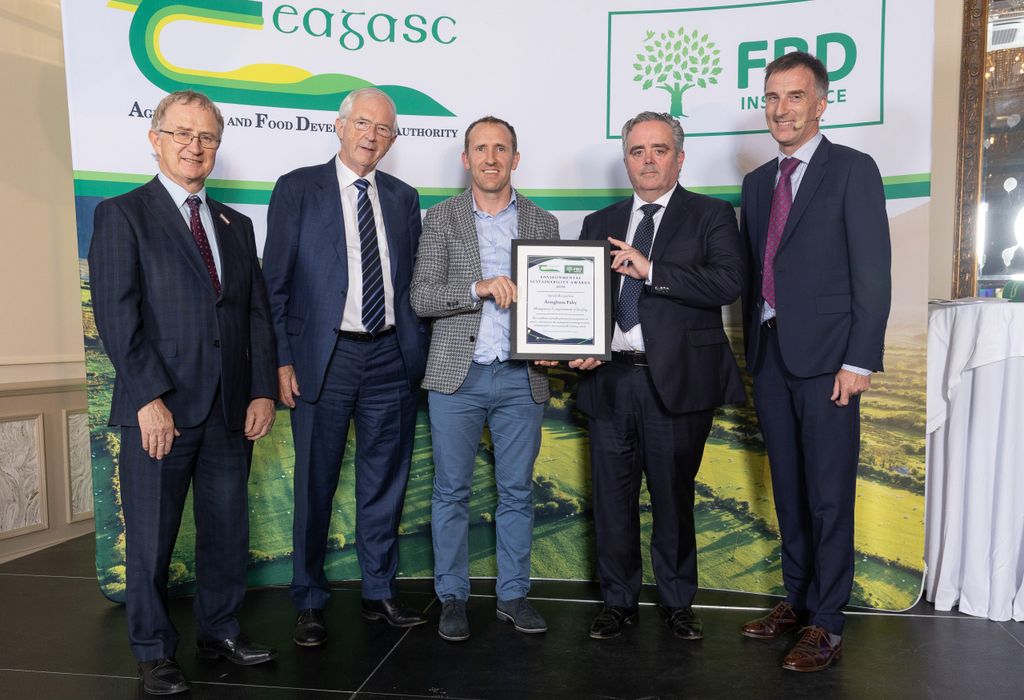
With the theme ‘Profitable Beef Farming, Balanced Lifestyle’, this year's conference will bring together Teagasc researchers, advisers, farmers and industry experts to discuss practical ways to improve beef farm profitability while making time for family life and personal interests.
Starting at 5:00p.m, the conference will focus on two important areas for beef farmers: improving animal performance and financial returns from birth to finish and making beef farming more manageable around family and other commitments.
The event will be opened by director of Teagasc, Prof. Frank O'Mara, following a welcome from drystock adviser with Teagasc Roscommon/Longford, James Kelly.
Driving performance and profit from birth to finish
The first session, chaired by drystock adviser with Teagasc Roscommon/Longford, Charlie Devaney, will examine where farmers can make the biggest gains in animal performance and profitability.
Future Beef Programme Manager Martina Harrington will outline how suckler farmers can increase profit by €600/cow, highlighting the importance of focusing on the key performance and financial indicators that influence the bottom line.
Dr. Paul Smith, Teagasc researcher at Grange, will then present findings from Beef-Quest, an Irish research project led by Teagasc in collaboration with University College Dublin (UCD) and the Irish Cattle Breeding Federation (ICBF), and funded by the Department of Agriculture, Food and the Marine (DAFM).
The project examines how cattle performance can be improved from weaning through to slaughter.
Dr. Smith will discuss what the research data is telling us and how farmers can use this information to make better decisions around cattle management, nutrition and finishing performance.
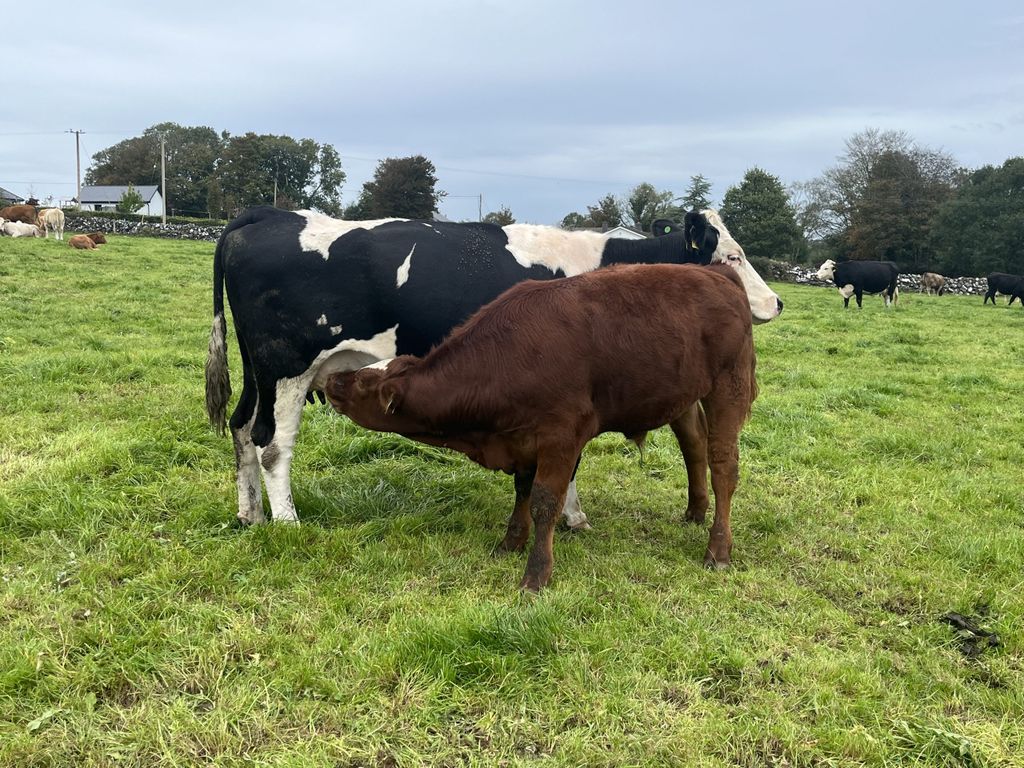
These presentations will be followed by a panel discussion on maximising output from birth to finish.
Panellists will include Martina Harrington; Dr. Paul Smith; Dr. Aisling Claffey, Teagasc ruminant nutritionist; Brian Jordan, Castle Forbes Estate, Co. Longford; and Dr. Marijke Beltman, MRCVS, from UCD.
The discussion will bring together expertise in animal breeding, nutrition, health and management to explore practical ways of getting more from every animal produced. A short break with complimentary refreshments will follow.
Farming and family life: Finding the right balance
The second session, chaired by television presenter Helen Carroll, will focus on another important challenge facing beef farmers: how to run an efficient and profitable farm without allowing it to take over family and personal life.
Aonghusa will share his experience of combining a suckler enterprise with a full-time career as a secondary school teacher.
In his presentation, ‘Teaching full-time, farming part-time: Making the beef farm fit family life’, he will explain how investment in infrastructure, technology, grassland management and outsourcing has helped him make the most of the hours available for farming.
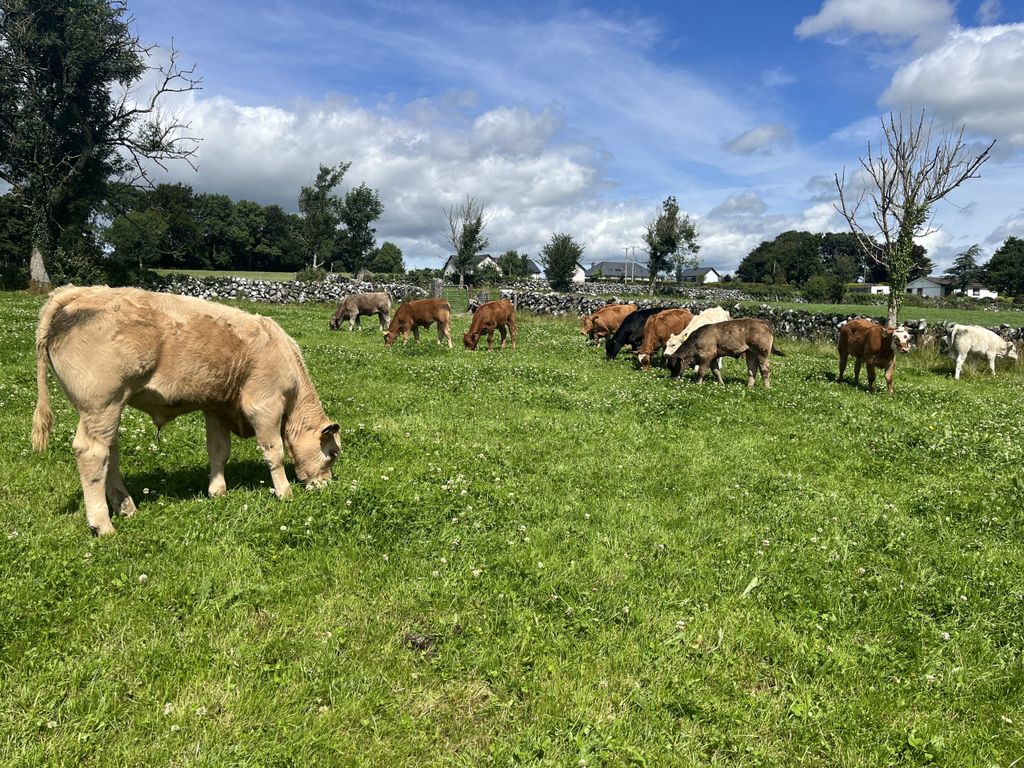
Alongside his wife Olivia and their three children, Aonghusa manages a 30-cow suckler herd on 48ha. He finishes all homebred progeny under 30 months-of-age and buys in a further 15-20 store cattle for finishing.
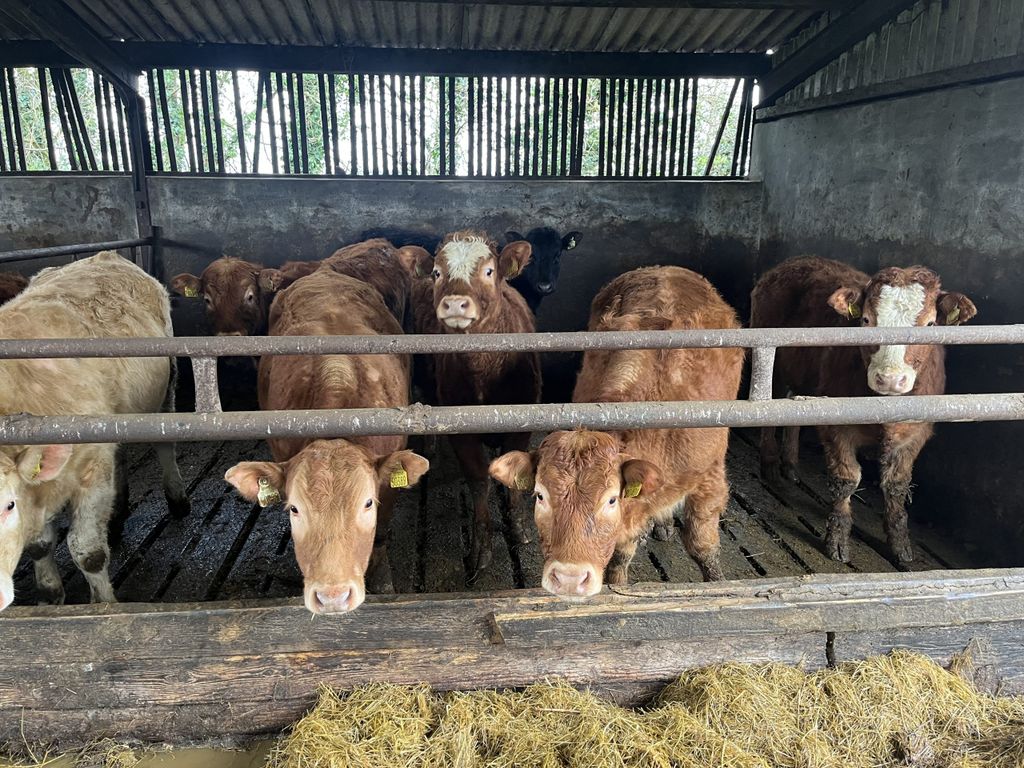
Despite farming an outfarm in Tulla, over 40km from home, he spends an average of just 23 hours per week working on the farm.
His philosophy is simple: make the hours spent farming count.
Investment in infrastructure and technology has been central to achieving this.
A new slatted shed with nine calving pens, locking barriers, improved roadways and a dedicated handling unit have reduced labour requirements.
The home farm has been divided into 25 paddocks, with Aonghusa spending approximately one hour each Sunday measuring grass to plan grazing and fertiliser applications.
Technology also plays an important role. Heat detection collars and calving cameras allow him to monitor stock remotely, while portable meal bins reduce feed handling.
Silage making, slurry spreading and fencing are contracted out, and a reliable stockperson checks cattle on the outfarm daily.
A strong working relationship with his artificial insemination (AI) technician also helps make 100% AI manageable.
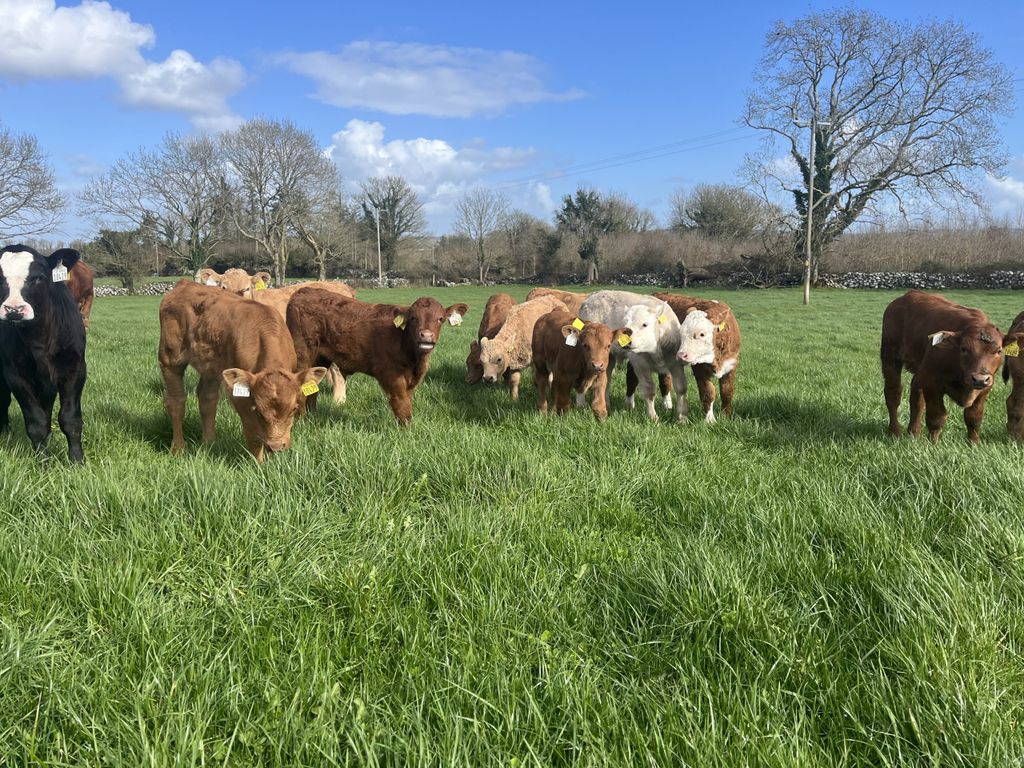
Calving remains his biggest workload challenge. He aims to reduce the calving spread from 12 weeks to less than nine weeks, using careful bull selection and short-gestation genetics to reduce labour demands.
With three young children, farm safety and family time are priorities. Outside farming and teaching, he also enjoys playing hurling.
His experience demonstrates that success in part-time beef farming is not about maximising cow numbers or working longer hours, but investing wisely, planning ahead and building a manageable, profitable system that leaves time for family and personal interests.
With almost half of Irish farm holders working off farm, his experience will be particularly relevant to farmers juggling employment, family commitments and farm work.
Frank Hynes, a farmer and coach with more than 35 years' experience in agriculture and founder of Fresh Pastures, will also address the importance of farmer wellbeing.
Through his work, Frank helps farmers manage stress, improve wellbeing and achieve a better balance between farming and personal life.
His presentation, ‘Take Control of Your Farm, Your Time and Your Life’, will offer practical advice on managing everyday pressures, taking control of workloads and making time for the things that matter outside farming.
The session will conclude with a panel discussion entitled ‘Making Time for Better Beef Farming’.
Panellists will include: Olivia Hynes, suckler and sheep farmer from Co. Roscommon; Aonghusa Fahy, suckler beef farmer from Co. Galway; Colin Callinan, dairy calf-to-beef farmer from Co. Galway; Seamus Nolan, Teagasc Schemes Support Unit specialist; and Ger Hartnett from the Health and Safety Authority (HSA).
The panel will discuss practical ways to organise farm work, make better use of available labour and resources, improve farm efficiency, and maintain safe working practices, while protecting time for family and personal commitments.
An evening with practical take-home messages
The Teagasc National Beef Conference will give farmers an opportunity to hear the latest research, learn from the experiences of fellow farmers and take away practical ideas that can be put into action on their own farms.
Whether your priority is improving cattle performance, reducing production costs, getting more from grass, making better use of your time or achieving a better work-life balance, there will be something relevant to every beef farmer.
Beef farmers are encouraged to attend this free conference on Monday, November 30, at 5:00pm in the Hodson Bay Hotel, Athlone, Co. Roscommon (N37 XR82).
Topics
Sponsored by