Tillage: Prepare for a flush of fast-germinating weeds next spring

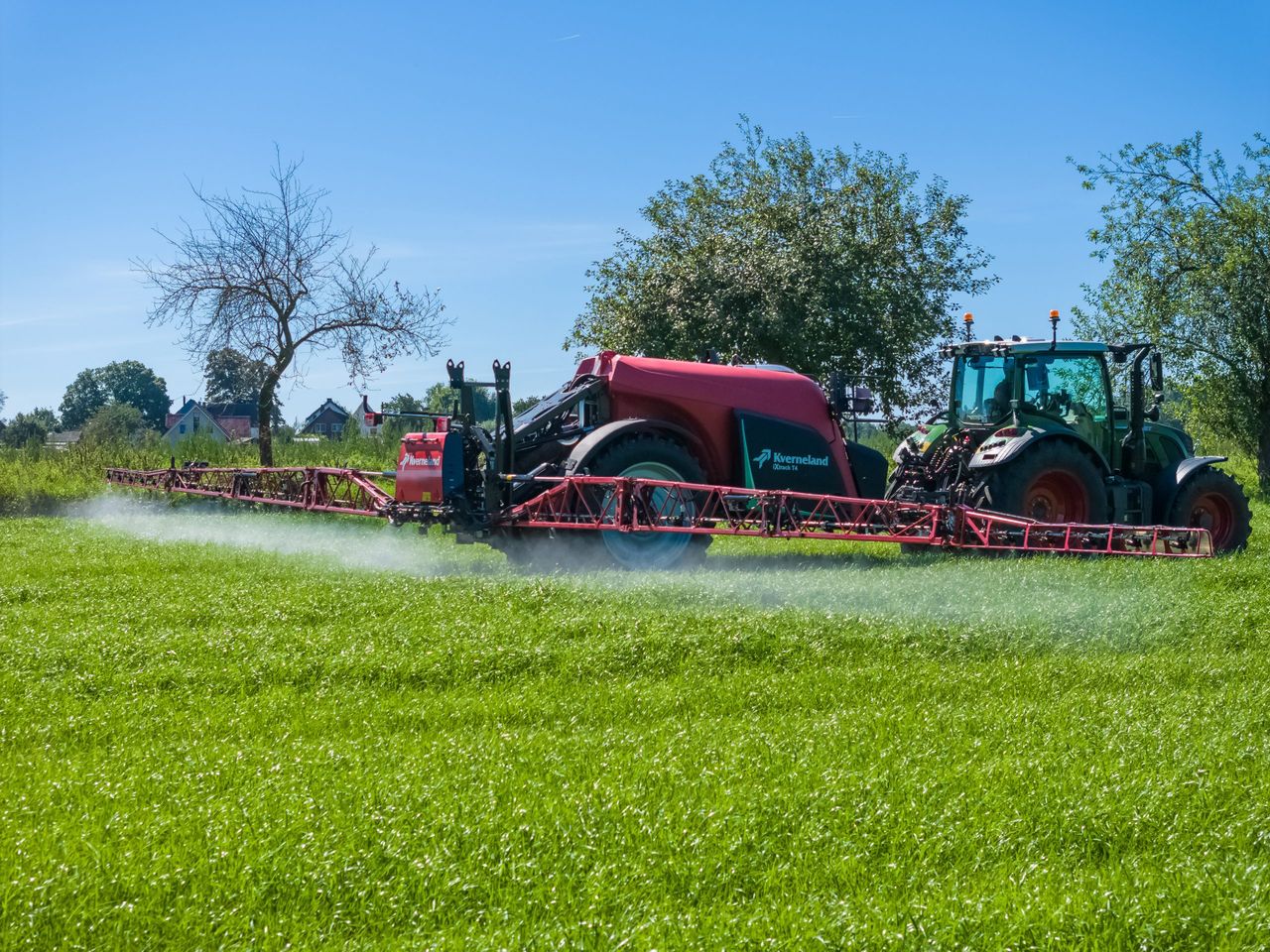
Irish tillage farmers are being strongly advised to prepare for a flush of fast-germinating weeds next spring.
This is despite the fact that many growers applied pre-emergence herbicides to autumn-drilled cereals a few weeks ago
The two most important threats to crops next spring in this regard are cleavers and wild oats.
In all instances of weed control, it is very much a case of getting a herbicide applied as early in the plants’ growth cycle as possible.
Herbicides
This matter was discussed at a recent Teagasc tillage meeting held in Burt, Co Donegal. The issue of using generic herbicides, as opposed to branded products was highlighted at the event.
While it was recognised that the active chemistries within a generic herbicide must be fully licensed and accredited: the same cannot be said for the adjuvants that accompany them
Meanwhile the cost entailed in the development of new herbicide-active molecules continues to increase at an exponential rate.
Annual meadow grass
Meanwhile, autumn herbicide application is the most reliable way to control annual meadow grass (AMG) in winter wheat and barley.
Applying residual herbicides in autumn, up to the early tillering stage of the AMG offers the best chance of success. However, control becomes less effective as the AMG starts to tiller.
Post-emergence spring options used in wheat are not as reliable as before, as AMG is showing resistance to some herbicides.
This has been identified in recent herbicide resistance testing in Teagasc.
Where a pre-emergence herbicide has not been used, growers should apply a broad-acting herbicide early post-emergence.
Herbicide selection should be based on field history as there are very few mixes available that cover a complete range of weeds.
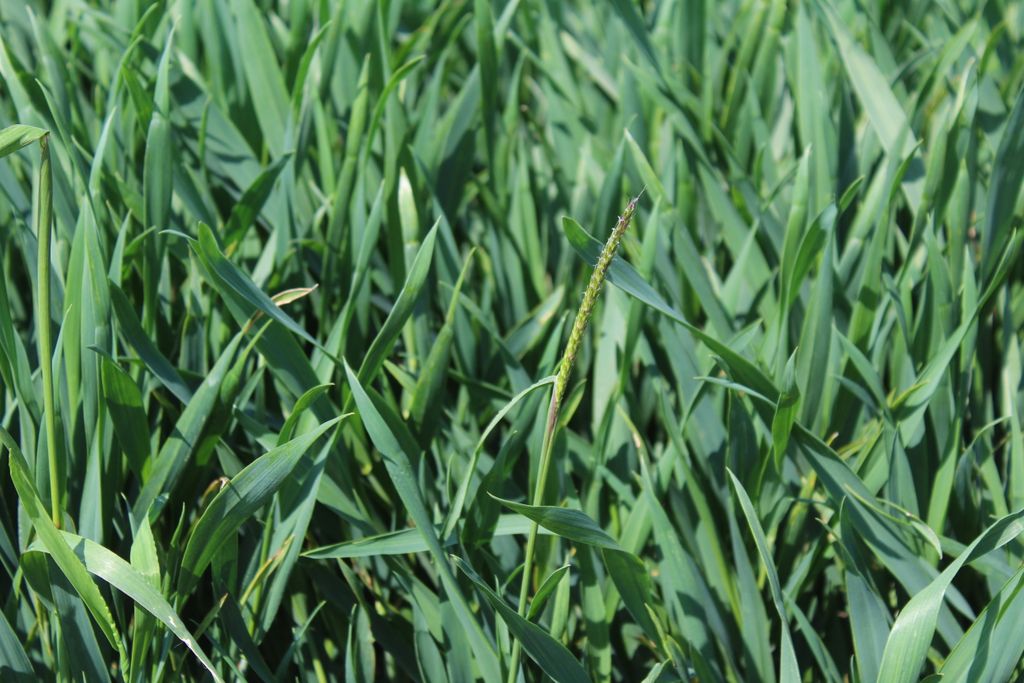
Priority should be given to the most competitive weeds; e.g., AMG, cleavers, sterile brome, charlock, chickweed, and wild oats.
Growers should be fully aware of herbicide resistance and take steps to minimise the risk of it on their farms.
Most cases of resistance occur in situations where herbicides with the same mode of action have been used repeatedly in the same field.
Full rate label rates should always be used, where the application of herbicides is concerned.
Securing effective autumn weed control in newly established cereal crops is crucially important. Growers must target grass and broad leaf weeds in equal measure.
According to Teagasc, pre-emergence herbicides have been shown to be more effective in controlling many problem grass weeds, such as bromes, blackgrass, and AMG.