Greater food origin transparency welcomed amid tough conditions
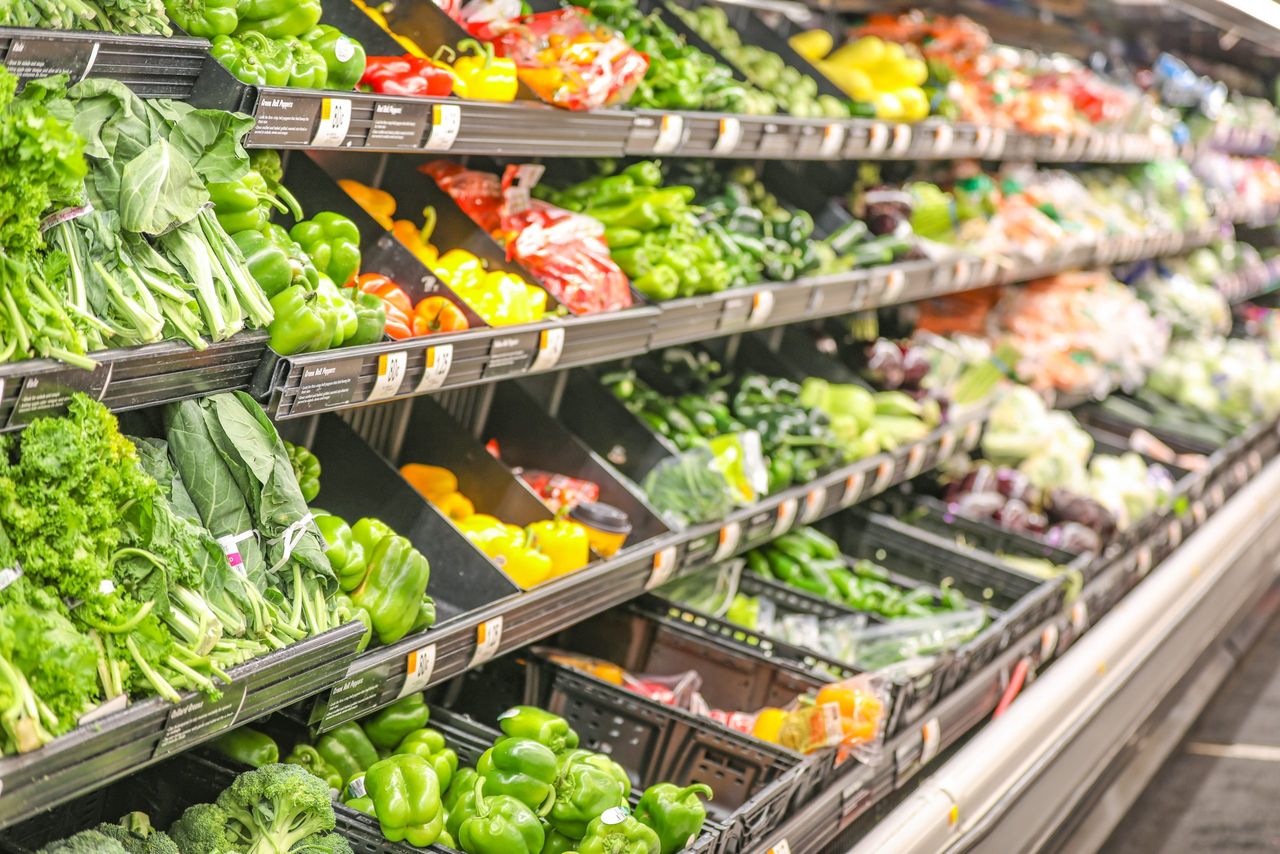
Greater transparency about the origin of food products on food retailers' shelves will support the long-term viability of Irish growers.
This was the message from independent senator, Victor Boyhan, who said clearer and larger labelling would distinguish native Irish-grown produce from items merely packed or processed in Ireland.
Senator Boyhan, a member of the Oireachtas Committee on Agriculture and Food, added that, “2026 has been a tough year for dairy farmers, food producers and horticultural growers, who all produce essential ingredients to keep our food chain distinctly Irish, affordable and sustainable".
Charter
Referring to the Irish Horticulture Grower-Retail Charter, which he called "a coordinated effort to support long-term stability, fair pricing, and transparent food promotion", he commended the six retailers that signed the charter earlier this year.
These are Dunnes Stores, SuperValu/Centra, Lidl, Marks & Spencer, Tesco, and Aldi.
The charter, developed as part of the National Strategy for Horticulture 2023-2027, "will bolster long-term support for producers amid escalating costs and labour challenges, aiming to enhance transparency, sustainability, and domestic food security", he said.
The charter sets out five broad principles:
- Fair and clear engagement between retailers and growers;
- Stronger and more transparent promotion of Irish produce;
- Longer-term trading relationships, pricing, and cost approaches that better reflect production realities;
- Co-operation to cut food loss and waste.
Agriland previously reported that Minister of State at the Department of Agriculture, Food and the Marine (DAFM) with responsibility for forestry, farm safety and horticulture, Niall Collins said:
"Every time we choose Irish, in-season fruit and vegetables, we are supporting local families, strengthening rural communities, reducing our carbon footprint and supporting import substitution by reducing our reliance on imported produce grown overseas."
Horticulture crisis
However, the agroecology and small-scale production advocacy group, Talamh Beo, said in an earlier report, that the charter will not address the "crisis" in the sector.
The group said that while the retail charter is a "first step", local food farms should be recognised and resourced "if we want a real change in how we feed ourselves".
The group is calling for formal recognition of "local food farms", as well as a basic income for "local food farmers", and support for local food infrastructure such as community food hubs.
According to Talamh Beo, supermarkets and conventional supply chain solutions, "fail to address the structural crisis in Irish horticulture, where as much as 80% of fruit and vegetables remain imported".
The group added that, while fair trading conditions for larger growers are necessary, "true national food resilience means expanding domestic production capacity, by establishing and supporting decentralised local food networks".
According to Talamh Beo, there is an "invisible network" of over 350 local food farms around the country, with around 180 of those involved in horticulture.
The group said that these producers "remain largely unrecognised in official policy and on the fringes of existing subsidy and payment systems".