Winter feed options and their nutritional advantages

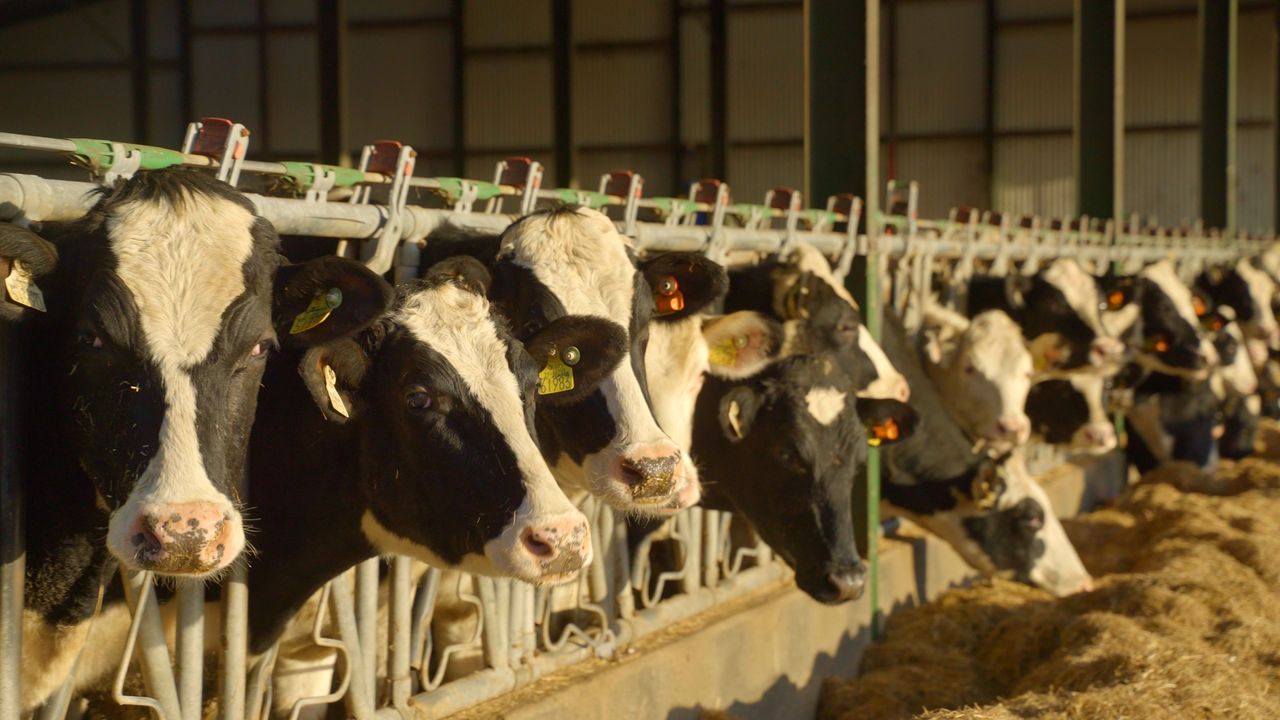
It is no secret that both fodder and cash flow are going to be tight on dairy farms across the country this year.
Therefore farms must be smart about feeding the herd, ensuring they are achieving the best performance possible in a cost-effective manner.
Teagasc has published a new guide outlining feed characteristics such as energy, protein, and fibre, in a range of feed options.
The guide has been created to help with decision-making when it comes to purchasing winter fodder this year.
Forages
The guide first looks at forage options, taking everything from grazed grass and silage to beet and potatoes into account.
The table below outline each feed, with energy as UFL, protein as crude protein (CP) percentage, and fibre as neutral detergent fibre (NDF) percentage.
| Feed | Energy | Protein | Fibre |
|---|---|---|---|
| Grazed grass | 1.03 | 18 | 35 |
| White clover grass | 1.05 | 19 | 32 |
| Grass silage (74% DMD) | 0.86 | 14 | 45 |
| Grass silage (66-68% DMD) | 0.76 | 12 | 50 |
| Maize silage | 0.88 | 8 | 41 |
| Red clover silage | 0.85 | 15 | 40 |
| Fermented whole crop wheat silage | 0.80 | 9 | 55 |
| Hay | 0.68 | 10 | 66 |
| Barley straw | 0.45 | 4 | 80 |
| Brewers grains | 0.92 | 25 | 53 |
| Fodder beet | 1.12 | 8 | 15 |
| Potatoes | 1.20 | 11 | 16 |
Freshly gazed grass is the cornerstone of Irish dairy, but it is not just because we can grow it in abundance.
When the crop is good, it is high in energy and protein, however the protein and fibre content does vary depending on the stage where it is grazed, which is why grazing at the three-leaf stage is always considered crucial.
The same goes for white clover swards, although these do have a better intake per kg of liveweight as they are lower in NDF%.
If high quality silage can be made, then it can easily go toe-to-toe with grazed grass, delivering strong energy and protein figures.
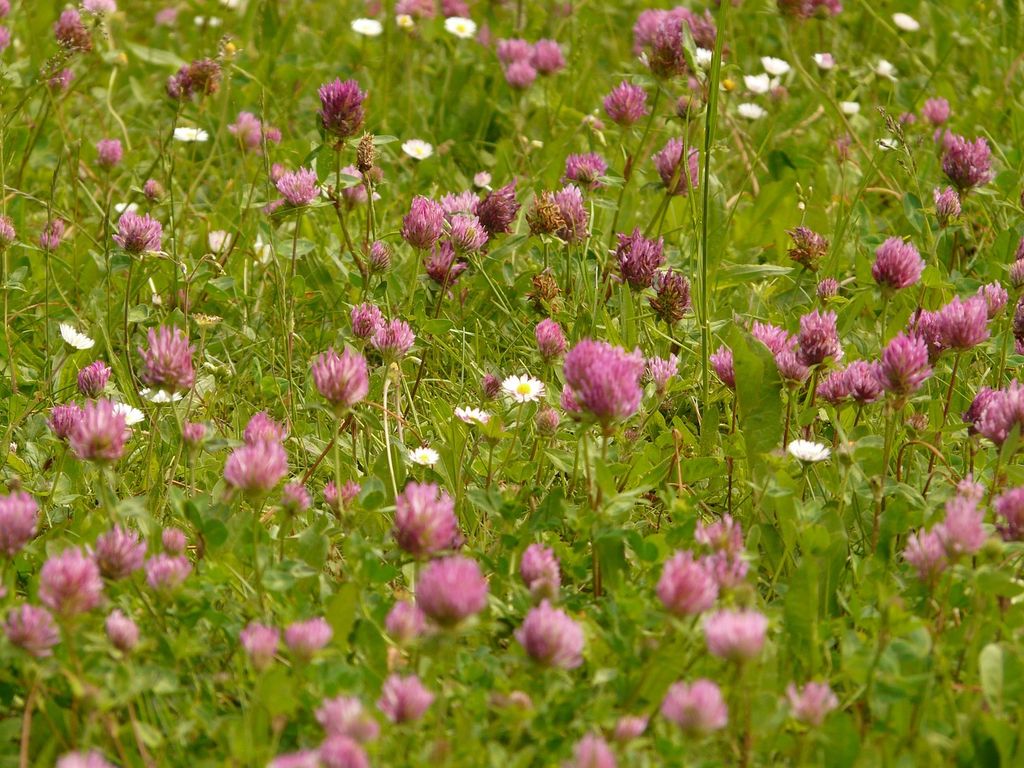
Red clover silage is similar to grass but can increase intakes when produced well; meanwhile, lower quality silage should be set aside for dry cows and other non-dairy stock.
Feeds such as hay and straw are ideal as a source of fibre, but will deliver minimal energy and protein to the diet.
Some of the less traditional feeds include brewers grains; the feed is very popular where it is available, but this can vary regionally.
The feed provides a high level of fibre, as a good level of protein and a moderate level of energy, these characteristics make it a good addition to a silage diets to stretch reserves, but it must be carefully manged to prevent easy spoilage.
Bulky crops such as fodder beet have always held their place in the dairy industry too, as they are a strong source of energy.
However, they are low in protein and fibre, therefore farms feeding these crops must supplement with minerals, concentrates, and fibre sources such as hay and straw.
The same goes for potatoes, which are also high in energy and starch but low in fibre.
Concentrates
The second table looks at concentrates, which have already played a large role in the drought and will continue to be essential throughout the winter months.
This table too looks at energy as UFL, protein as CP%, and fibre NDF%.
| Feed | Energy | Protein | Fibre |
|---|---|---|---|
| Barley | 1.16 | 11 | 17 |
| Feed wheat | 1.16 | 11 | 9 |
| Feed oats | 1.03 | 11 | 34 |
| Cereal rye | 1.02 | 11 | 14 |
| Field beans | 1.18 | 28 | 20 |
| Maize meal | 1.22 | 10 | 13 |
| Soybean meal | 1.18 | 55 | 6 |
| Rapeseed meal | 1.05 | 39 | 38 |
| Distillers' grains | 1.16 | 29 | 34 |
| Maize gluten | 1.04 | 23 | 47 |
| Beet pulp | 1.14 | 20 | 55 |
| Soya hulls | 1.05 | 11 | 70 |
| Palm kernal | 0.95 | 16 | 80 |
| Wheat feed (pollard) | 0.87 | 18 | 43 |
Similar to grazed grass and grass silage, barley acts as the benchmark feed when it comes to concentrates.
This is due to its high energy levels, but it is low in fibre which is why rations must be appropriate.
Cereal rye, feed wheats, and feed oats are all relatively similar, acting as good options in controlled amounts.
Field beans also have high energy levels, but are also high in starch and crude protein, while maize meal also has high energy levels.
Soybean meal is high in both protein and energy making it a useful addition when feeding low-quality silage, meanwhile rapeseed meal is generally a handy addition to low protein diets.
Beet pulp, soya hulls, and palm kernel all become popular options when fodder is scare.
Beet pulp is high in energy and fibre, soya hulls are high in fibre and have moderate energy but low protein, while palm kernel is high in fibre, and moderate when it comes to both protein and energy.
These characteristic make the three feeds a suitable fodder stretchers in years like this.