Why does the closed period exist?

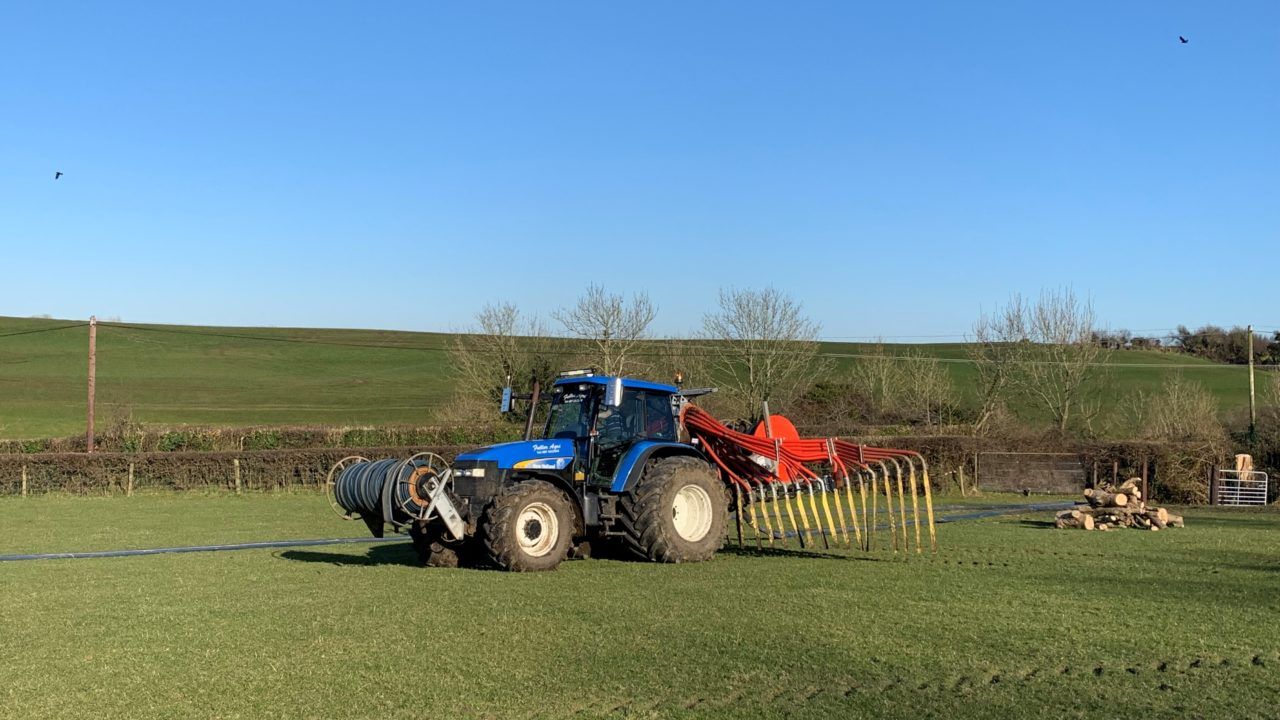
The closed period for slurry spreading is always a hot topic of discussion in a year like 2026, where the weather is hit and miss.
It is easy to feel aggrieved when the restrictions are technically lifted, but a poor spring makes field trafficability as good as impossible to spread slurry.
Frustrations with calendar farming further boil over when we get a good back-end to the year, when machines can easily travel but the closed period has already set in.
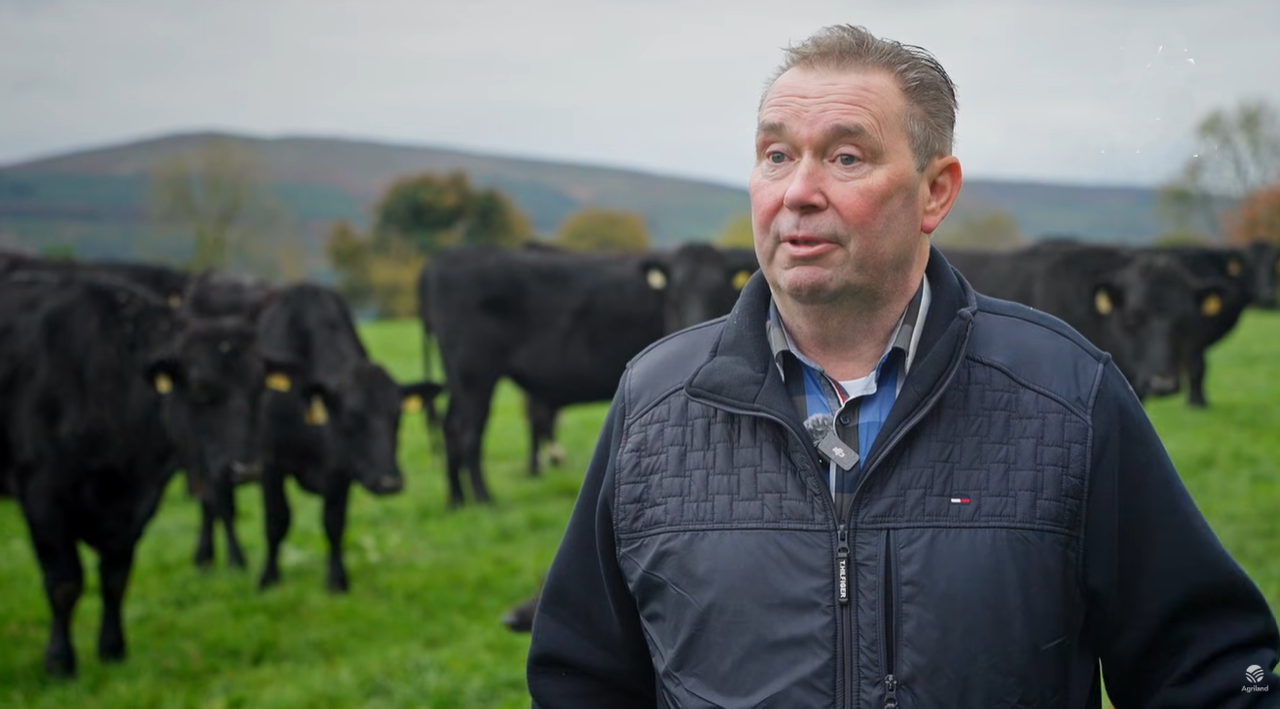
However, agricultural catchment specialist with Teagasc, Edward Burgess states that the format of the closed period is essential in minimising pollution and nitrate leaching.
Closed period
Burgess, who was speaking at the recent Teagasc Water Quality Conference noted that despite the noise around the topic, the closed period is in no way new, having being first introduced back in 1996, and coming into practice in 2006.
Burgess said the closed period was introduced based on science in an effort to minimise pollution while maximising nutrient uptake.
He noted that the science from 30 years ago regarding hydrology and nutrient loss has not changed, and if anything, has become even more critical.
The reasoning behind the closed period is largely based on grass growth.
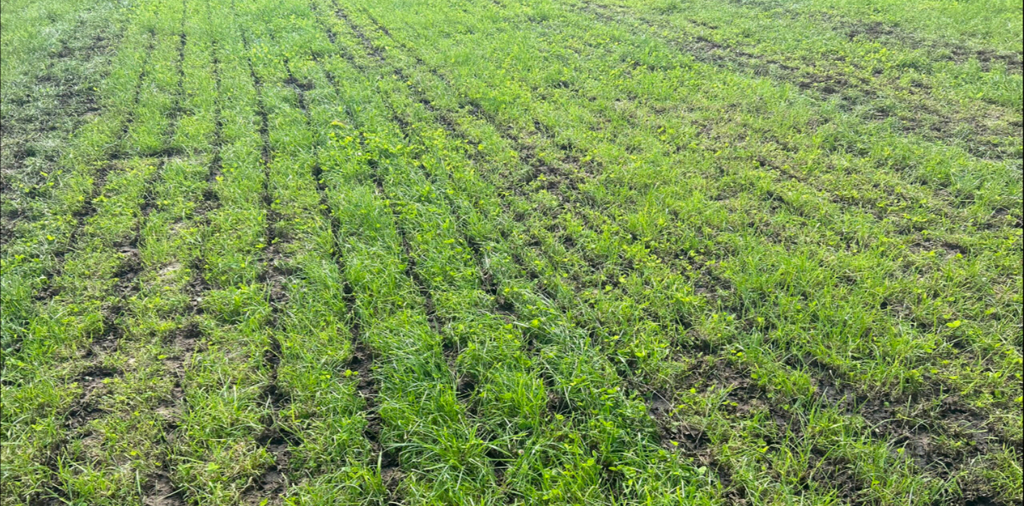
We all know that when daylight falls back and soil temperatures drop, grass growth begins to drop off for the winter months.
When growth reduces, the plant demands less nitrogen, which is why the spreading of additional nutrients is seen as a pathway to pollution, according to Burgess.
He noted how any additional nitrogen in the form of nitrate on the ground over the winter period while crop demand is low, is highly susceptible to leaching into water ways or the atmosphere.
As the plant does not require these nutrients, they essentially sink below the root level of the plant where they cannot be utilised, and will eventually wash away.
The message to farmers was that deadlines are not dictated by rainfall, nor are they just random dates.
Instead, they are dictated by light, crop demand, hydrology, and nutrient supply.