What is the average income for a farmer in Northern Ireland?

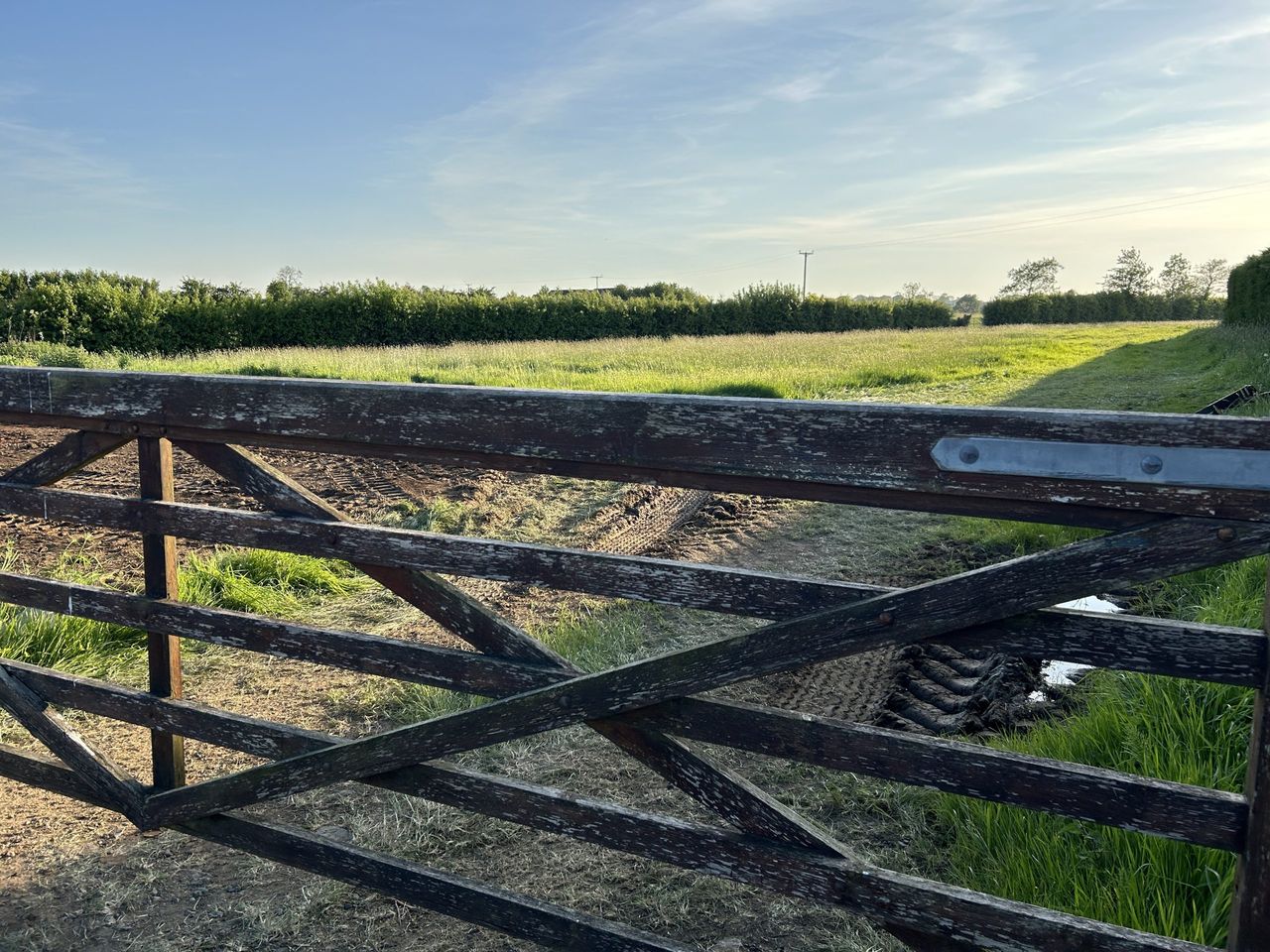
Total Income from Farming (TIFF) in Northern Ireland increased by 40.5% (35.6% in real terms) from £736 million in 2024 to £1.03 billion in 2025.
That's according to the Department of Agriculture, Environment and Rural Affairs (DAERA) which has published the first (provisional) estimate for farm incomes in 2025.
Revisions have been made to previous years.
TIFF represents the return on own labour, management input and own capital invested for all those with an entrepreneurial involvement in farming.
It represents farm income measured at the sector level.
Total Gross Output for agriculture in Northern Ireland was 12% higher at £3.62 billion in 2025.
There was a 13% increase in the value of output from the livestock sector, while field crops increased by 0.3% and horticulture decreased by 9%.
These figures are for the calendar year and therefore they represent the outturn across two harvest years.
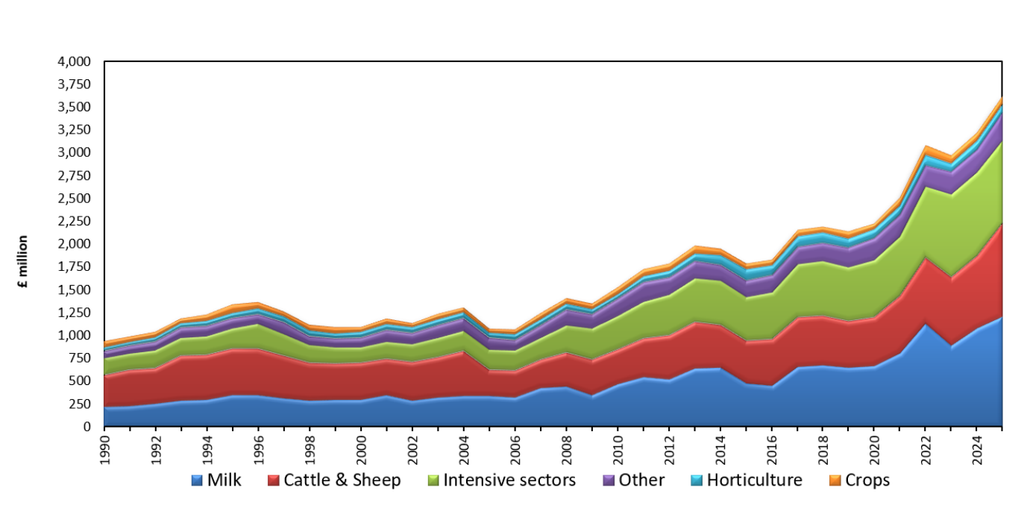
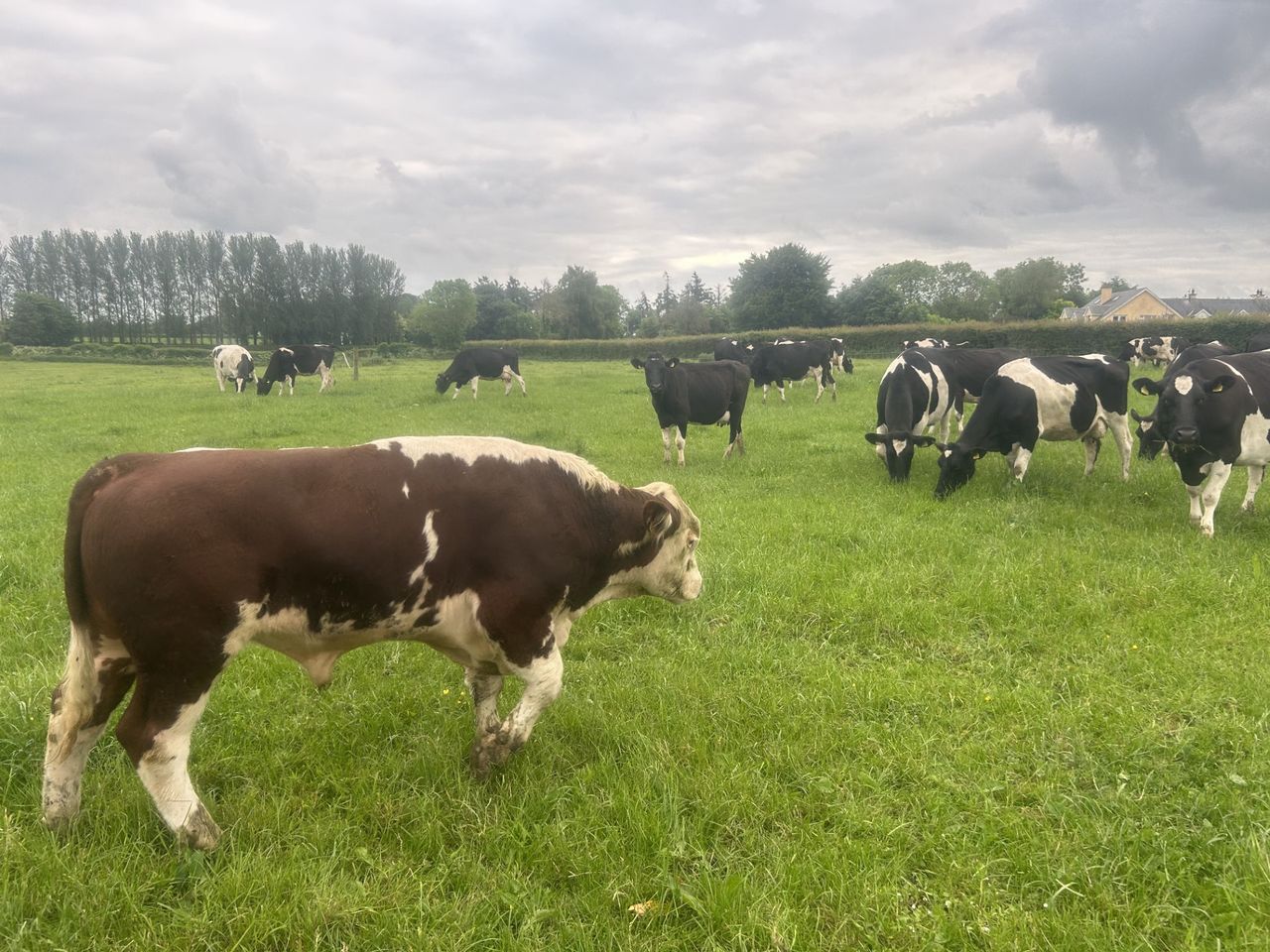
Dairying remains the largest contributor to the total value of Gross Output at £1.2 billion in 2025; an increase of 11% between 2024 and 2025.
The annual average farm-gate milk price increased by 3% to 42.5p/L, while the volume of raw milk produced in Northern Ireland increased by 8% to 2.8 billion litres.
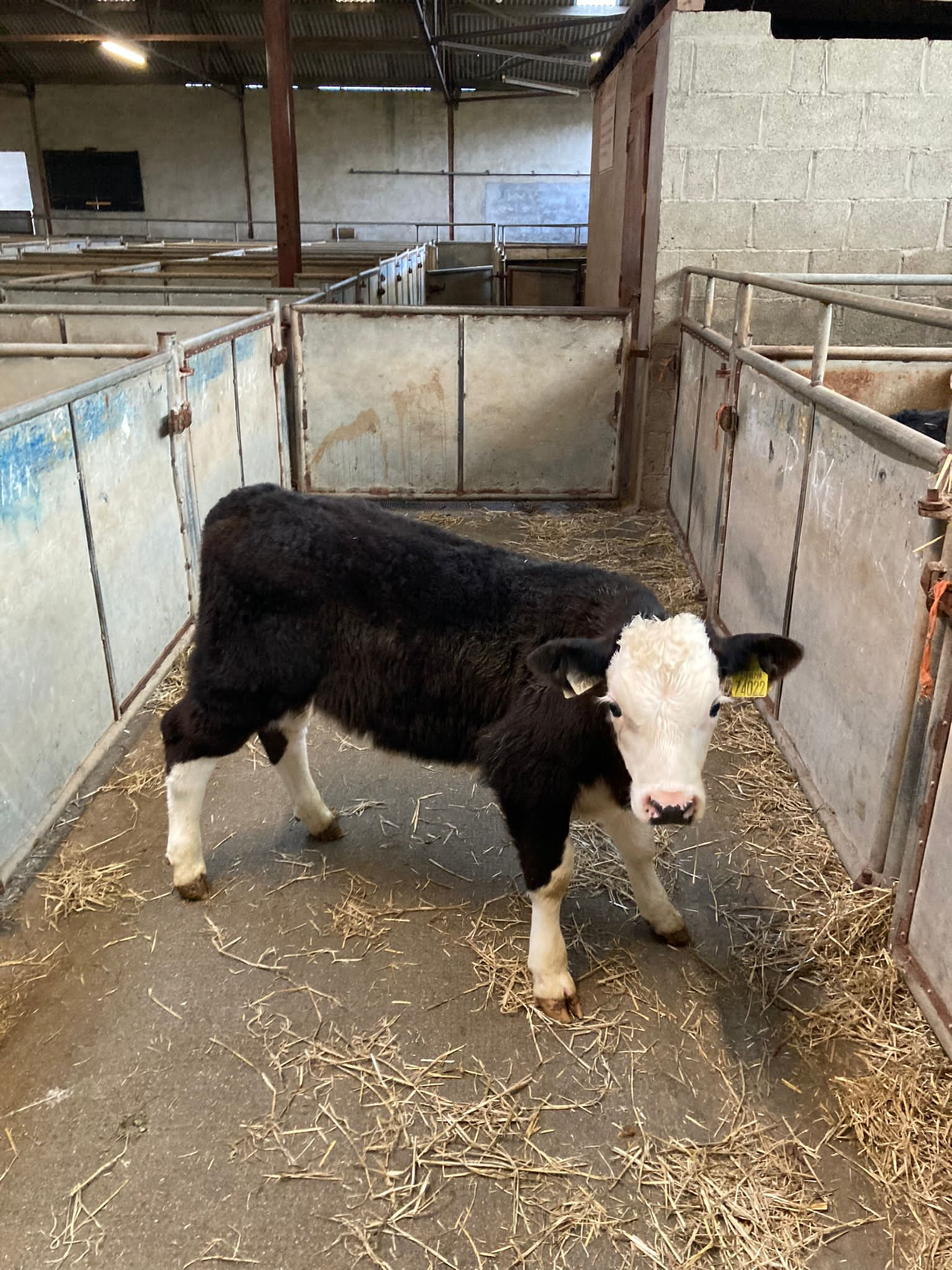
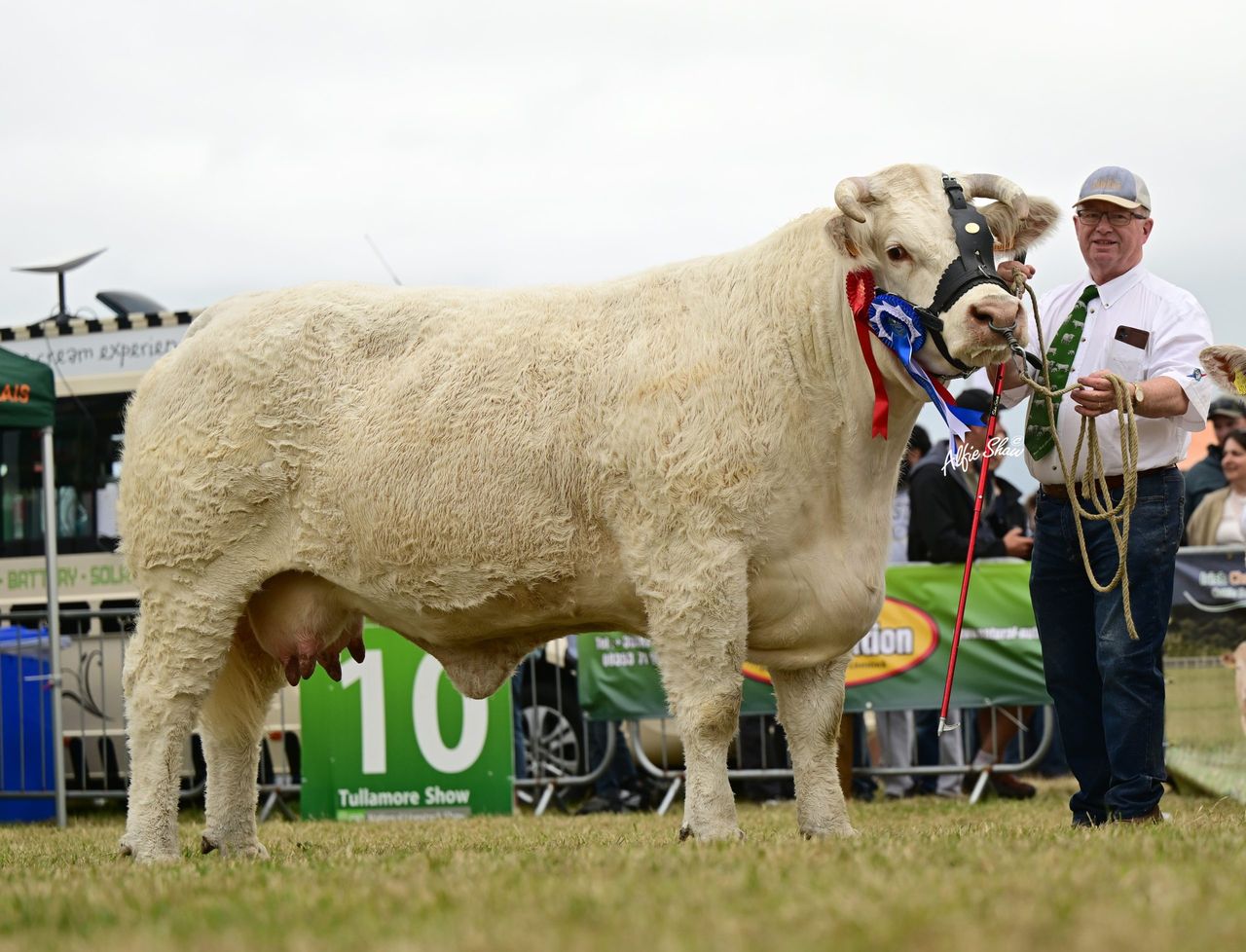
The output value of cattle was 37% higher at £898 million in 2025.
Livestock
The total number of animals slaughtered decreased by 4.4% in 2025, whereas the average carcass weights for clean and cull animals were 0.9% and 0.1% higher respectively.
These changes resulted in the volume of meat produced being 3.6% lower in 2025.
The average producer price for finished clean cattle was £6.33/kg in 2025 while the average producer price for cull animals was £4.88/kg.
These prices were 32% and 54% higher than their respective averages for 2024.
In addition to these changes, there was also a stock change of minus £7 million due to a reduction in the number of cattle on ground between 2024 and 2025.
The value of output from sheep decreased by 6% to £120 million in 2025.
The total number of sheep slaughtered decreased by 16% in 2025 whereas the average carcass weight increased by 3% to 22.6kg.
The volume of sheep meat produced decreased by 14% in 2025. The average producer price increased by 2% to £6.55/kg.
Poultry and pigs
The value of output in the poultry sector decreased by 13% to £304 million in 2025 while the egg sector increased by 17% to £317 million.
The value of output in the pig sector also decreased by 1% to £294 million.
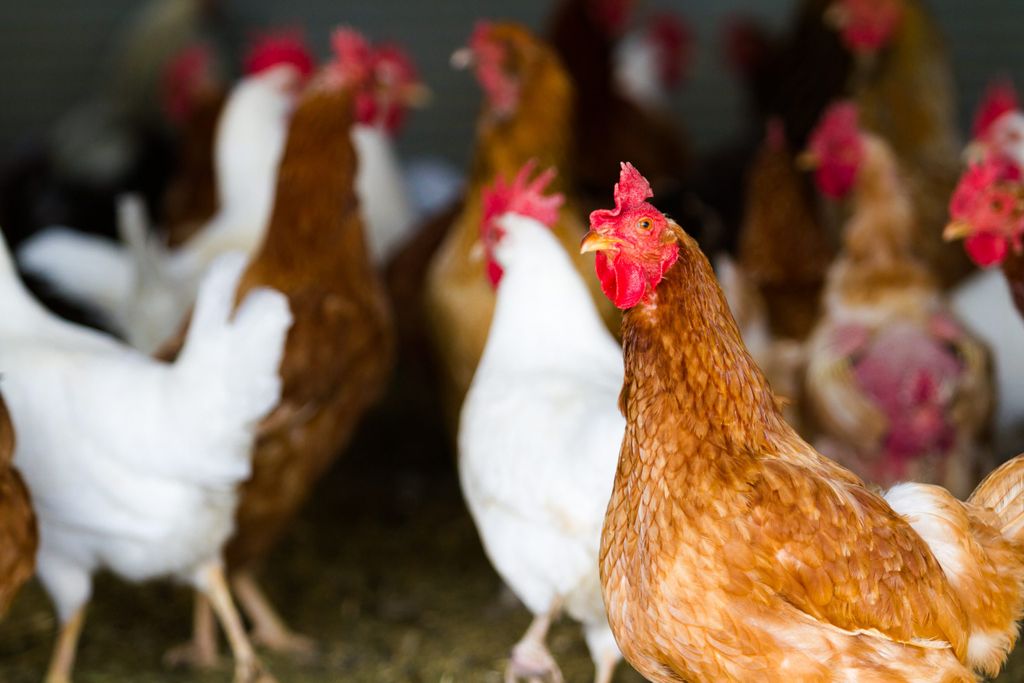
The poultry sector recorded an 8% decrease in its production volume for 2025, whereas the pigs and eggs sectors recorded a 2% and 17% increase in their respective production volumes when compared with their previous year levels.
Producer prices in the poultry and pig sectors decreased by 5% and 3% respectively, whereas the producer price for eggs increased by 1%.
Tillage/arable and horticulture
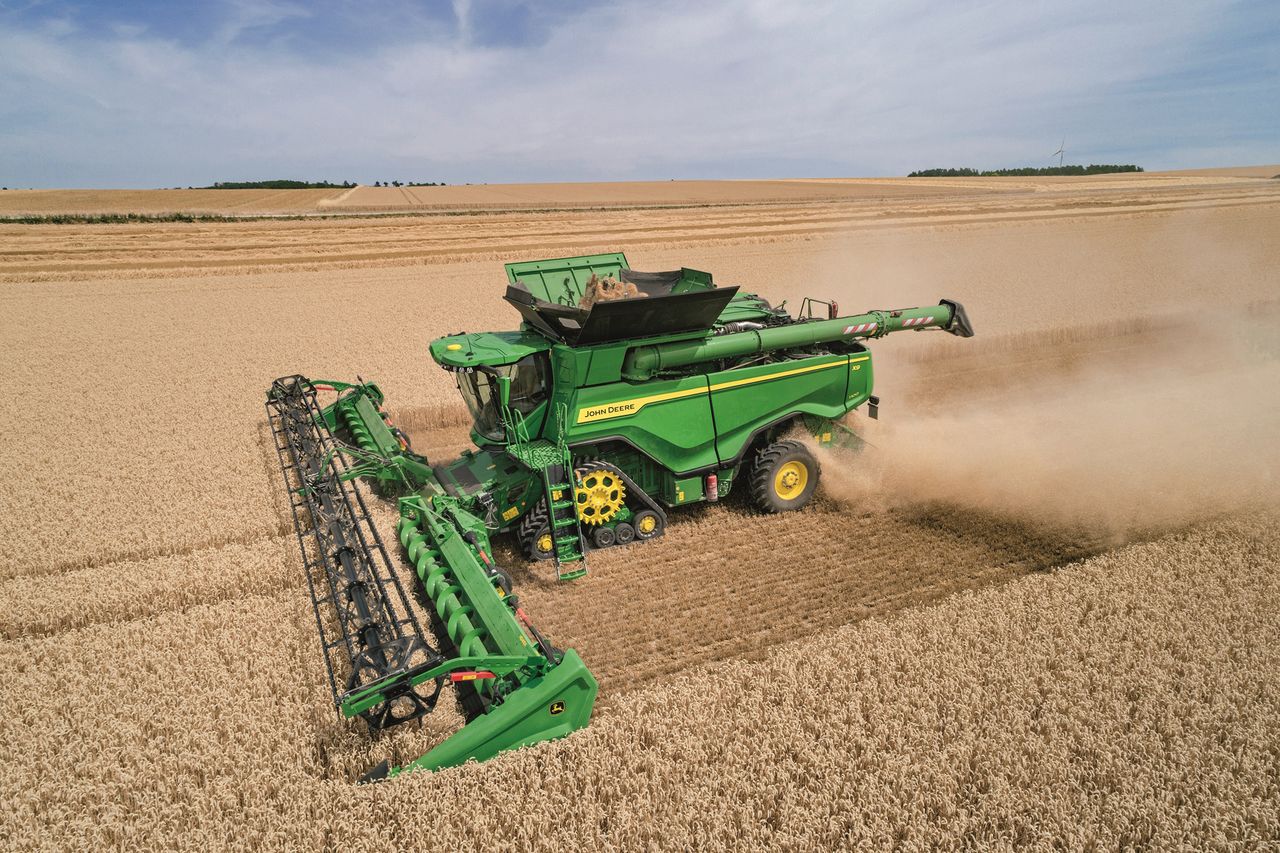
The total output value for field crops increased by 0.3% in 2025 to £89 million.
The value of output for cereals increased by 10% to £42 million whereas the value of output for potatoes decreased by 16% to £28 million.
The value of output for other crops increased by 10% to £19 million.
Output values for field crops are across a calendar year and include production from two harvests.
The value of output recorded in the horticulture sector was lower year-on-year for 2025, at £85 million.
Mushrooms are the main contributor to this sector in value terms with an estimated output value of £41 million.
Payments and inputs
The estimated value of the 2025 direct payments (Basic Payment Scheme, Young Farmers’, Beef Carbon Reduction Scheme and Suckler Cow Scheme Payments) was £303 million.
This represented a decrease of 1% when compared with the 2024 payments.
The total value of Gross Inputs increased by 2% in 2025, to £2.18 billion.
Feedstuffs costs, which accounted for 55% of the total Gross Input estimate, decreased by 0.1% to £1.19 billion in 2025.
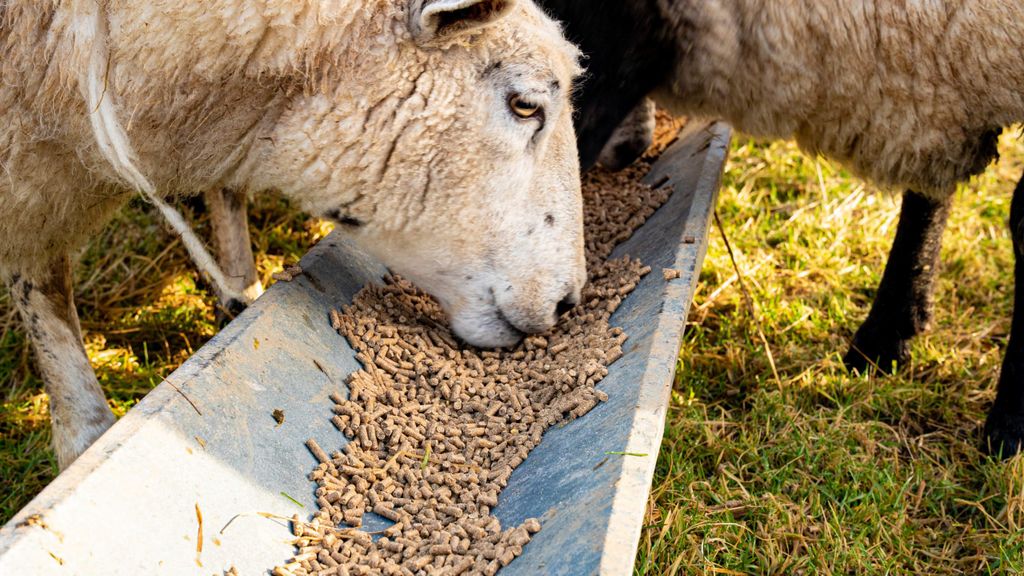
There was a 6% increase in the volume of feedstuffs purchased and a 6% decrease in the average price paid per tonne.
The total cost of fertilisers in 2025 increased by 33%, with a 20% increase in the volume purchased and a 10% increase in the average price paid per tonne.
There was also a 19% rise in the value of total lime purchases, with the result that total expenditure on fertilisers and lime increased by 32% to £133 million.
Total machinery expenses increased by 1% to £212 million in 2025, as a result of a 5% increase in the cost of repairs, partially offset by a 3% decrease in the cost of fuel and oils.
Farm level incomes
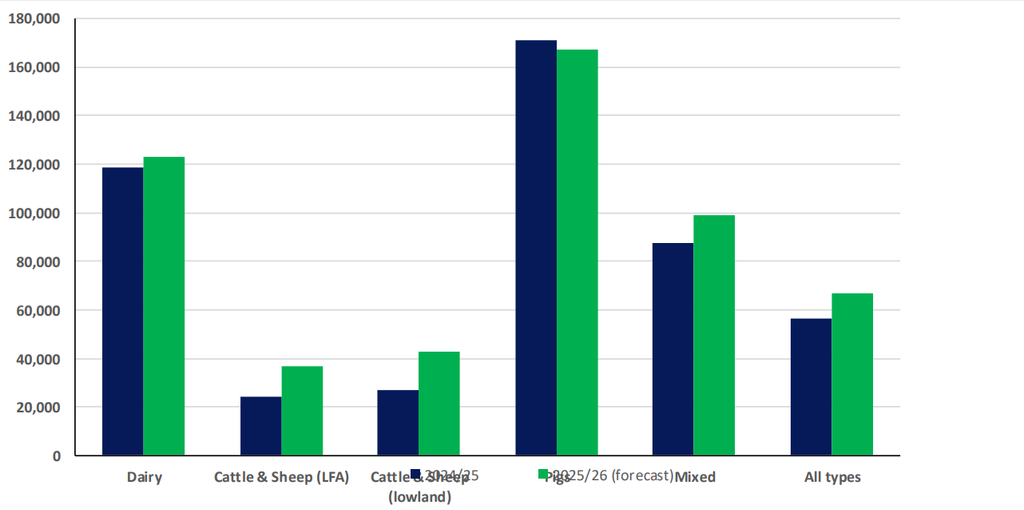
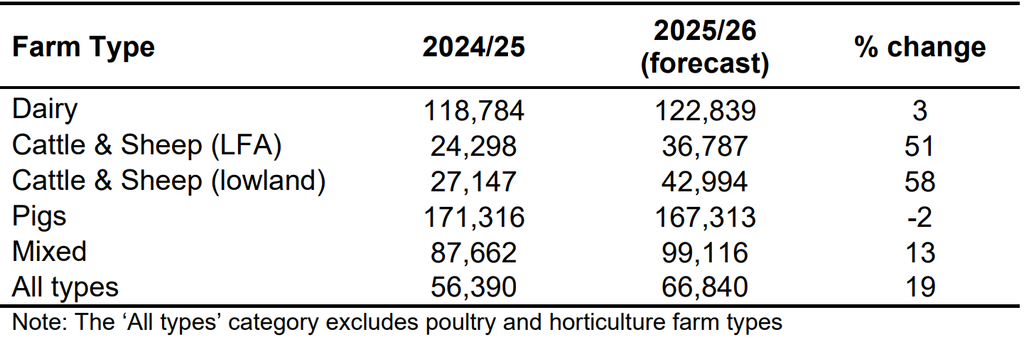
Farm Business Income by farm type for 2024/2025 with forecasts for 2025/2026 are outlined below.
These income results are based on farm accounts collected as part of the Northern Ireland Farm Business Survey (FBS).
This is a representative sample of farms larger than 0.5 Standard Labour Requirements.
The income figures presented are for accounting years with an average end date of mid-February whereas the Aggregate Agricultural Income measure (Total Income from Farming) is compiled on a calendar year basis.
This difference in accounting year periods can result in differences between the level of income change between years shown by each measure as is the case this year when milk prices were substantially lower during January and February 2026 when compared to January and February 2025.
Farm Business Income measured across all farm types is expected to increase from an average £56,390 in 2024/2025 to £66,840 in 2025/2026, i.e., an increase of £10,450 or 19% per farm.
Farm Business Income is also expected to increase (by varying amounts) for dairy, cattle and sheep (LFA), cattle and sheep (lowland), and mixed farm types between 2024/2025 and 2025/2026.
For these farms, the upturn in their incomes is attributable to more favourable beef prices in the 2025/2026 year, according to DAERA.
Whereas, Farm Business Income for pig farms are expected to fall by 2% due to lower pig prices in the 2025/2026 year.
DAERA Minister
DAERA Minister Andrew Muir has welcomed the increase in farm incomes for 2025.

Minister Muir said: “This increase is due to strong market demand for Northern Ireland produce both in terms of price and volume.
"Farm level income estimates also show that increases are expected across most farm types.
“The agriculture sector as a whole performed strongly in 2025 with high prices for most commodities particularly milk, beef and pigs.
"While these results are positive, I recognise that market prices have fallen considerably in 2026 while input costs have risen with an uncertain outlook for the period ahead."
The minister acknowledged that market developments are outside the control of DAERA but that volatile markets highlight the importance of the Sustainable Agriculture Programme (SAP).
The programme is designed to improve the resilience of farm businesses and help withstand shocks that are beyond their ability to manage effectively.
It also encourages businesses to become more environmentally sustainable and efficient.