What impact could bluetongue have on calf exports next spring?

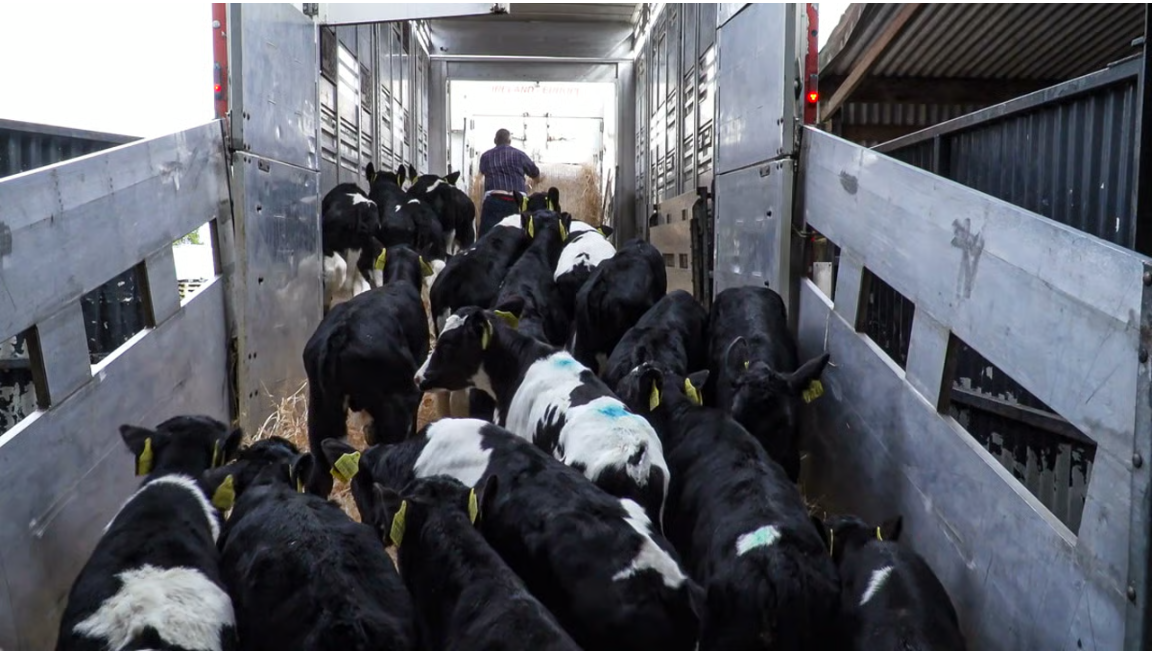
In light of recent cases of bluetongue identified in Northern Ireland, the risk of a case being identified in the Republic of Ireland has increased.
While no bluetongue cases have been identified in the Republic of Ireland to date and Irish farmers will be hoping this remains the case, the risk of an outbreak here still remains high.
Agriland recently asked the Department of Agriculture, Food and the Marine (DAFM), in the event of a bluetongue outbreak in the Republic of Ireland, what implications this would have for cattle exports and what movement restrictions would be put in place for livestock.
Responding to the query, a spokesperson from the department said that in the event of a confirmed outbreak of bluetongue in Ireland, livestock trade with other EU member states "would be subject to strict additional measures".
According to DAFM, these additional measures would include:
- Additional quarantine;
- Serological or PCR testing;
- Vaccination against the relevant serotype of bluetongue, or set animal age limits.
DAFM also said that exports of livestock to third countries "generally require a 12- or 24-month country freedom from bluetongue without providing options for mitigating measures in the event of a confirmed outbreak."
DAFM explained that in the event of an outbreak of bluetongue occurring in Ireland, "control measures would need to be introduced to try and eradicate the disease".
The DAFM spokesperson said: "Restriction zones may be established around the affected premises which would extend for a minimum of 20km in radius, with the introduction of movement controls for susceptible animals.
"Movements of animals outside of the restriction zone would require a department [DAFM] licence and be limited to movements of animals directly to slaughter and for limited welfare reasons."
While it is hoped the Republic will remain bluetongue-free, an outbreak would have major implications for the trade and movement of cattle, in particular, in the regions surrounding where a case was identified.