What benefits can larger pig farrowing facilities bring?

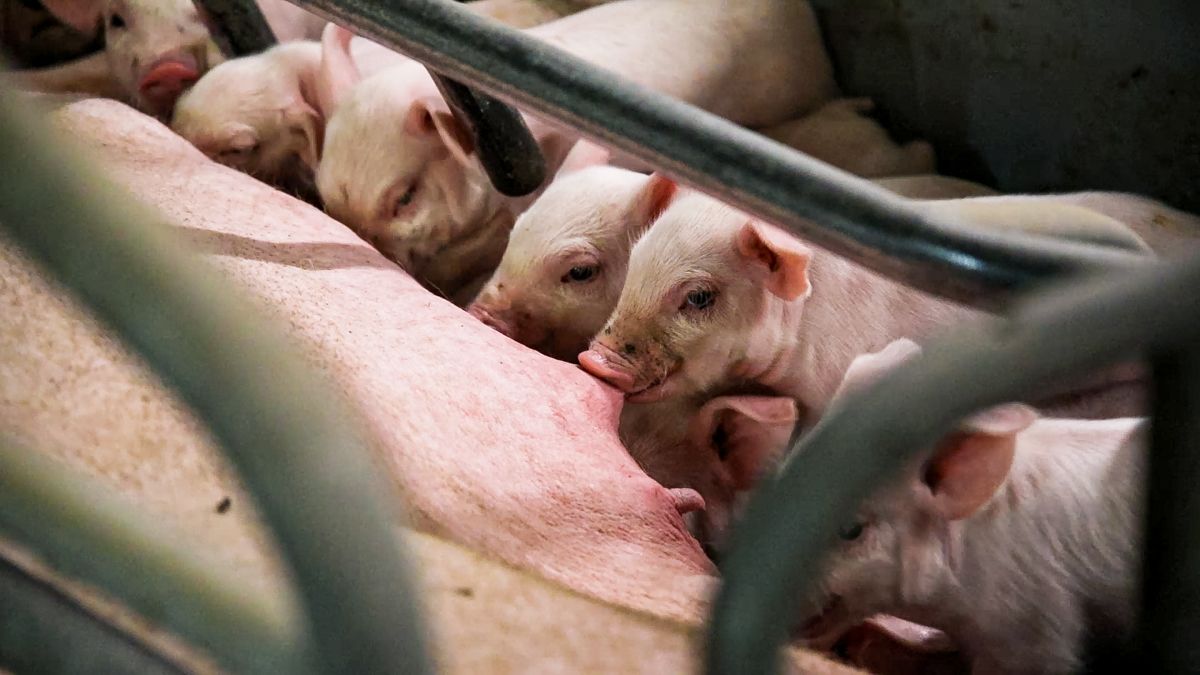
Larger pens that allow sows to remain loose during post-farrowing led to higher weaning weights, according to Teagasc.
Moorepark's Pig Research Facility converted four rooms with 28 conventional farrowing pens into one room with 24 larger alternative pens.
This system allowing sows to remain loose while providing the option of confinement during early lactation and management.
Teagasc Walsh Scholar responsible for researching sow health and welfare, Alan Foley explained that the new pens measure 6.25m2.
He said: “The locking mechanism is currently used to confine sows from one day before their farrow due date until four to seven days post-farrowing.
“After this time, the sows are loose for the remainder of lactation."
According to Foley, challenges are often encountered during the transition to alternative housing or management systems so this period was monitored carefully by farm and research staff.
This enabled specific problems to be identified (e.g. poor location of a resource) which could be addressed for the next batch of sows.
The table below outlines the performance and changes made to the pens and management procedures across several trial batches.
| Batch | Problems identified | Changes implemented | Born alive | Mortality (%) | Weaned per sow | Weaning weight (kg) |
| Conventional | 17.5 | 16.8 | 14.3 | 8.7 | ||
| Alternative Batch 1 | 17.7 | 35.8 | 11.4 | 9.5 | ||
| Alternative Batch 2 | Water bowl obstructing the sow when she lay down in the crate | Water bowls repositioned in the pen | 16.2 | 20.7 | 12.7 | 9.2 |
| Piglets not using the creep area | Piglets trained by locking them in the creep during sow feeding (from day 1-3 post-partum) + shredded paper to encourage piglets to use the creep | |||||
| Alternative Batch 3 | 17.6 | 28.6 | 12.5 | 9.5 | ||
| Alternative Batch 4 | 17.3 | 28.9 | 12.7 | 8.7 | ||
| Alternative Batch 5 | Piglets being trapped between the sow and the walls of the pen when crate was opened | Additional anti-crushing bars installed along the pen walls | 18.7 | 22.7 | 13.4 | 9.6 |
| Alternative Batch 6 | Sows crushing piglets while sitting down when enclosed in crate | Breaker bars installed in crate + crate repositioned diagonally in the pen to be closer to the creep area | 18.6 | 29.2 | 13.1 | 9 |
Weaning weights
The move has had a positive impact on weights.
Foley explained: “So far, litters are achieving higher weaning weights (+300g) in the alternative farrowing system when compared to the conventional crate system, albeit with lower numbers of pigs weaned.
“Initially there was a reduction of about three pigs weaned per sow compared to the conventional farrowing crates, but this gap has been reduced over time."
While mortality was high throughout the piglet stage in the new farrowing system, the largest increase was in the first 24 hours post-farrowing/prior to processing, rather than after opening the crate.
Foley said that this reflects deficiencies in the design of the alternative farrowing pen farrowing crate, which was originally designed for sows to be loose during farrowing and confined during early lactation.
He added: “The design of temporary crates should retain the features of conventional crates if used during farrowing, as these developed over many years to successfully protect piglets from the risk of crushing during the early post-partum period.”
Piglet development
Camille Ducrue, the Walsh Scholar following piglet development, explained some of the adjustments introduced to the farrowing pens.
She said: “When the sow is crated, the creep area should remain easily accessible from the nursing area, and the heat pads should be maintained at approximately 30-35°C to encourage piglets to seek warmth in the creep rather than near the sow, thereby reducing the risk of crushing.
“Positioning the crate close to the creep, or creating a paper trail toward it from the sow, can encourage piglets to use it.
“Another effective strategy is temporarily locking piglets in the creep while the sow eats during the first week post-farrowing.”
According to Ducrue, this teaches the piglets to rest in the creep rather than next to the sow.
Sow health advice
On the sow side, Foley highlighted the importance of system choice.
He said: “As seen with our experience, many adjustments had to be made to utilise this free farrowing pen to suit temporary crating.
“This shows the importance that comes with deciding on your system design and working alongside the manufacturer to ensure it will be the best system for your sows and piglets.
“Pay close attention to how sows will use the area, such as preferences for certain floor materials, as well as the piglets’ access to heat sources.”
According to Foley, Moorepark’s experience with the alternative farrowing pens demonstrates the importance of well-designed equipment and housing when aiming to successfully transition away from permanent crating of sows during lactation.
He said that the data collected over the past six months provides a picture of the type of challenges that can be expected when starting to use temporary farrowing crates.
“These initial practical insights may offer a reference point for farmers to avoid similar challenges when making the change.
“Importantly, careful monitoring of each batch enables specific problems to be identified and dealt with on a step-by-step basis.
“Any design must also suit the needs of staff," Foley said.
Teagasc would like to hear what opinions and concerns producers may have with alternative farrowing systems.
If you would like to get involved with this research, please contact Alan Foley via the Teagasc website or through your Teagasc adviser.