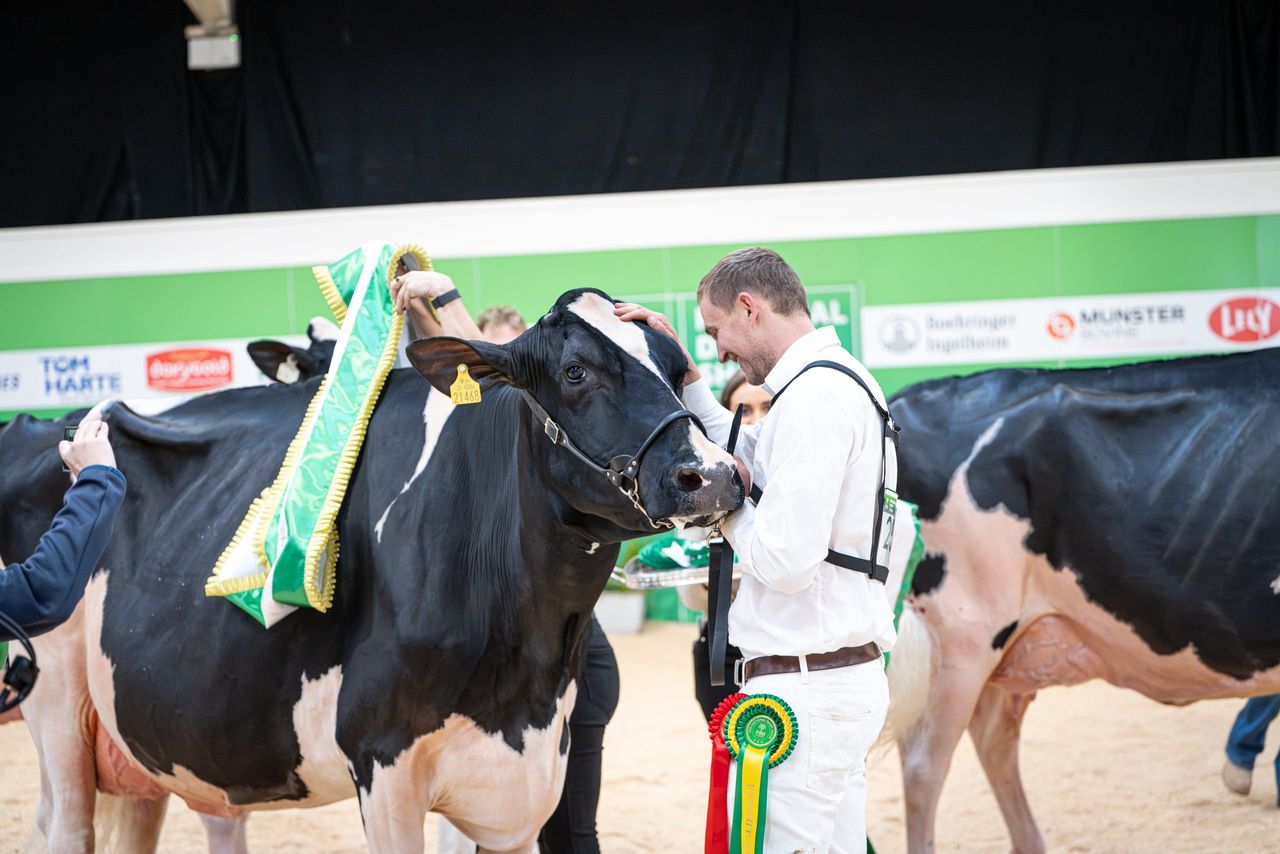
Are smaller cows better for the environment?

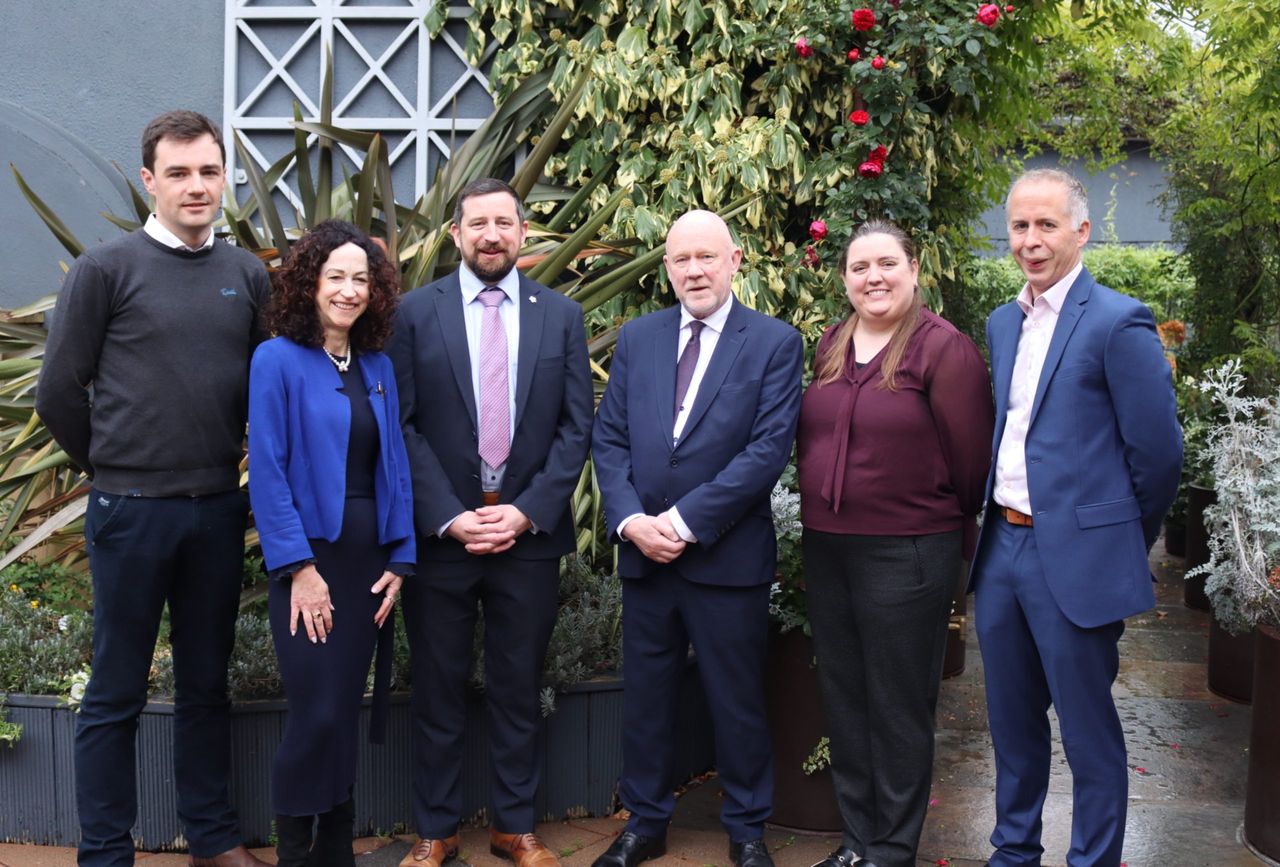
VistaMilk held a methane summit in the Midlands Park Hotel in Portlaoise during the week, with over 200 industry members in attendance.
The summit, titled 'Innovation is changing the methane conversation in Irish farming', discussed the current situation regarding methane and the latest research updates which may shape the future of Irish agriculture.
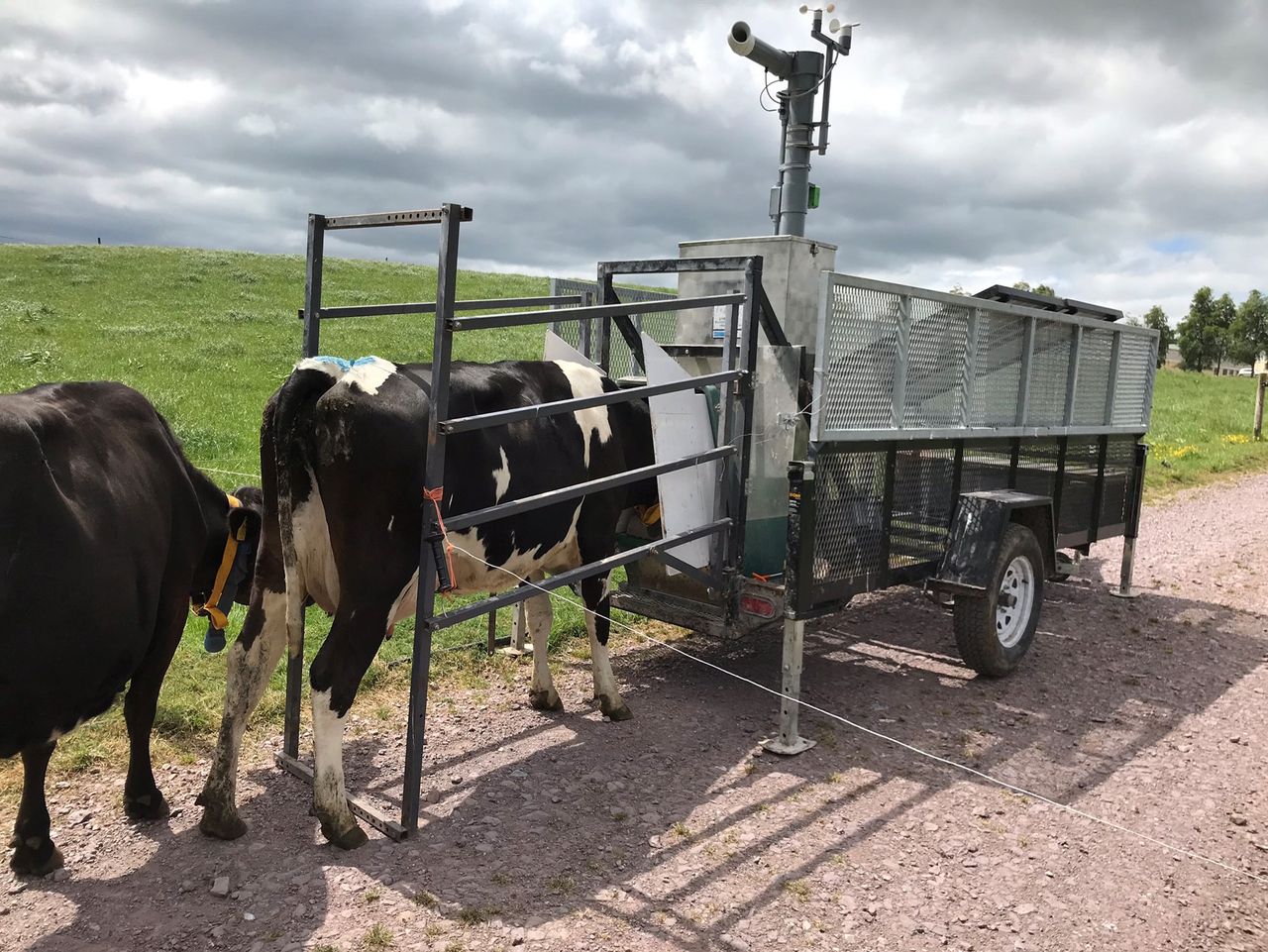
Methane reduction strategies discussed on the day ranged from breeding and pasture management to new technology and even additives.
Dairy herd
According to research presented on the day, the average dairy cow produces 317g/methane/day.
However, this varies largely, with studies showing the bottom 10% of cows only produce 232g/methane/day, while the top 10% of cows are producing 412g/methane/day.
This 180g/methane/cow/day variation depends on a number of factors, from the studies themselves to dry matter intake, animal liveweight, milk production, and age.
The research shows that when it comes to liveweight, every 10kg of liveweight equates to an additional 3.9g/methane/cow/day.
The following cows sizes are expected to produce the approximate levels of methane in g/methane/cow/day.
| Weight | Methane production |
|---|---|
| 457kg | 300g |
| 520kg | 320g |
| 550kg | 338g |
| 613kg | 360g |
When it comes to dry matter (DM) intake, every extra 1kg of DM fed to a cow equals an additional 8.1g/methane/cow/day.
For example, a cow being fed 10.9kg of DM should produce 270g/methane/cow/day, while a cow being fed 23.3kg of DM is expected to produce 360g/methane/cow/day.
Milk production also correlates with methane production, as every 0.1kg increase in milk solids (MS) equates to an increase of 5.5g/methane/cow/day.
Methane production also rises with each lactation; however, it was noted that first lactation heifers are less efficient in terms of feed conversion as they need energy to grow, hence the importance of having a balanced herd.
However, one speaker noted while larger cows in general are not an issue, larger cows that are not performing to their ability are.
Methane reduction
Strategies to reduce methane were also discussed during the summit.
One area which is reducing methane while boosting farm profitability is grassland management.
Crops such as white clover and multispecies do increase methane production on a daily basis.
However, it was noted that when the reduction in chemical fertilisers and earlier kill-outs of beef and sheep is considered, the overall reduction in farm gate greenhouse gasses is actually reduced.
Another way of reducing methane is through breeding.
It was noted that by breeding off the 10% of lowest methane producers, methane could be reduced by 29.3g/cow/day or 10.7kg/cow/year.
Meanwhile, culling the top 20% emitters could reduce the average methane produced per cow from 321g/day to 307g/day.
In a way, farmers already are breeding for methane reduction, because breeding for efficiency indirectly breeds for methane reduction.
Breeding is a relatively slow process, as we always have to wait for the duration of the pregnancy, and for the progeny to grow.
However, five to 10 years down the road, the return will be worth it, especially if we have already exhausted other methods.
Concerns
Some attendees did voice their concerns on the day with Ireland's approach to tackling methane reduction.
One attendee referred to a question asked by Deputy Michael Fitzmaurice in the Oireachtas a number of years ago, regarding the effect on the planet's temperature if all livestock were to disappear tomorrow.
The attendee said that the Oxford professor which was asked the question replied by saying over a 20-year period, the planet's temperature would drop by a few hundredths of a degree.
He added that considering only 5-6% of the worlds population of cattle is in Europe and the UK, if all the methane were to disappear from the continent, the effect on the planet's temperature would be miniscule.
Therefore, the attendee asked if all the research and work is realistic for the gains.
The speakers replied that "if we can not measure it, we can not understand it".
Another speaker noted how measuring methane can be seen as an efficiency tool rather than purely a climate aid.
It was noted that 63% of gross energy is lost through methane, therefore measuring it helps to improve farm efficiency while also aiding the environment.
Another speaker added that we can not dig our head into the sand when it comes to methane, as it is a potent gas.