Water scarcity linked to potential tripling of future wheat prices

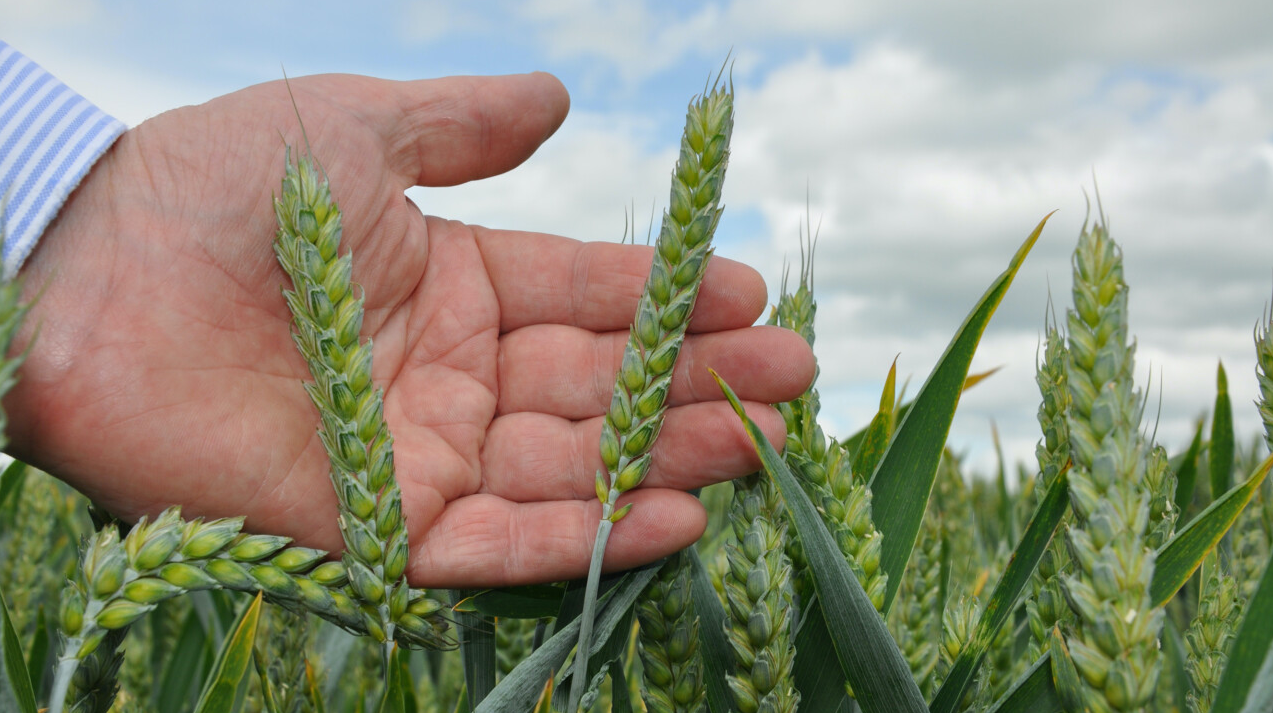
Water scarcity could triple international wheat prices during the period ahead, a new international study has concluded.
In essence, the study found that severe drought across the world’s wheat growing regions strongly drives global prices for the grain.
It also found that future climate challenges could make these drought-related price shocks far more frequent and extreme.
Specifically, the research shows that if the planet warms by around 3°C, average global wheat prices could rise to $364/t, roughly three times higher than the inflation‑adjusted price in 2010.
For farmers, traders, millers, and food manufacturers, the findings highlight a growing climate‑related risk to one of the world’s most important crops.
Wheat
Wheat covers more land globally than rice or maize.
It also supplies a major share of human calories and protein, and is one of the most widely traded agricultural commodities.
Much of the world’s wheat is grown under water‑limited conditions, making it highly sensitive to drought.
The research team involved in the study, which included scientists from Rothamsted Research, comprised specialists in the fields of climate science, agronomy, crop modelling, and food‑system economics.
They set out to answer the question: can drought across global wheat regions explain year‑to‑year changes in global prices paid for the grain?
To uncover this link, the scientists developed a new indicator called severe water scarcity (SWS).
It captures both short‑term and long‑term water deficits during the four months before harvest, when wheat is most vulnerable to moisture stress.
Water scarcity
Researchers mapped SWS across global wheat, maize, and rice production areas and compared the affected area with global commodity prices.
The clearest relationship emerged for wheat, with 74% of annual variation in global wheat prices (2000–2021) capable of explanation by SWS alone.
For maize, SWS explained up to 40% of price variability. For rice, no meaningful relationship was found.
The wheat model was built without using data from 2022–2024, yet it still captured the broad price levels and shifts during these turbulent years, providing a strong real‑world test.

Between 2000 and 2020, an average of 5% of global wheat land experienced severe water scarcity each year.
Moreover, in the major drought-impacted years of 2000, 2010, 2012, and 2020, more than 15% of wheat area was affected.
These spikes aligned with notable movements in global wheat markets.
Looking to the future, the SWS wheat model predicts that a 2°C warming of global temperatures could see average wheat prices reach US$273/t.
If the warming figure rises to 3°C warming, prices could rise to US$364/t: three times the inflation-adjusted 2010 price.