Gene editing gets further boost in UK

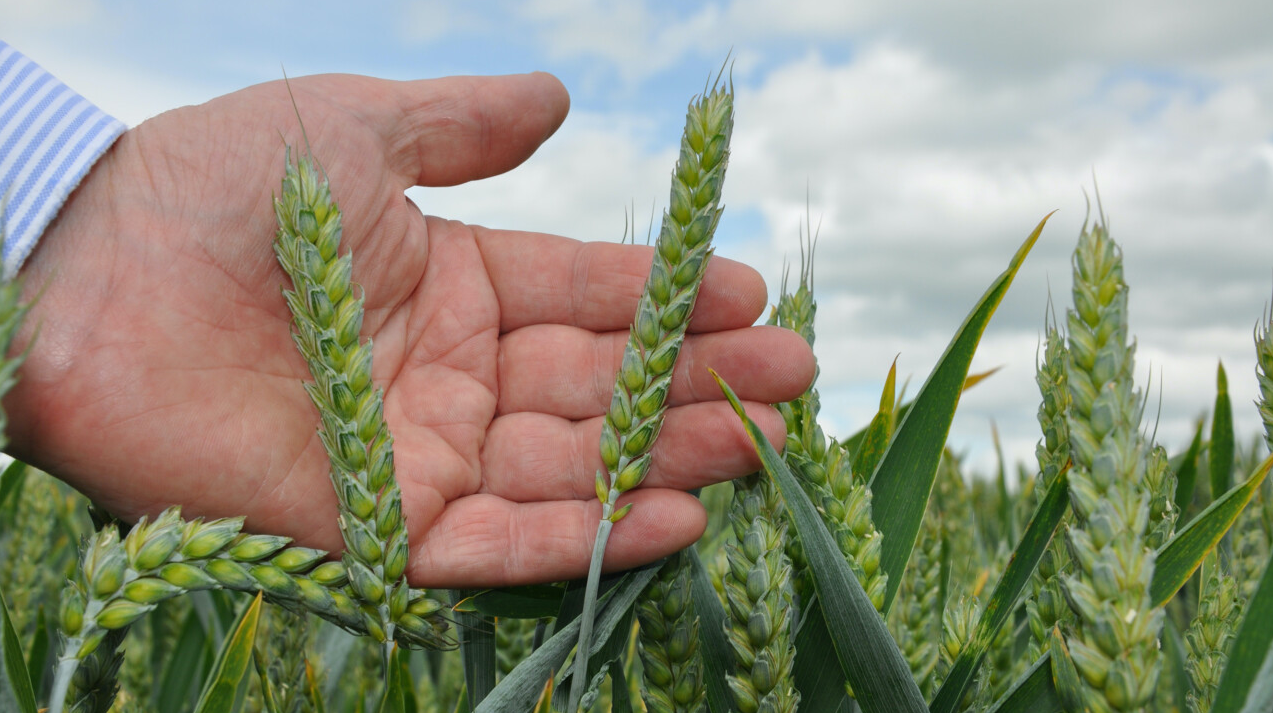
Rothamsted Research is claiming a boost for its gene editing development programmes concerning the "evolution" of new cereal varieties.
This follows the granting by UK regulators of "precision-bred" status for a new variety of low asparagine wheat.
This decision confirms that the wheat meets the criteria of a precision-bred organism under recently introduced UK regulations.
The wheat was developed using bespoke genome editing technologies to reduce concentrations of free asparagine, a naturally occurring amino acid that converts into acrylamide during baking, frying, roasting and toasting.
The precise genetic changes introduced into the plant genome reduced free asparagine levels by 59% over two years of field trials, without affecting grain yield.
Acrylamide
The development comes at a time of growing regulatory focus on acrylamide.
Current EU legislation sets benchmark levels for the chemical in food products, while new maximum limits are expected from the European Commission this year.
These changes are likely to affect the whole wheat supply chain across the EU and its trading partners, including the UK.
Rothamsted’s Prof. Nigel Halford commented: "Receiving this marketing notice is an important milestone, not only for this wheat but for the UK's new precision breeding framework.
“It shows how the Precision Breeding Act can enable innovation that delivers tangible public benefits.
“In this case, we can address a significant food safety challenge in a way that would have been difficult to achieve through conventional breeding alone.
"It will also be possible to maintain the performance that farmers need and helping the food industry prepare for a changing regulatory landscape."
The UK regulators' decision to grant precision bred status for the new wheat variety allows the crop to progress to being evaluated by the Foods Standards Agency for food and feed use.
The wheat is being studied within the Department of Food, Environment and Rural Affairs (Defra)-funded Platform to Rate Organisms Bred for Improved Traits and Yield (PROBITY) project, a three-year, £2.2m farmer-led initiative.
Approval, courtesy of this process, would allow the new wheat variety to be grown on a small number of selected farms and processed in real-world food manufacturing plants.
According to the researchers, by reducing acrylamide at source, precision breeding has the potential to restrict consumer exposure to this toxic contaminant without comprising food quality or how people prepare and eat everyday foods.