Veterinary education in focus as SETU launches strategic plan

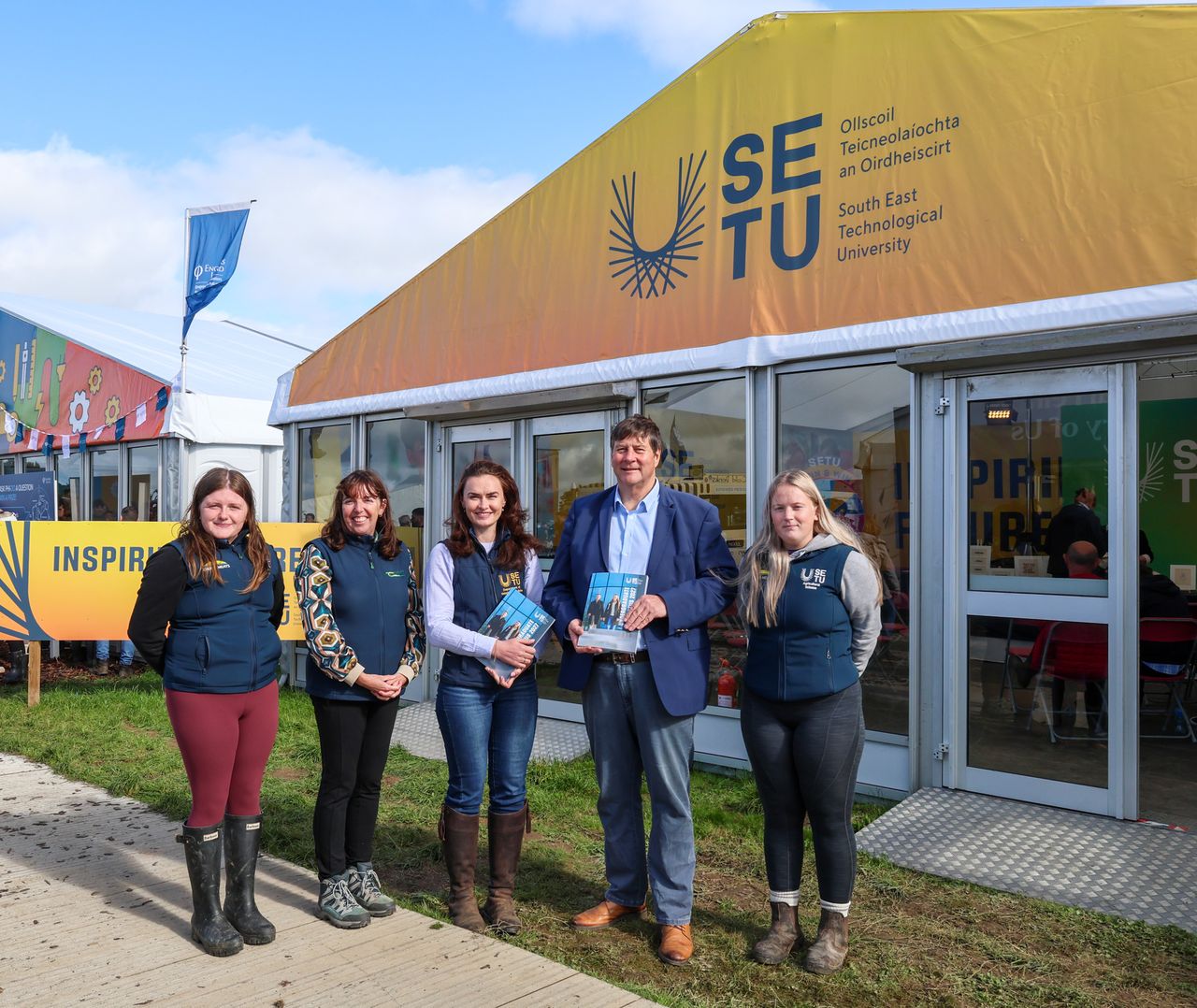
South East Technological University (SETU) has launched the first strategic plan for its Department of Veterinary Medicine.
This comes as almost 40 students commence the new Bachelor of Veterinary Medicine (MVB) programme.
Officially launched at the National Ploughing Championships this week, the plan sets out the department’s priorities for veterinary education, clinical training, research and engagement.
The priorities are underpinned by a One Health approach that recognises the connections between animal, human and environmental health.
A key ambition is to establish an internationally respected centre of expertise in veterinary education, clinical practice and pedagogical research, SETU outlined.

Dr. Mary-Kate Burke, head of the Department of Veterinary Medicine, said the plan will guide the department’s development as the new programme progresses.
“This strategic plan sets out our ambition to establish SETU’s Department of Veterinary Medicine as a recognised leader in veterinary education and research, while strengthening partnerships and contributing to the veterinary profession and wider region," Dr. Burke said.
“At its heart is a commitment to producing work-ready graduates and advancing One Health, sustainability and animal welfare.”
Veterinary programme
The veterinary programme has been developed to prepare graduates for professional practice, with the curriculum aligned with the standards and expectations of the Veterinary Council of Ireland, the European Association of Establishments for Veterinary Education, and the Royal College of Veterinary Surgeons.
Clinical education will use a distributed training model involving veterinary practices and other clinical settings.
SETU said such an approach reflects the range of veterinary practice in Ireland while supporting the development of work-ready graduates.
The department also plans to develop postgraduate and advanced programmes in veterinary medicine-related fields, as well as an apprenticeship programme for registered veterinary nurses.
Research priorities include building veterinary and interdisciplinary capacity across SETU and with external partners, including in One Health.
The plan sets a target of establishing at least four formal scientific or clinical research partnerships by 2028.
Research ambitions
Dr. Laurence Fitzhenry, head of Faculty, Science and Computing (Waterford), said the strategy connects the department’s development with SETU’s wider research and innovation ambitions.
“Veterinary medicine adds an important dimension to the expertise we already have across science, pharmacy, land science and computing," Dr. Fitzhenry said.
"Bringing these disciplines together creates opportunities to address connected challenges in animal, human and environmental health, in collaboration with partners in the profession, academia and industry.
"By connecting veterinary expertise with our existing research strengths, we can build research capacity and postgraduate opportunities that support veterinary education, clinical practice and the needs of the profession."