Turf cutting cessation scheme included in NRL supports estimates

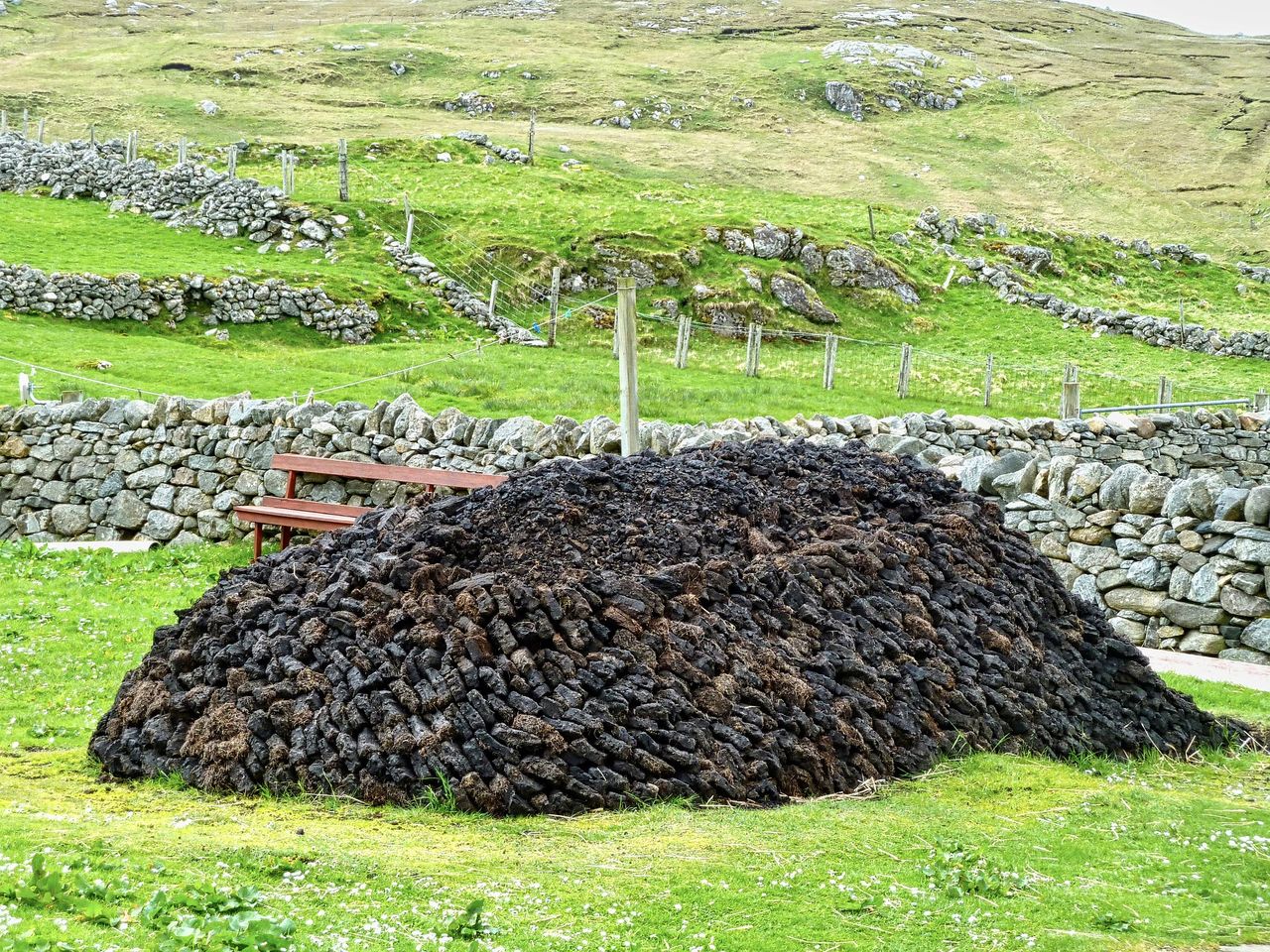
Payments under the Cessation of Turf Cutting Compensation Scheme (CTCTS) are included in estimates of supports to be paid to stakeholders to meet targets under the Nature Restoration Law.
That's according to the government's draft Nature Restoration Plan, which was published this week.
Obligations and measures under the Nature Restoration Law could see almost €7 billion paid to stakeholders by 2032, according to the plan.
However, the plan does not outline any new specific funding stream or measure, and makes several references to schemes and programmes already underway.
It should also be noted that the estimated financial support to stakeholders affected by restoration measures or new obligations arising from the law to 2032 - which the plan has down as €6.94 billion - is a 'best estimate'
The plan states that financial support for stakeholders already exist in Ireland across the types of ecosystems covered in the Nature Restoration Law.
One of these is the CTCCS, which compensates landowners and turbary rights holders affected by restrictions on turf cutting in special areas of conservation (SACs) and natural heritage areas selected for raised bog habitats.
The scheme comprised a payment of €1,500 per year, indexlinked, for 15 years or, where feasible, relocation of turf cutters to non-designated bogs where they could continue to cutturf.
Although payments under the scheme are included in the figure of Nature restoration funding for the period 2024 to 2032, the scheme officially closed to new applications generally in 2024.
However, some applicants continued to be accepted after that point. As of summer 2025, some 530 application were being processed, on top of the 2,200 participants already in the scheme
Other measures included in the estimates to 2032 include financial support for forestry stakeholders, which, according to the draft plan, aims to incentivise voluntary participation with the schemes and associated measures.
Schemes mentioned in this part of the plan include the Afforestation Scheme and the Native Woodland Conservation Scheme.
The plan says that other schemes offer focused payments for ecosystem services.
It adds that future supports depend on subsequent forestry programmes, with the level of support dictated by those plans.
Apart from that, the estimate of financial support to 2032 includes the National Parks and Wildlife Service (NPWS) Farm Plan Scheme.
However, the plan states that, due to the nature of the scheme and its rotation of multi-year contracts, the exact number of participants fluctuates annually, but maintains an average of around 500 active participants, covering around 15,000ha.
Despite outlining all these schemes and an overall estimate to 2032, the plan states that final financial requirements "may vary significantly".
The plan also outlines estimates for stakeholder support to 2050, with a best estimate of around €21.4 billion.
However, due to to longer team frame, the breakdown of this amount is less detailed, and also relies on some measures that are already place.
Afforestation, native woodland and ecosystem services are again included in this longer-term estimate.