Ireland v England: How did the grazing season compare

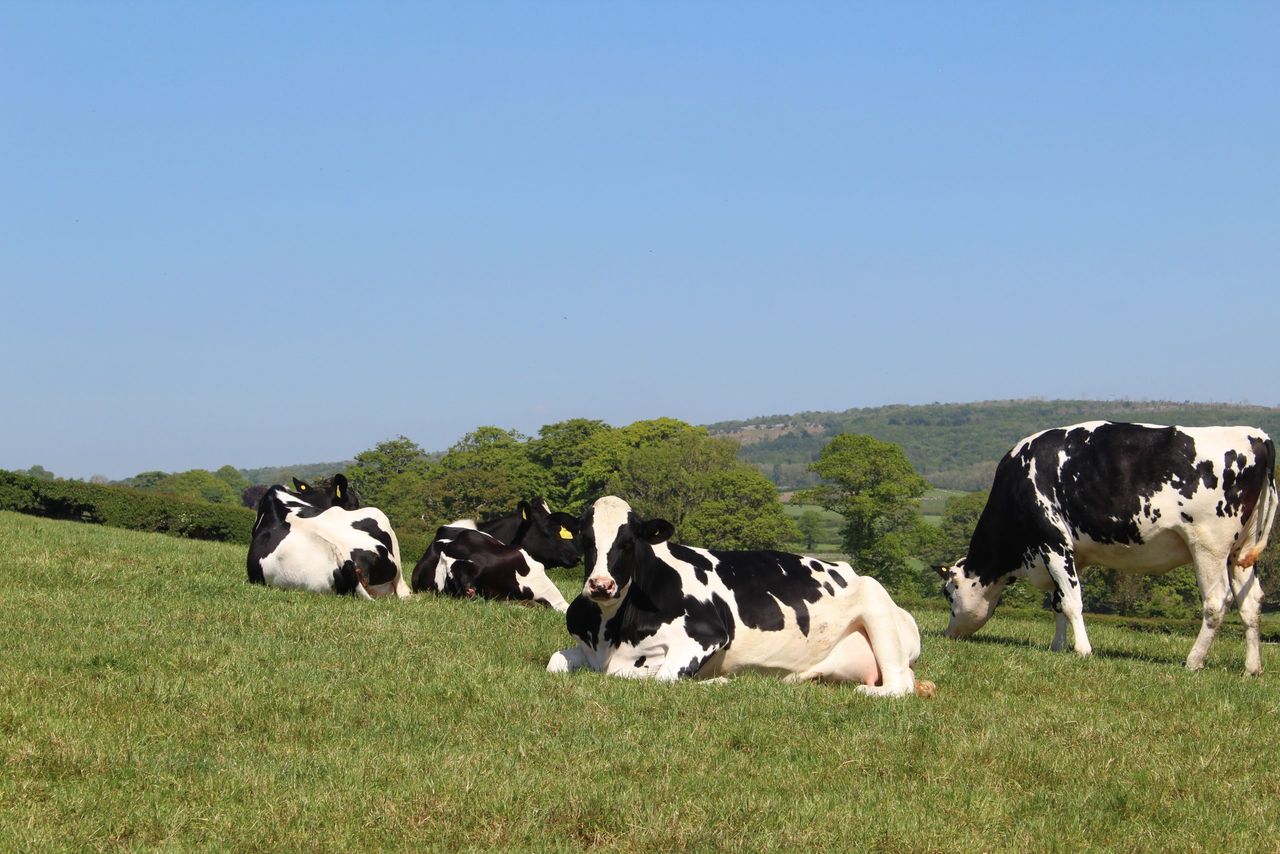
This year's grazing season was by no means straight-forward, between a messy spring and then a six-week-long drought.
Thankfully, the good back end to the year took some pressure off, but the full effects of the weather were well felt on farm by that stage.
This highlights the importance of building contingency measures into each farm system to combat challenging years in the future.
At the Teagasc National Dairy Conference in Little Island Co, Cork, the audience heard from an English and an Irish farmer, both of which had been heavily affected by this year's weather - but in different ways.
Weather challenges
John McAuliffe travelled from Kiskeam in Co. Cork to share his experience with this year's weather challenges to conference attendees.
McAuliffe, who is milking 80 cows on a 33ha block, delivered 471kg of milk solids at 4.35% fat and 3.82% protein to his co-op, Kinisla, in 2025 off 1.2t of meal.
He is based 750ft above sea level and sees 1,500-1,600mm of rain annually.
The farm is a heavy soil block, so it did not feel the full effects of the drought which many farms across the south-east had experienced.
However, the shoulders of the year generally bring their own array of issues.
McAuliffe aims to get cows out to grass in mid-to-late February, however that is always weather dependant.
He operates a once-a-day milking system in February to take pressure off labour so they can focus on calf health and getting cows to grass.
Then milking resumes twice-a-day in March, with all calves on the ground by the last week of March.
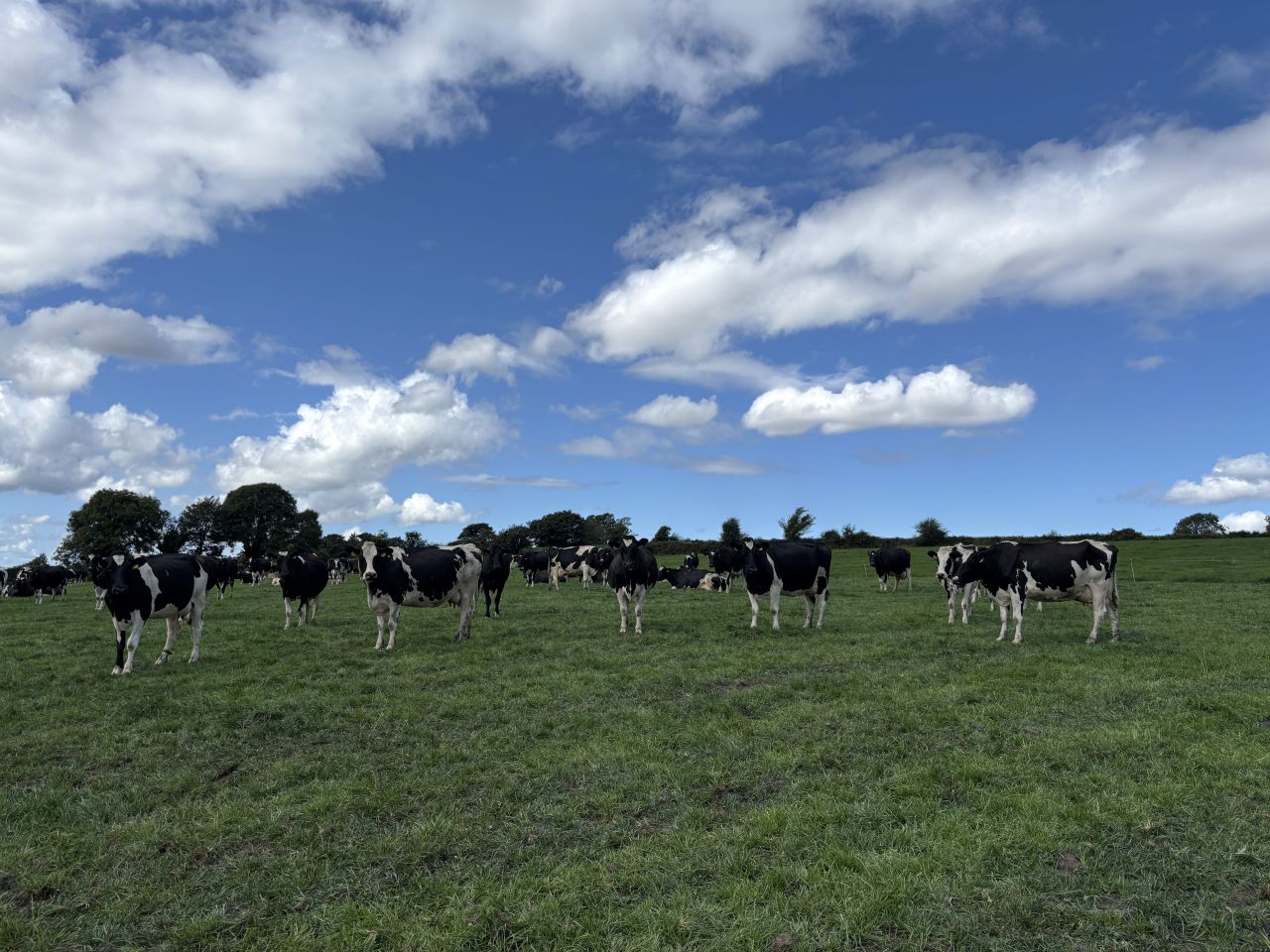
McAuliffe said grass is a key focus for him, detailing that he has no problem growing it, but utilising it can be an issue.
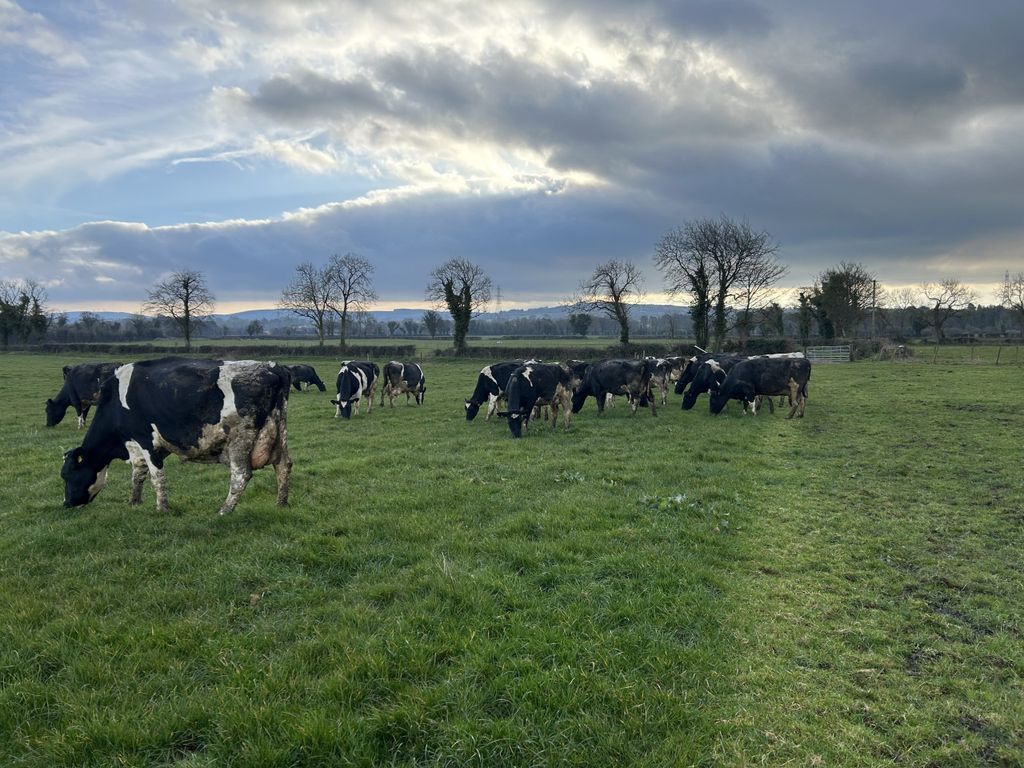
He highlighted that if the weather even allows cows out for one to three hours, they will be out.
He averages 12.5-13t of dry matter (DM)/ha, which is grazed over 265 days.
The farm's soil is slow to heat up and is often waterlogged in the shoulders, which means grass can be slow to get going.
However, once it gets going, it holds moisture in the summer, with McAuliffe stating the lowest growth rates they saw during the drought was 45kg DM/ha.
He said his mother used to joke that when the rest of the country is praying for rain, the morning dew would do them.
To combat the difficult shoulders, McAuliffe has invested in grazing infrastructure since coming home to farm in partnership with his parents in 2022.
To access grass in tricky conditions, he has invested in roadways, installed multiple gaps, added spur roadways, something which he outlined does not need to be any larger then the width of one cow.
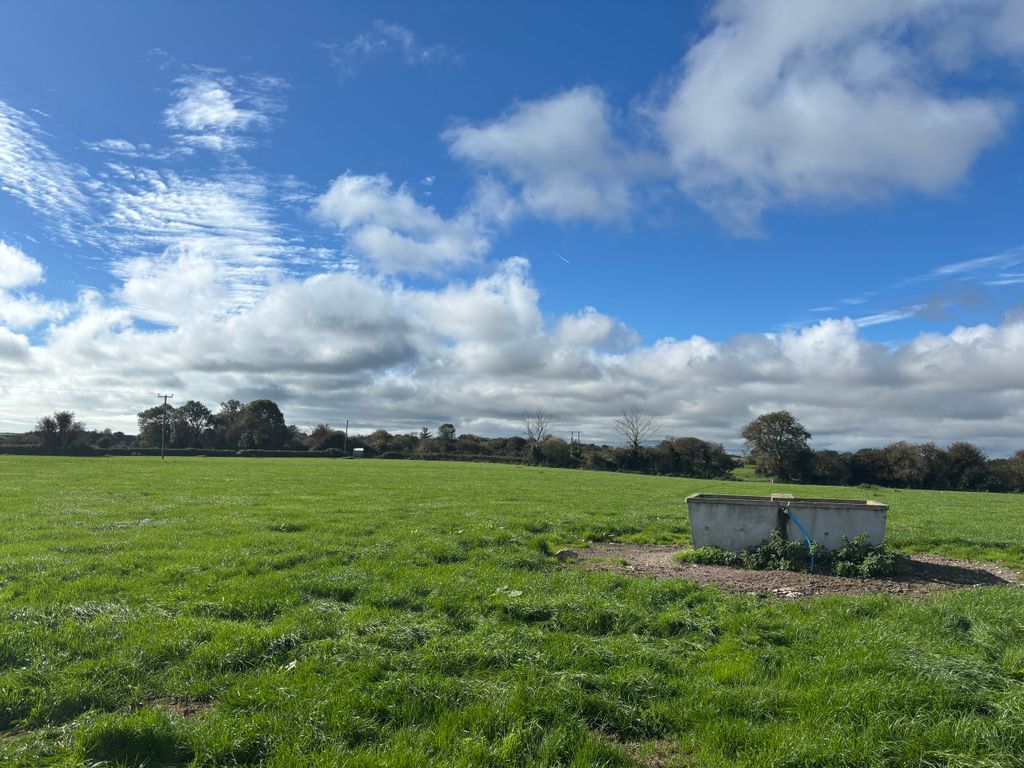
He has also moved all the farm's water troughs away from passageways and gaps, installing them in the middle of his fields.
McAuliffe said he reckons every farmer should buy five or six new troughs each year and find somewhere to put them, stating that they are a great investment.
He also shared that he gets a contractor in with quads to spread fertiliser in the spring, and focuses on soil fertility by regularly soil testing and lime spreading.
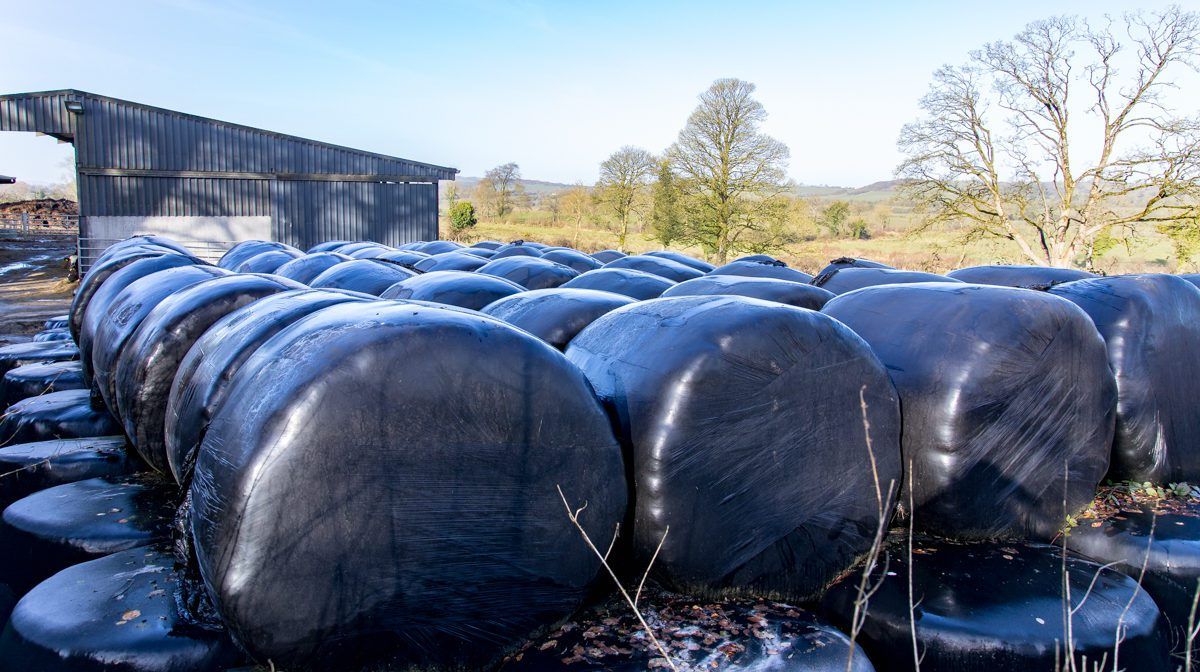
McAuliffe puts a strong focus on producing high quality silage early in the year which helps him over those tricky shoulders.
UK drought
Across the water in the heart of England, Matt Pilkington's shared his experience from his four milking platforms across Warwickshire and Northamptonshire.
Pilkington is farming 1,500 head of LIC-bred dairy stock, as well as operating a youngstock rearing unit comprised of approximately 750 head.
Three of his four dairy units are spring calving systems, while one is an autumn calving herd.
Overall, he is farming 2,200ac, leaving him with a stocking rate of 2.1 cows per acre.
He pumps out 9.2m litres of milk annually at an average of 530kg of milk solids per cow, which is supplied to Arla under a retail-aligned contract.
He averaged approximately 52 pence per litre (p/L) last year, but that has dropped to an average of 32p/L this year.
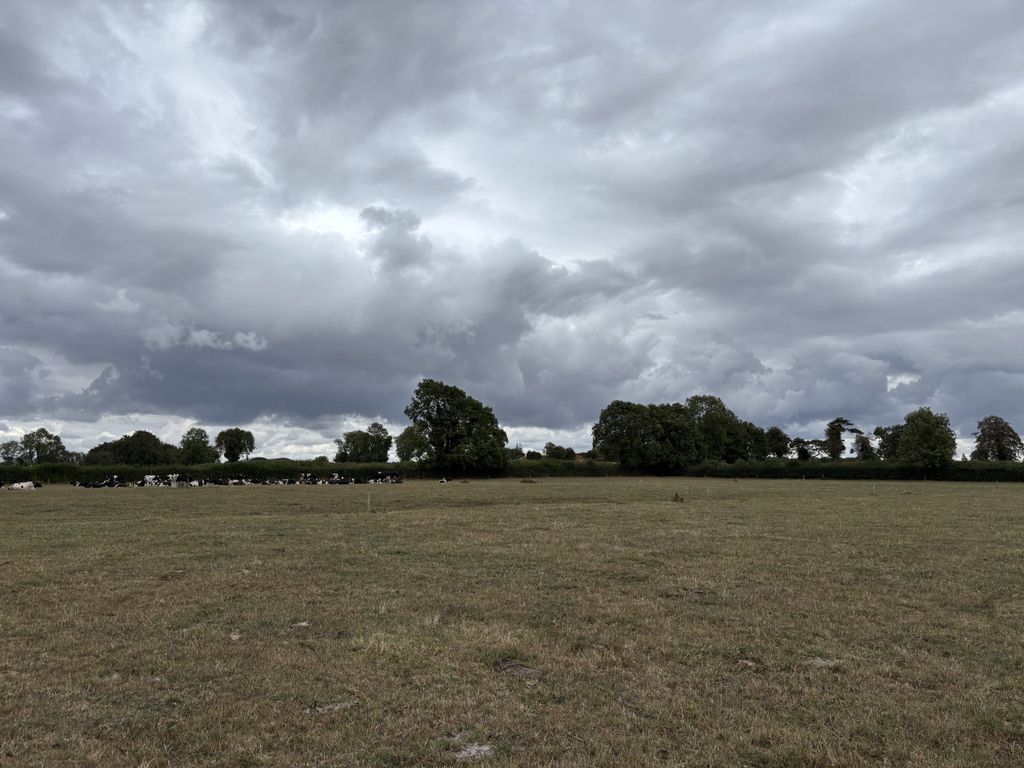
Pilkington said this coupled with cost of drought has made cash flow very tight.
He told the audience how he grew 13t of grass in 2024, but that average has been back to 8-9t across both 2025 and 2026.
This leaves him with a 'huge feed gap' to fill in the July-August period, with an additional 600kg of concentrates being fed.
To combat the droughts, Pilkington has put a massive focus on creating high quality silage.
He aims to cut his out farms four times a year, with the first cut in mid-April, followed by a second cut towards the end of May, a third cut before the drought in July, and finally a fourth cut in September.
He said he knows the farm will go dry at some time, so the focus is on getting as much high quality silage cut before then.
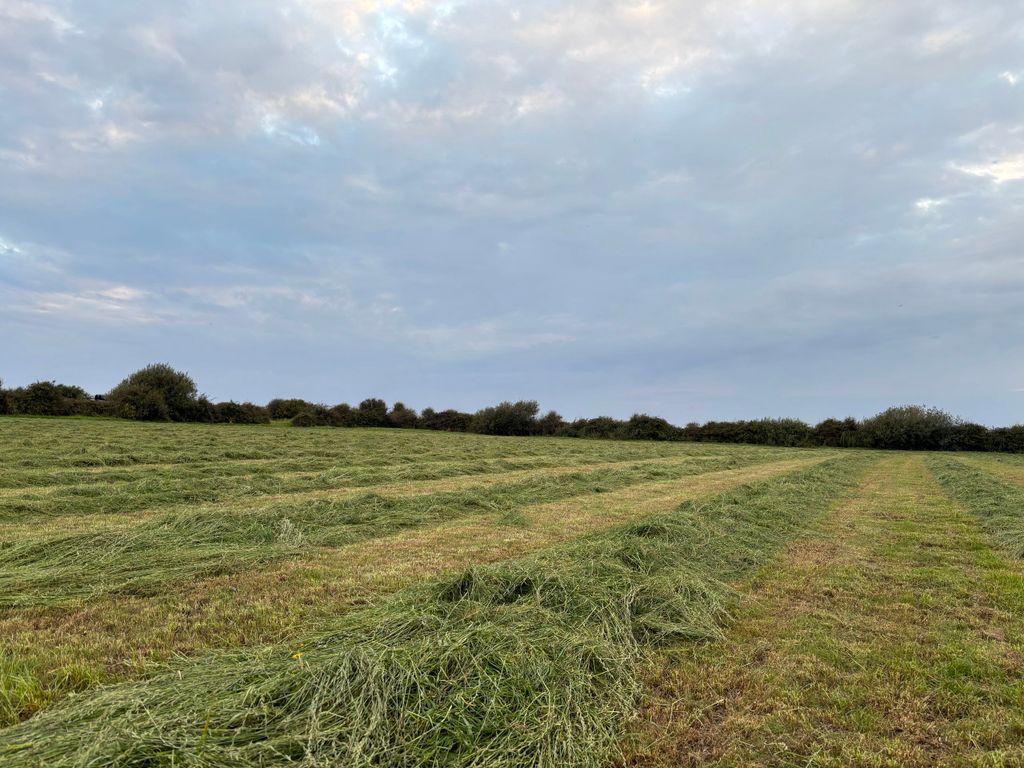
Pilkington said: "My ethos has always been, it's easy to make good silage average, but very expensive to make average silage good."
He detailed how high quality holds production through summer, preventing production from dropping.
As a drought rolls in and covers begin to drop, the herd rotations move out to 30-day rounds.
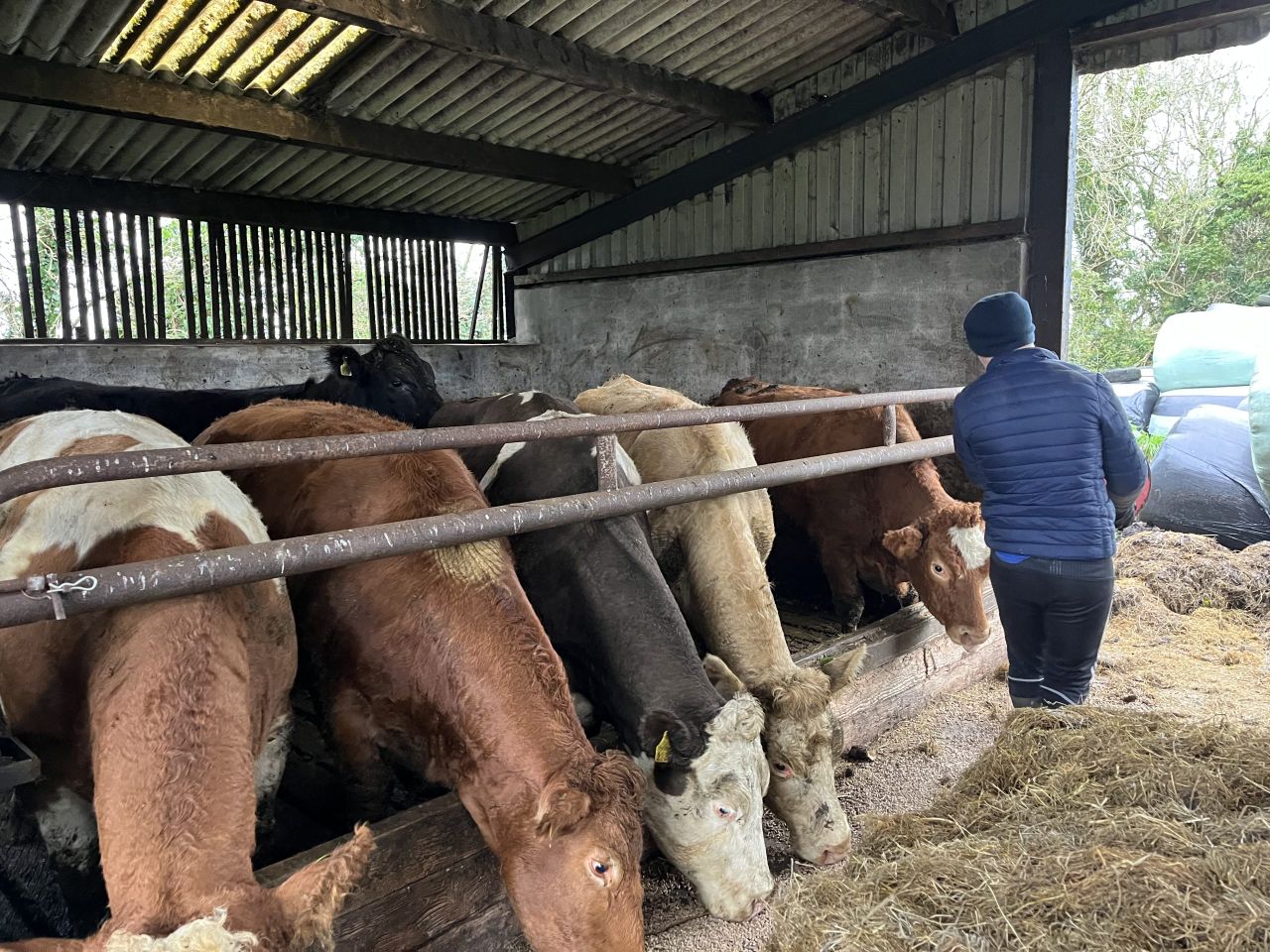
When grass disappears, cows are fed in paddock, with a feeder wagon leaving out small thin lines the length of the field.
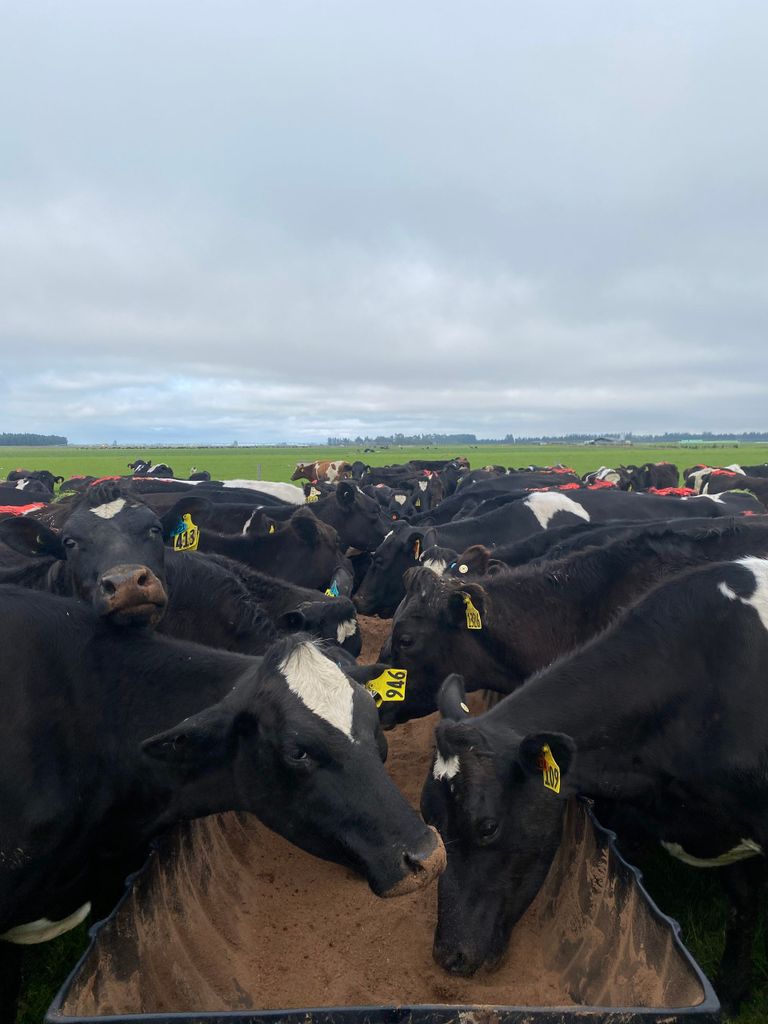
According to Pilkington, his buildings are not set up for feeding as such, because buffer feeding would leave too much pressure on feeding space.
He has tried feeding palm kernel and brewers grain, but stated it can become tricky when suppliers want contracts.
His approach is simple: keep things straightforward, with high-quality silage currently doing the heavy lifting.