'Trade agreements cannot be assessed in isolation' - Mullooly

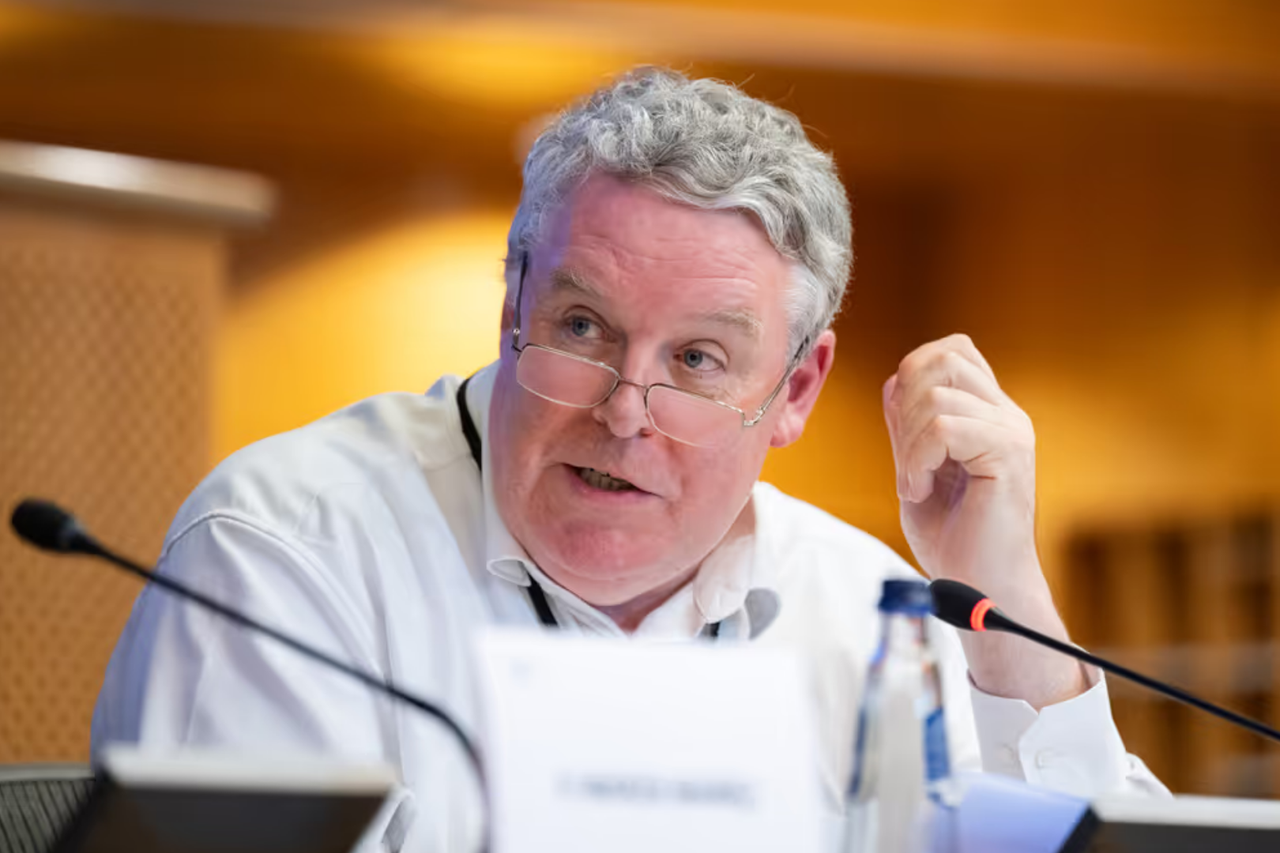
An Irish MEP has called on the European Commission to assess the combined impact of both the EU-Australia trade agreement and the existing UK-Australia trade agreement.
Midlands-North-West MEP Ciaran Mullooly said this assessment should be carried out before Australia is granted additional access to the European market.
The EU and Australia concluded negotiations for a free trade agreement in March 2026.
The deal eliminates tariffs on major EU agri-food exports to Australia, while providing Australia with new duty-free quotas for beef, sheep meat, and dairy.
Trade agreements
Speaking at the European Parliament's Agriculture Committee in Brussels, the MEP said that trade agreements must no longer be considered individually.
He said that policymakers must instead examine their cumulative effect on European agriculture.
"Trade agreements cannot be assessed in isolation. We must examine the cumulative impact on European farmers and on established markets for EU produce," he said.
Farmers
Mullooly said the issue is of particular importance for Ireland due to the significance of the British market for Irish beef exports.
"For geographical and logistical reasons, the UK is Ireland's most important beef market.
"Our exports to the UK were worth approximately €1.6 billion and accounted for almost half of our total beef exports," he said.
The Independent Ireland MEP claimed that the existing UK-Australia Free Trade Agreement is "already changing the competitive landscape".
"The UK-Australia agreement is progressively increasing duty-free access already for Australian beef, sheep meat, sugar, butter and cheese.
"This creates a real risk that lower-cost imports will displace Irish and European produce from UK supermarket shelves, maybe not today or tomorrow, but in the future.
"So before granting Australia further access to the EU market, will the commission assess the combined impact of the EU-Australia and UK-Australia agreements on Irish beef exports, farmgate prices and market share?" he said.
"European farmers must not be expected to pay twice - through increased imports into the EU and by losing valuable export markets into the United Kingdom," Mullooly added.