‘Exceptionally strong’ public support for Irish farmers – study
Irish people are among the strongest supporters of farmers in Europe, but are less confident of government support when it comes to sustainable farming.
This is according to new research published today (Tuesday, July 14).
The findings come from a cross-European study by Project Tempo, a research organisation, examining public and farmer attitudes towards climate transition in agriculture across Ireland, France, the Netherlands and Poland.
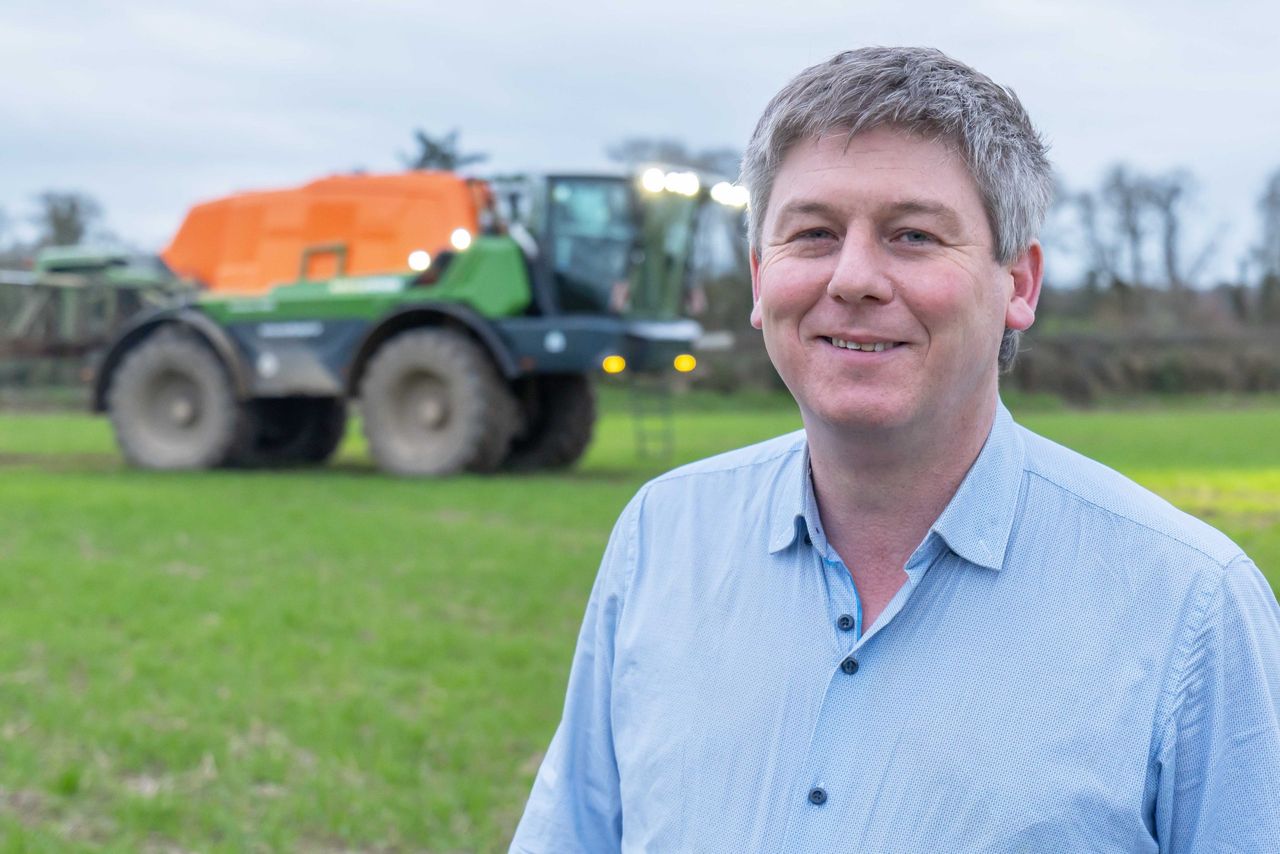
The research will be presented by Dagmar Droogsma, agriculture project lead at Project Tempo, at an event hosted by the Institute of International and European Affairs (IIEA) tomorrow (Wednesday, July 15), entitled ‘From Protest to Partnership: Rethinking Europe's Agricultural Transition’.
The research reveals “exceptionally strong" public support for farmers in Ireland.
More than eight in 10 respondents (81%) described farmers as hard-working, while three-quarters (75%) viewed them as an important part of their local communities – the highest levels of support recorded across the four countries studied.
At the same time, the research points to a challenge for policymakers.
Across all countries studied, participants expressed concern that farmers are being treated unfairly and questioned whether governments can design and deliver large-scale transition programmes that are effective, fair and trustworthy.
The findings come against the backdrop of mounting pressure on the agricultural sector to reduce emissions.
Agriculture accounts for 38% of Ireland's greenhouse gas emissions – the highest proportion of any EU member state, compared with an EU average of approximately 12%.
Meanwhile, six years after the launch of Ireland's Food Vision 2030 strategy, just 14% of its targets had been achieved by 2024.
Project Tempo stated: “Farmers’ attitudes to sustainable agriculture are shaped by the structural pressures that define their day-to-day operations.
“Consistently across all four countries, we found five issues that define this reality for farmers: price volatility; weak bargaining power in the supply chain; rising input costs; regulatory complexity; and competition from imports."
Perceptions
The research challenges the perception that farmers are resistant to environmental change.
Instead, interviews with farmers found widespread acceptance that sustainability and emissions reduction are necessary, alongside growing concerns about economic viability, fairness and a lack of meaningful engagement in policy decisions that directly affect their livelihoods.
Irish farmers consistently identified two elements that would make transition more workable:
- Incentives and rewards for sustainable practices rather than a punitive, fines-based approach;
- Greater support for smaller family farms and the rural communities that depend on them.
Droogsma said: “In Ireland, farming is a source of national pride, and the public is squarely behind farmers.
“What’s missing is trust that government can lead change fairly.
“Farmers here are not resisting sustainability – they are asking to be treated as the custodians of the land and professionals they are.”
She added that what farmers want is fair pay and to be rewarded for good practice, rather than punished.
“Get that right, and Ireland can turn its hardest climate problem into a story of pride and partnership,” Droogsma said.
Comparisons
The survey found nuances from country to country.
It found that French farmers value status and community; Dutch farmers put stock in pragmatism, entrepreneurship and justice; while the Polish value modernity and security.
In Ireland, respect and status were high priorities.
Specifically, for Irish farmers, the survey found:
- Farmers have strong community-based identities and feel threatened by rural decline;
- Farmers see their job as their passion, something only a select few can do even though it is not always profitable;
- Farmers see economic sustainability as more important than environmental. They want the two to go hand in hand but feel they don’t have the workforce and finance needed for change.
The main problems in agriculture that Irish farmers identified were:
- Losing the craft and love of the job: Farmers feel they can no longer engage in their craft as they once did and are losing their love for the job. This is linked to a sense that farming has become less about farming and more about compliance and administrations;
- Not getting a fair price for produce: Farmers strongly believe that the prices they are paid do not reflect the value of their produce;
- Rising labour costs as prohibitive for changes in how their farms are run: Farmers are less concerned about costs in the abstract than the effort required to become more sustainable;
- Rural decline: Farmers fear that if farming loses its viability as both a livelihood and a cultural identity the long-term survival of rural communities will be at risk;
- Union representation: Farmers recognise the Irish Farmers’ Association (IFA) as a powerful lobby, but do not necessarily feel it represents their best interests or acts as a strong representation of their day-to-day realities. They believe that the IFA’s priorities skew toward the interests of larger, more commercially-oriented farms.
Recommendations
Based on its findings, Project Tempo had the following recommendations when it comes to Ireland.
On policy, it said: “Irish farmers are calling for policies that strengthen rural communities and create intergenerational opportunities, ensuring a viable future for traditional, smaller to medium-sized farms.
“These policies should also address rising labour costs and reduce administrative burdens, giving farmers the time and resources to implement sustainable practices.
“Without this support, they consider the survival of family farms and the rural way of life at risk.”
When it came to messaging, the organisation said: “Messaging should celebrate the quality of Irish produce and the strength of the agricultural sector.
“Pride and status are central, so policies should be paired with clear communication that make explicit how they protect and strengthen these values.
"For example, by reinforcing Ireland’s reputation for producing the finest food or by preserving the traditions that define its farming heritage.”
Project Tempo
Dr. Matt O'Neill, climate project lead at the IIEA, said: "The IIEA is delighted to host the launch of this research by Project Tempo.
“Climate transition is one of the defining challenges facing Europe, and nowhere is that more evident than in agriculture.
“Farmers are central to the debate, yet too often their perspectives are overlooked.”
He added that effective policymaking depends on listening to those most directly affected and creating space for informed discussion.
“This research provides valuable insights into how that conversation can move forward constructively," O’Neill said.