Study: EU heat-related milk losses could almost triple by 2050

Heat-related milk production losses could almost triple in the EU by the middle of the century, a new study has warned.
Rabobank said climate change is causing a shift in the traditional dairy "comfort zone" in Europe, as rising temperatures and changing rainfall patterns reshape the environmental conditions which dairy farmers rely on.
While this is unlikely to displace production from Europe's main milk producing regions, the bank said it may put pressure on their competitiveness.
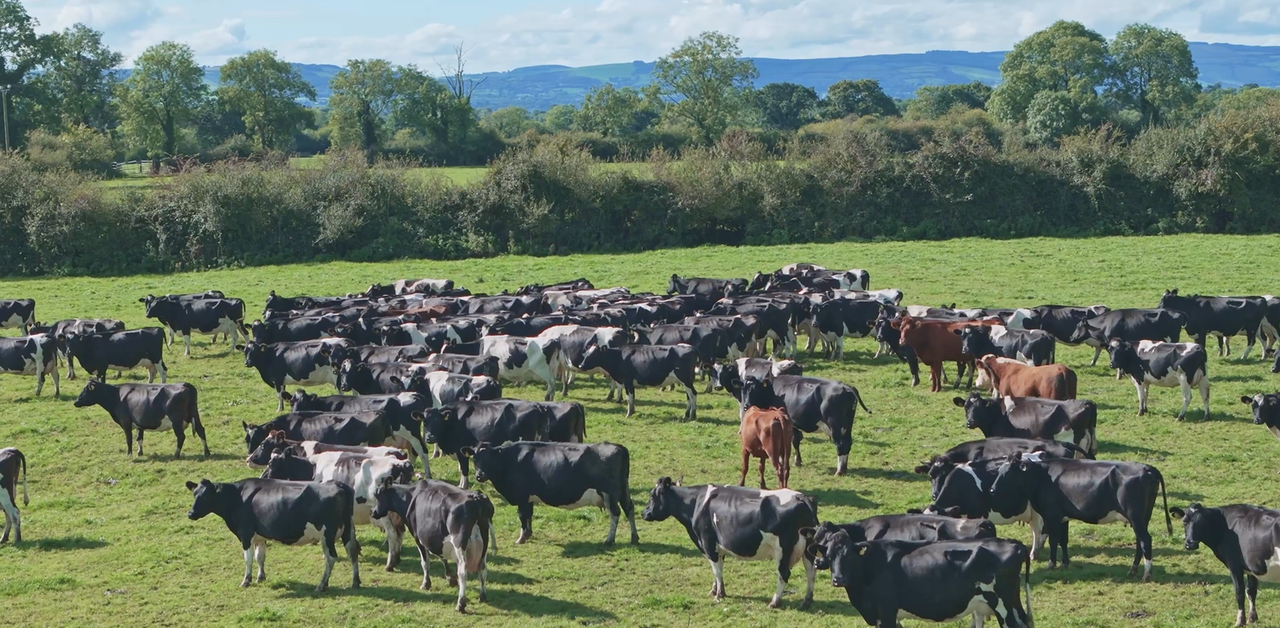
The study finds that regions which historically had productive grasslands with limited exposure to extreme heat will increasingly face pressure when it comes to cow welfare, milk yields, and the reliability of milk supply.
As a result, farmers and processors in these regions could face "growing adaptation challenges".
Milk
The study estimates that annual heat-related milk losses in the European regions assessed could increase from the current level of around 4.5 million metric tonnes under today's climate to 12.2 million metric tonnes around 2050 "under a high-warming scenario".
However, the impact will vary due to the level of warming per region and differences in herd composition.
Major dairy production areas in northern Italy, southern Germany, France, and Spain face "a marked increase in potential losses".
Rabobank warned this could result in lower utilisation of processing facilities and expensive adaptation measures which will dimish dairy competitiveness in impacted areas.
By contrast, the research shows that Atlantic and northern European dairy regions "retain a relative climatic advantage".
"Southern Ireland, the third-largest production base in the table at approximately 6.2 million metric tonnes per year, can expect an added future loss of only 0.3% of total milk production," it said.
Adaptation
Rabobank noted the estimates in the study are "not a forecast", but show how Europe's dairy production could perform in a warmer climate "if herd size, productivity, breed composition, and heat management practices remain unchanged".
"Climate adaptation can limit the impact, but maintaining production and competitiveness will require action.
"Farmers will need to strengthen cooling, feeding, and herd management strategies, while processors will need to support investment on farms and build greater flexibility into sourcing, infrastructure, and operations," it added.
The researchers said cooling technologies, like artificial shade, sprinklers and ventilation systems, are one of the most effective ways to reduce the impact of heat stress on cows.
The cost of such equipment upgrades can start at an average of €30,000 with payback dependent on the output of individual farms.
Researchers noted that resilience can also be improved through changes in farm management practices, nutrition, breed choice, genetic selection for heat tolerance.
As heat stress, drought, and extreme weather can impact milk volumes and supply, the researchers said processors have "a direct interest in supporting farm adaptation".
"Processors can encourage climate-resilient farming through technical assistance, knowledge sharing, and financial incentives," they said.
The study suggested that existing animal-welfare and sustainability programmes run by processors "provide established channels through which heat-management measures could besupported".