Steady-as-she-goes yield outlook maintained for EU winter crops

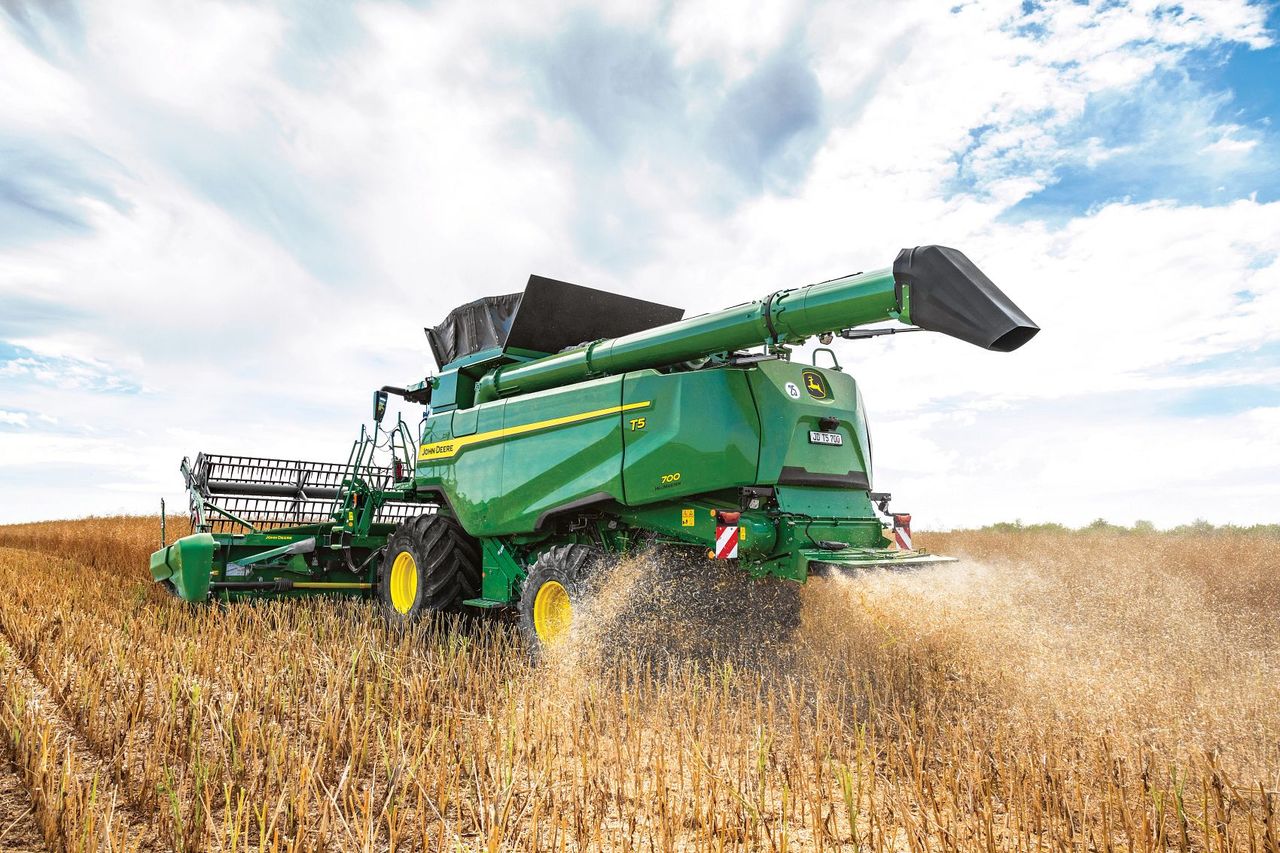
The European Commission is confirming that a steady yield outlook has been maintained for winter drops across most of the EU.
The trends are detailed in the latest edition of Brussels’ Joint Research Council Monitoring Agricultural ResourceS (JRC MARS) bulletin, published at the end of June.
According to the Commission, growing conditions across Europe remain generally favourable, with winter crops approaching maturity and summer crops developing well in most regions.
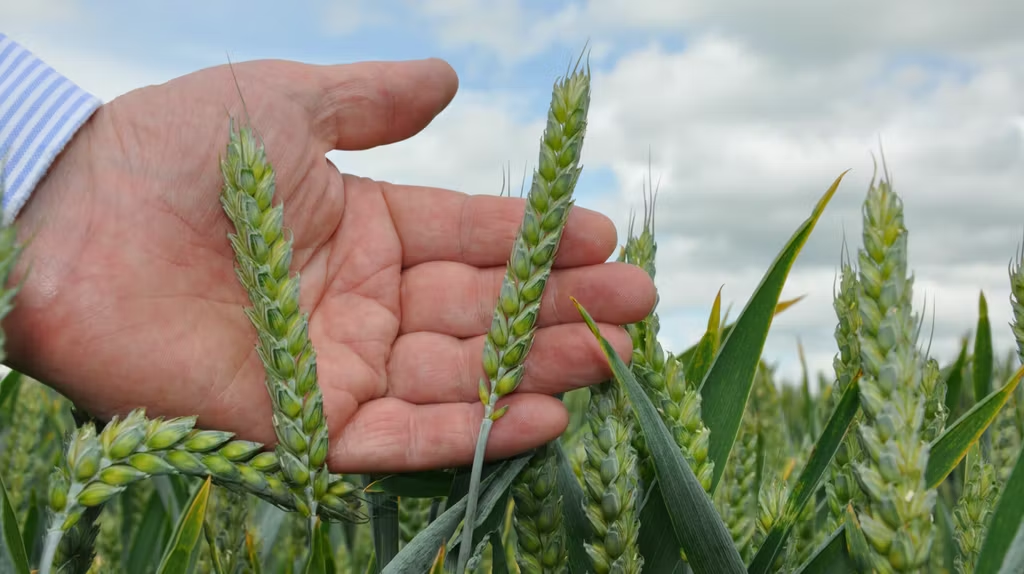
EU yield forecasts point to yields just above the five-year average, but below last year’s figures, with only minor revisions compared with last month.
However, the dry spring and the heatwave in May have reduced winter crop yield prospects in parts of western, central, and eastern Europe.
Concerns are also increasing for summer crops where soil moisture reserves remain depleted while water demand is rising.
High temperatures and limited rainfall forecast until the end of June across much of western and central Europe will intensify crop water stress and can threaten the yield potential.
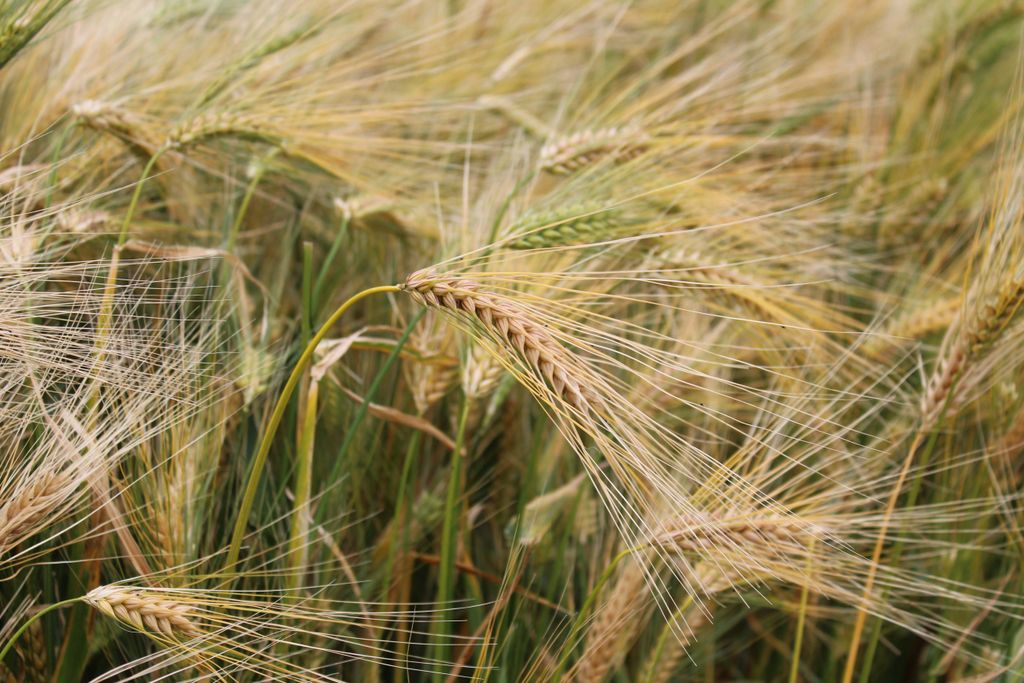
Overall, crop conditions remain generally favourable across much of Europe, with average to above-average biomass accumulation in northern, central and south-eastern regions.
In contrast, rainfall deficits and heat stress are increasingly affecting crop development in parts of Spain, Poland, northern Italy, western France and western Ukraine.
France
France is one of Europe’s largest cereal producing regions.
Abundant rainfall in early May largely compensated for the dry conditions observed in April and replenished topsoil moisture reserves across most of the country.
However, the review period was marked by an exceptionally early and intense heatwave at the end of May, with daily maximum temperatures reaching record levels for the season.
The event affected the entire country but was particularly severe in the west. Impacts are expected to vary regionally.

Meanwhile, in northern and eastern France, where the heatwave was relatively short-lived and adequate soil moisture was maintained thanks to precipitation in early May, effects on winter crops are likely to remain limited.
As a result, the outlook is mixed. Yield prospects for winter cereals remain favourable in the north but are less positive in central and southern regions, leading to a downward revision of the national outlook for most winter crops.
Germany
During the first half of May, a cooler period temporarily slowed crop development across all of Germany.
This was the case with winter cereals, entering the stem elongation and heading stage. However, the cooler temperatures also helped to maintain soil moisture levels.
In the second half of May, rapidly increasing temperatures accelerated crop development, and soil moisture was depleted significantly across eastern and southern Germany under scarce rainfall.
Summer crop emergence and early establishment benefitted from warm temperatures but were locally hampered by insufficient topsoil moisture.
The first half of June brought rainfall that reduced water stress and mitigated potential damage.
Significantly, the EU Commission’s yield forecasts remain positive for both winter and summer crops, with yields up to 5% above the five-year average.