Renewed warnings that EU rules could effectively end calf exports


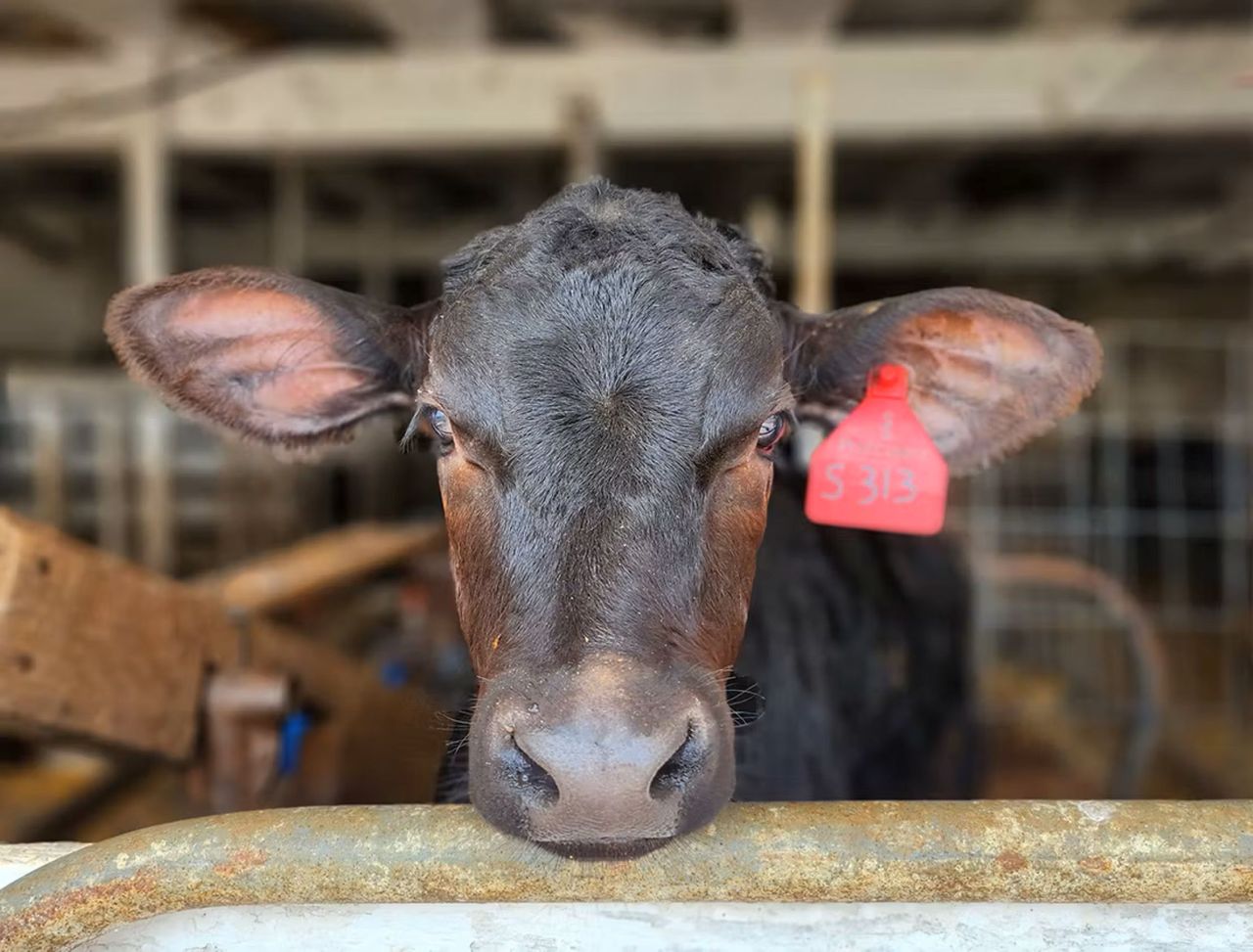
Stark warnings have been renewed that proposed new rules at EU level on transporting animals could "effectively end" Ireland's ability to export unweaned calves.
The Irish Co-operative Organisation Society (ICOS) has warned that this could be the outcome unless amendments to those proposals are introduced to "reflect the practical realities of transporting livestock from an island nation".
ICOS said it held meetings in Brussels yesterday (Thursday, November 19) with two Irish MEPs, Ciaran Mullooly and Nina Carbery, in which the organisation stressed the changes that are required to protect the trade and animal welfare standards.
ICOS is seeking a reduction in the proposed seven-day "standstill" requirement affecting assembly centre operations, to a more practical 24-hour period, subject to appropriate animal health and welfare safeguards.
"A seven-day standstill will be unworkable for Ireland’s livestock export system. It will create serious capacity pressures, additional costs and potentially greater animal health risks," ICOS' livestock and environmental services executive Ray Doyle said.
ICOS is also seeking adjustment to the proposed requirement to feed unweaned calves exclusively with milk or milk replacer during transport, on the basis that this presents significant practical difficulties, particularly aboard ferries.
"There should be greater flexibility within the proposed legislation to permit other nutritionally appropriate liquid feeds, subject to veterinary oversight and scientific validation," Doyle said.
For example, ICOS suggested that pre-prepared and pre-packaged liquid formulations incorporating electrolytes, proteins and appropriate energy sources such as glucose could offer a practical alternative, provided they are demonstrated to meet the needs of calves during transport.
"We need practical, arrangements that protect calf welfare while recognising the realities of transport by sea," Doyle said.
He added that live exports provide "an essential market outlet" for Irish dairy farmers, supporting competition for calves, farmgate prices and the rural economy.
"The welfare of animals during transport is absolutely paramount. It is in nobody's interests for animals to experience anything less than the best possible conditions," Doyle said.
"Accordingly, Ireland's livestock industry is committed to safe, humane and responsible international transport, supported by established welfare measures and ongoing improvements in standards," he added.