Reminder: Baling straw in dry conditions can remove sizable quantities of potash

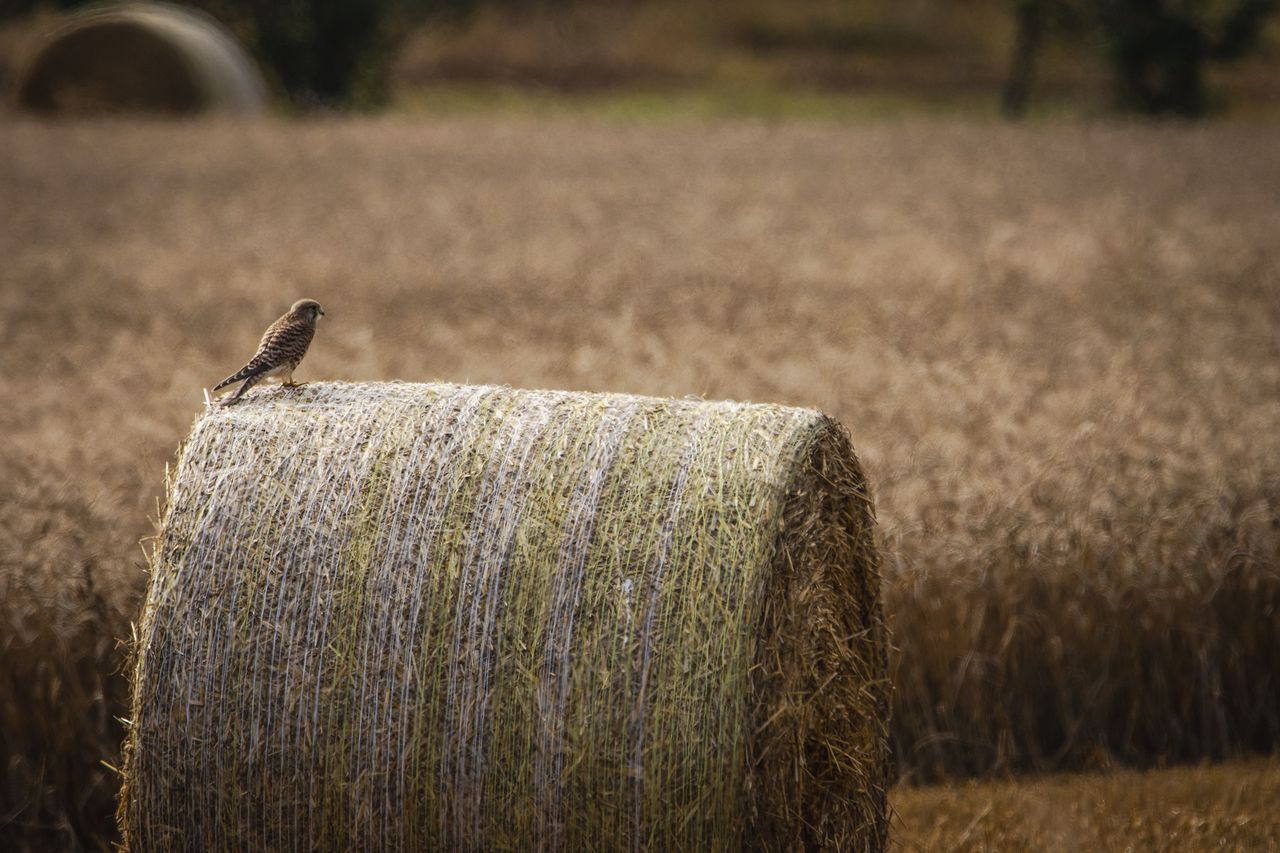
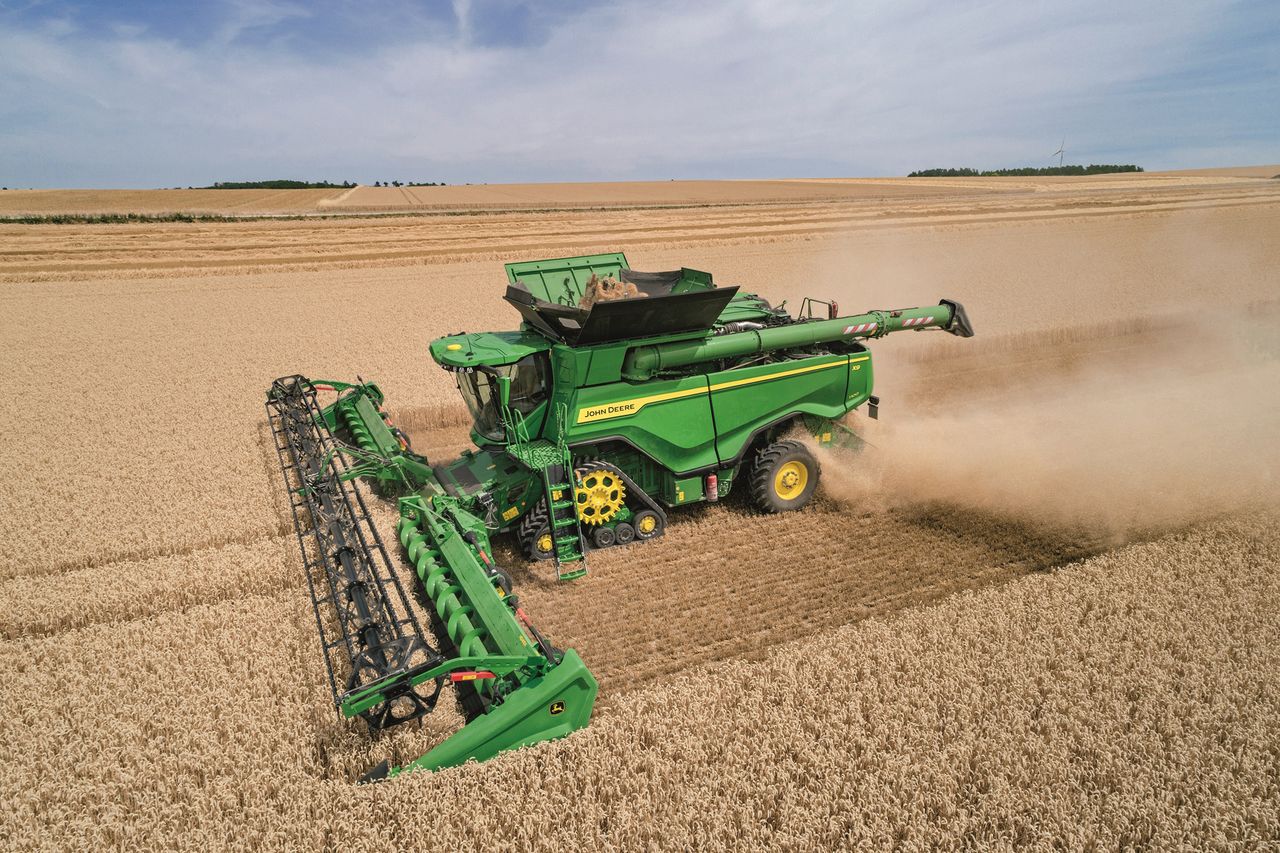
Tillage farmers are being advised that baling straw in dry conditions can remove significant quantities of potash from their fields.
As harvest 2026 progresses and exceptionally dry conditions persist, strong demand from the livestock sector is creating attractive straw prices.
In turn, this is making the decision for tillage farmers to bale and sell straw more appealing than in recent years.
This is according to the Potash Development Association (PDA).
Other factors coming into play include the fact that cereal yields are under pressure from another dry growing season.
So, with lower grain yields and reduced crop canopies, selling straw can provide a valuable source of additional income for tillage farmers.
This specific point has been eluded to by Minister for Agriculture, Food and the Marine Martin Heydon, courtesy of his most recent comments with regard to the outworking of the 2026 Straw Incorporation Measure.
The reality is that higher straw prices can offset the financial impact of lower grain output.
Potash
However, it is important to remember that straw is not simply a by-product - it contains significant quantities of nutrients, particularly potash (K), which leave the field when bales are removed.
Moreover, the nutrient value of straw in 2026 may be even greater than many growers realise.
During ‘typical’ seasons, a proportion of the potassium taken up by the crop is washed from the standing straw back into the soil as the crop matures.
This is because rain causes the nutrient to leach out of cracked cells.
In dry seasons, however, this is often reduced. As a result, higher concentrations of potash can remain in the straw when it is baled, increasing the amount of nutrient removed from the field when straw is sold.
This means that standard nutrient offtake values, often used for planning fertiliser programmes, may underestimate actual potash removal after a particularly dry season.
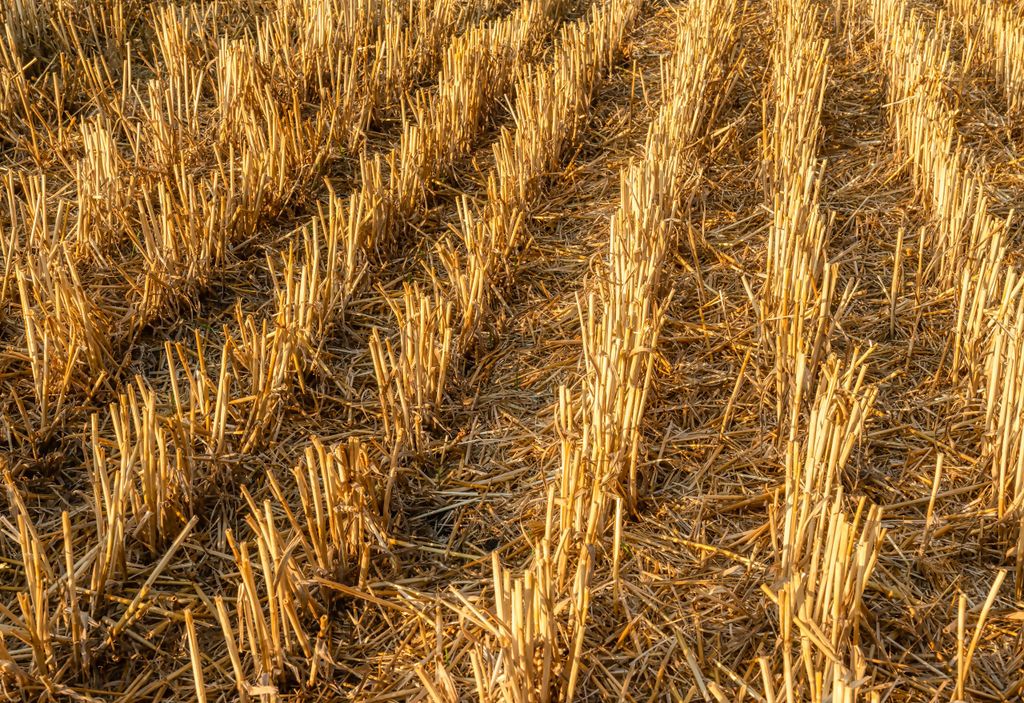
Growers relying solely on average figures could unintentionally create a negative potash balance, especially where straw is removed regularly or soil reserves are already limited.
Where straw sales have or are being considered, it is therefore important to account as accurately as possible for the true nutrient value leaving the field.
Measuring straw yields accurately and, where appropriate, analysing straw samples can provide a more realistic assessment of nutrient removals.
This information can then be used to adjust future fertiliser applications and protect long-term soil fertility.
The attraction of strong straw prices is understandable. But the decision should always consider both the income generated and the replacement cost of the nutrients removed.
In a dry year such as this, overlooking the potash value contained within straw could prove a costly mistake.