New World screwworm: US to reopen cattle trade with Mexico

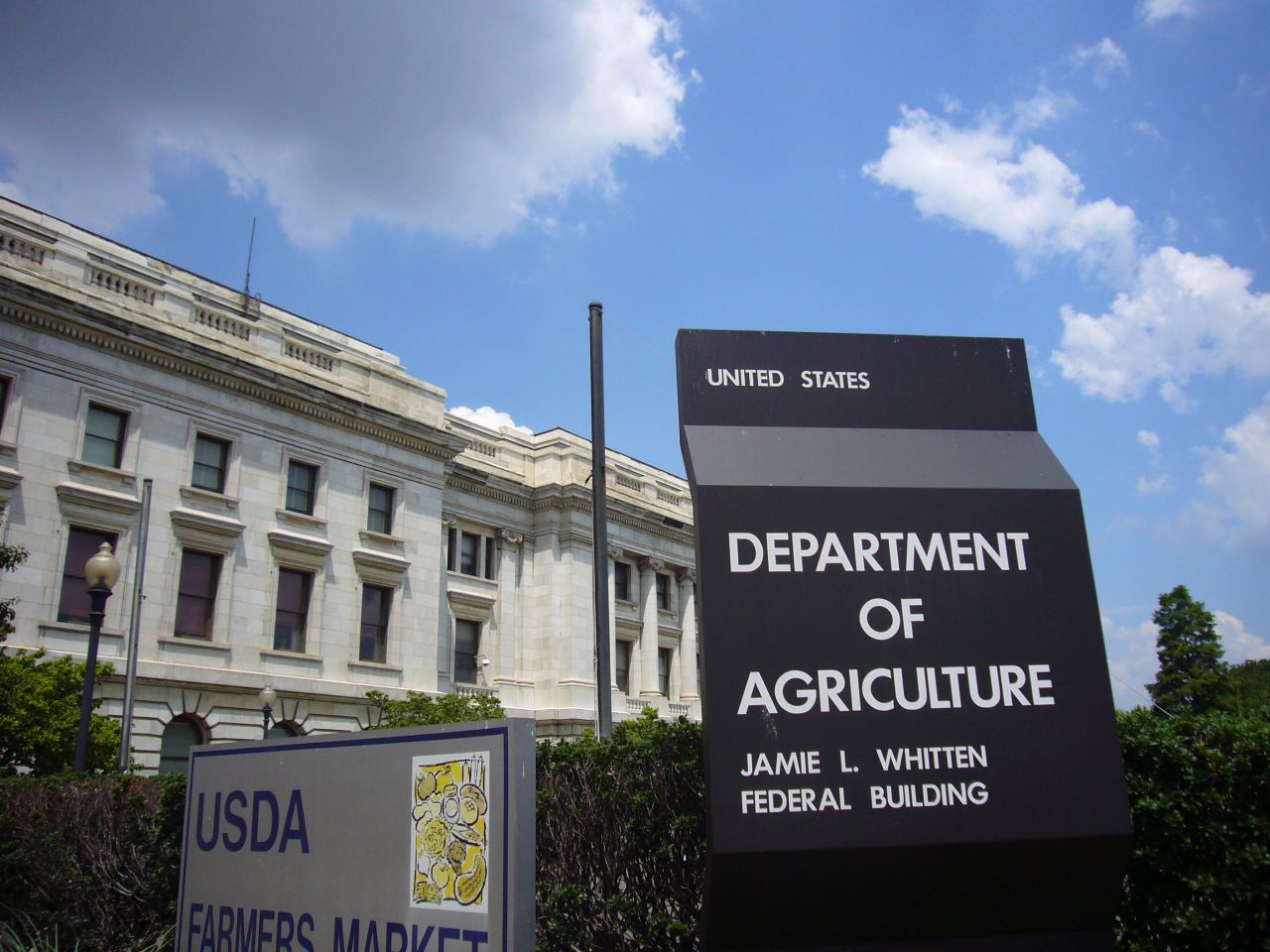
The US Department of Agriculture (USDA) has announced that imports of cattle from Mexico will be reopened on a phased basis.
This phased reopening will be dependent on Mexico adhering to a 'Joint Action Plan' to control the spread of the livestock parasite New World screwworm (NWS).
In May 2025, the USDA announced the suspension of live cattle, horse, and bison imports through US ports of entry along its southern border due to "the continued and rapid northward spread" of NWS in Mexico.
New World screwworm is a species of parasitic fly, the larvae (maggots) of which eat the living tissue of certain animals.
Now, the USDA announced at the weekend that its southern cattle ports would reopen to trade with Mexico, beginning from August, 24 with a trading port in the state of Arizona.
This will be followed by the reopening of ports in the state of New Mexico.
The USDA said that every animal entering the US through these ports will undergo a full inspection to ensure it is free of any signs of NWS.
The US trading ports to be reopened border the two Mexican states that have well-established animal inspection programmes, and are the furthest from southern Mexico, where most NWS cases are concentrated.
According to the USDA, these two Mexican states have a strong animal health infrastructure programme, and have a "track record of success in these spaces".
The US authorities said that the reopening timeline will remain flexible and may be adjusted based on Mexico's progress in meeting the Join Action Plan.
Commenting on the reopening of trade, US Secretary for Agriculture Brooke Rollins said: "Protecting the United States from NWS and pushing this pest out of Mexico...is a top priority at USDA and has the full attention of the Trump Administration.
"The closure of the southern ports of entry for the last year has been a tough but necessary action to control the spread of NWS in Mexico and protect the American livestock industry," Rollins added.
She said: "Thanks to the work across the federal government as well as state, local and industry partners, it is now safe to reopen the [Arizona port] in 30 days to resume the hundreds year-old movement of cattle."