Rabobank: Growing milk supply no longer pays for Irish farmers

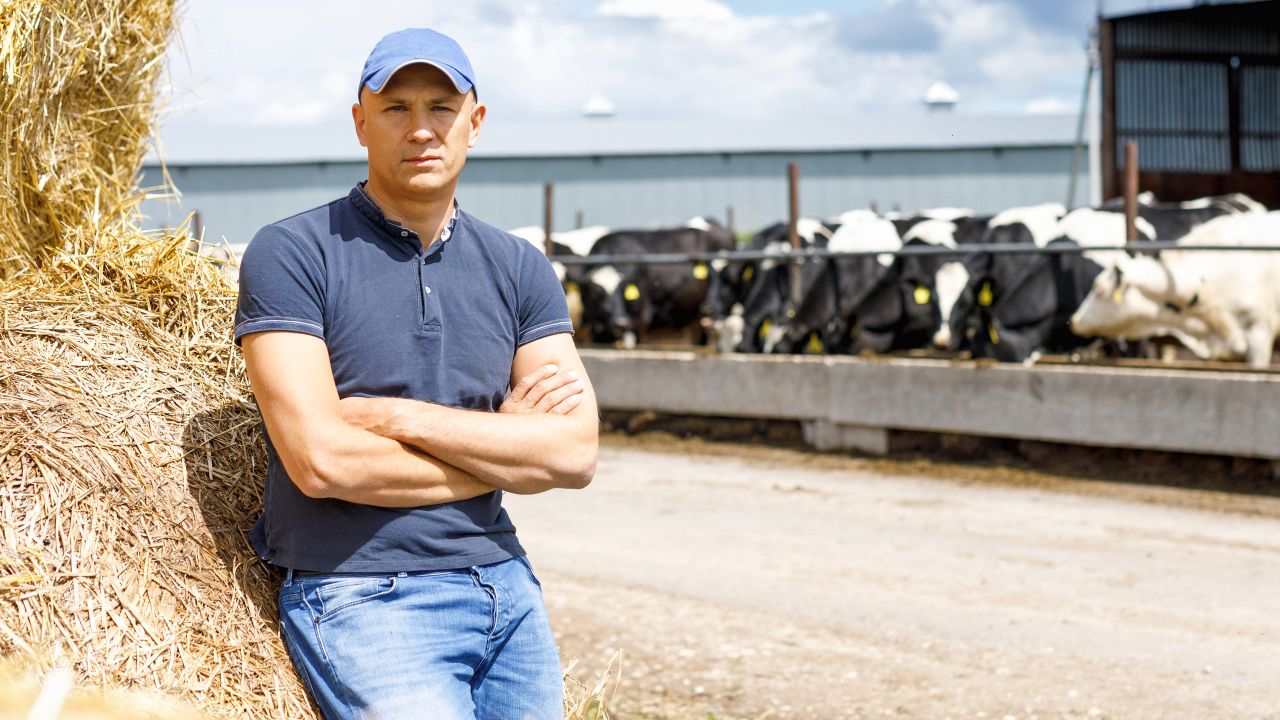
Shrinking profit margins mean milk supply growth is "no longer economically viable" for Irish farmers, Rabobank has warned today (Wednesday, June 10).
Analysts have cautioned that rising costs and tightening returns are undermining the case for further expansion across the sector.
Because milk prices have fallen below the cost of production margins are under increasing pressure and this, according to Rabobank, will ultimately have a knock on effect on supply.
In the latest Global Dairy Quarterly report, Rabobank analysts highlight that currently EU milk supply is still strong but it is beginning to level off.
They also point to the fact that milk production across the EU and UK has been on a "remarkable run" - in March output had risen by 4% year on year, which represented the seventh consecutive month of growth at or above that level.
But by April this surge had started to fall off with growth easing off.
According to Rabobank the recent production boom was driven by "exceptionally strong farmer margins" particularly in 2025.
However with margins declining since last September and returning to more typical levels last month the outlook is changing.
Milk prices have fallen on average by 17% across Europe since last September while feed costs have remained mainly stable, fertiliser prices and energy prices have both jumped because of the Middle East conflict.
Milk supply
According to Rabobank the outlook for European milk supply is now moving "from expansion toward gradual constraint".
Analysts believe that regulatory pressures and weaker margins will curb production but this adjustment is "likely to be slower than previously anticipated".
Rabobank expects that milk supply in the EU will remain "elevated" into the summer and in the short term which will prolongue price pressure "despite deteriorating economics at farm level".
Analysts have also estimated that global milk supplies will likely be higher in quarter two this year compared to the same quarter last year.
But supplies will then fall back in quarter three and decline in quarter four of this year.
In general they expect that milk production growth is "likely to cease" which will help to restore some balance to global dairy supply.
One key trend identifed in the latest Global Dairy Quarterly report also shows that protein demand continues to be a strong driver for dairy companies and co-ops.
"Dairy companies are investing heavily in high value protein streams - such as whey, cheese, and speciality products - signaling confidence in long term growth," analysts said.
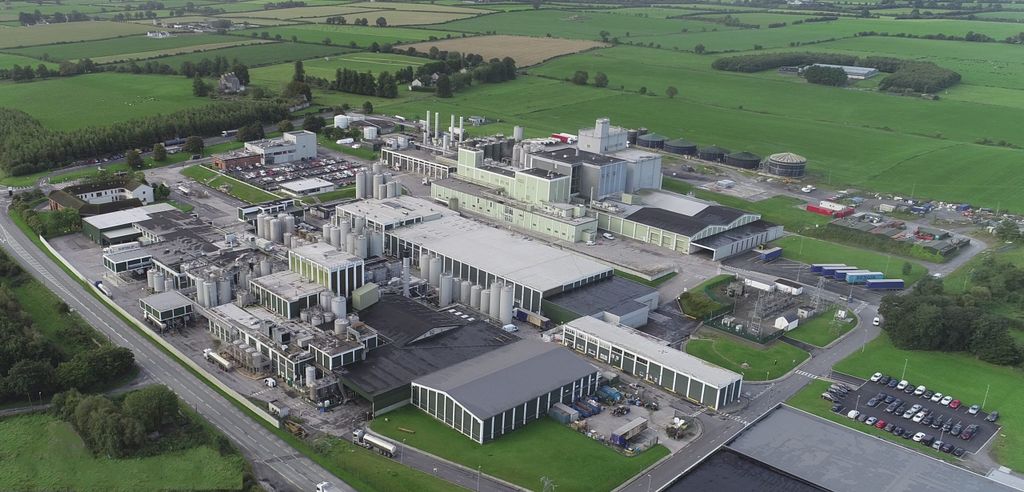
They highlighted the investment by Tirlán last November in a state-of-the-art whey processing facility at its Ballyragget site in Kilkenny and the fact Arla, FrieslandCampina, Danone and Lactalis have also been focusing on these protein streams as a strong signal of where future growth may lie.
This according to Rabobank reflects the shift in consumer dynamics, although food price inflation is likely to rise and affect purchasing choices the "protein halo" will continue to support dairy demand.