EU young farmers group calls for ‘long-term vision' for livestock sector

A European young farmers group has called for the EU to provide a policy framework that will allow livestock farming to remain "attractive, sustainable and economically viable in the decades ahead".
The European Council of Young Farmers (CEJA) called for “a more holistic discussion that also recognises the sector’s strategic contributions".
The call comes as CEJA published its position paper, 'Young farmers’ vision for the future of livestock', setting out its priorities ahead of the European Commission's EU Livestock Strategy, expected in July 2026.
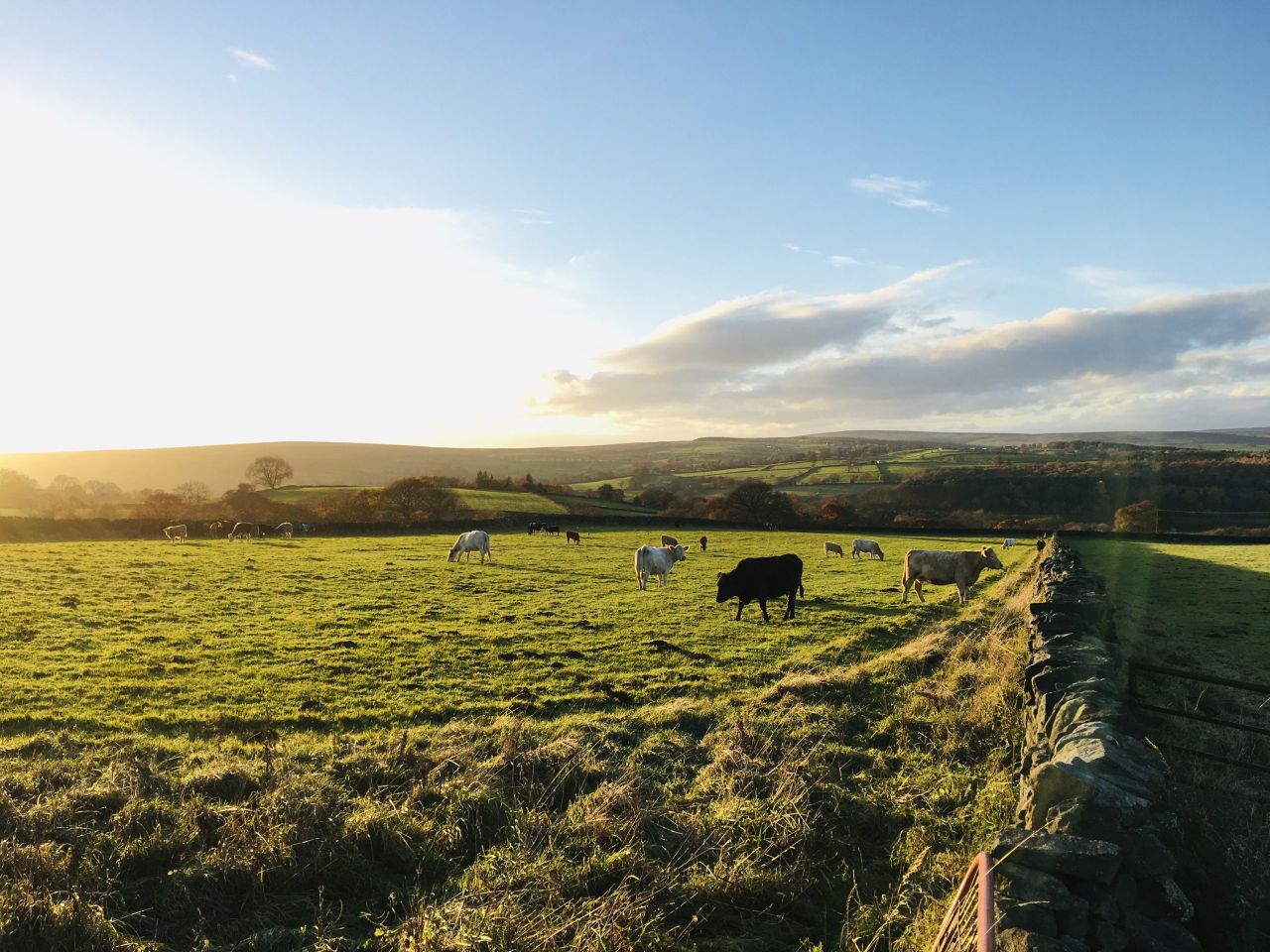
According to CEJA, livestock farming plays a strategic role in Europe’s food systems and rural territories, including producing food and a wide range of by-products.
The sector also contributes to maintaining permanent grasslands, recycling nutrients, supporting biodiversity and supporting economic activity in many regions, the group said.
In terms of challenges facing the sector, CEJA cited generational renewal; investment capacity; uneven distribution of costs; risks and benefits along the supply chain; animal health threats; increasing societal expectations; and the need to reconcile environmental ambitions with economic viability and global competition.
CEJA called for the EU Livestock Strategy to “address these challenges and provide young livestock farmers with a coherent trajectory and a practical toolbox to navigate these challenges”.
Future of livestock
CEJA’s vice president and young pig producer Katharina Schobersberger said: “Young farmers are ready to invest in the future of livestock.
“The question is whether Europe is ready to provide a clear and long-term vision for the sector.
“Livestock contributes immensely to Europe's food systems and rural territories, so the upcoming strategy is an opportunity to recognise these contributions and translate them into concrete action for the next generation of farmers.”
CEJA’s position paper outlines what it sees as seven priorities for the future of the sector:
- Recognising the strategic role of livestock;
- Strengthening generational renewal;
- Addressing economic barriers;
- Ensuring fair trade conditions;
- Improving animal health;
- Advancing animal welfare;
- Supporting environmentally sustainable production systems.
According to CEJA, these priorities respond to the key challenges facing livestock farmers, while providing a roadmap for its long-term development.
It said: “Across all areas, young farmers call for balanced, science-based and workable solutions that reflect the complexity and sectoral and territorial diversity of European livestock systems.
“The paper highlights the need to improve the attractiveness of livestock farming, strengthen farmers’ socio-economic resilience, support innovation, investments and high standards of animal health and welfare, and ensure that environmental objectives remain achievable in practice.”
The group claimed the main challenge is how any evolution of livestock farming "can remain economically viable, environmentally sustainable and socially acceptable”.
The group has called on European institutions to place young farmers at the heart of the livestock strategy.
It said: “Addressing the sector’s challenges will require more than new obligations.
"It will require creating the conditions for a new generation of farmers to invest in livestock with confidence and a clear sense of direction.”