Disease control in spring beans required in coming days

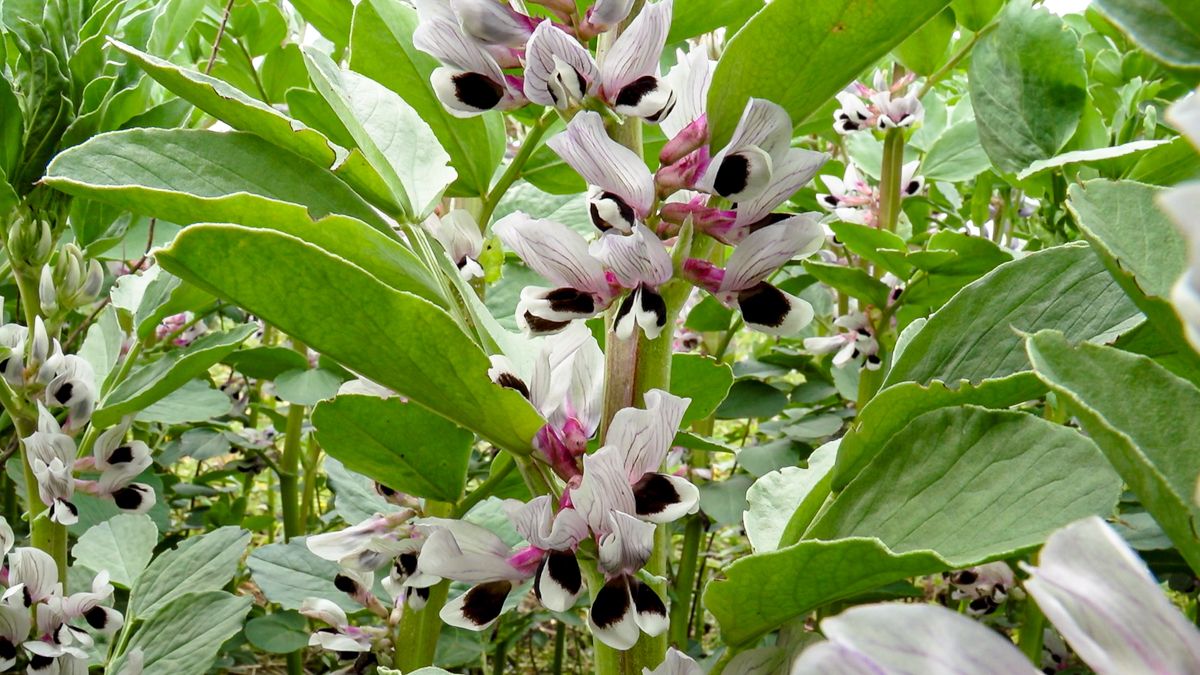
Disease control in spring bean crops must be addressed by growers over the coming days, according to Teagasc.
Foliar diseases such as chocolate spot, downy mildew and rusts need to be controlled in order for crops to keep the foliage for as long as possible.
All diseases develop quickly in warm, humid conditions.
For chocolate spot control, fungicides need to be applied before the disease develops. Therefore, growers should apply a fungicide at the first signs of disease or in any case at the start of flowering and repeat two to three weeks later.
Signum 0.5-0.75kg/ha can be applied at both timings for good control. Elatus Era is also an option and has approval for a single application on beans at 0.66L/ha.
For downy mildew control, there are no fungicides currently available that will give control, however, Basfoliar Active and Nutriphite PGA - which are bio-stimulants - both claim to give some control.
Meanwhile, beans offer growers a good opportunity to control problematic grass weeds such as bromes, ryegrasses, and wild oats with graminicide-type herbicides.
Good control can be achieved where products such as Fusilade Max (1.0 – 3.0L/ha), Stratos Ultra (1.5 – 4.0L/ha), or Falcon (0.7 -1.5L/ha) are used in time.
Generally, they need to be applied before flowering has commenced for best control.
Grass weed control in tillage
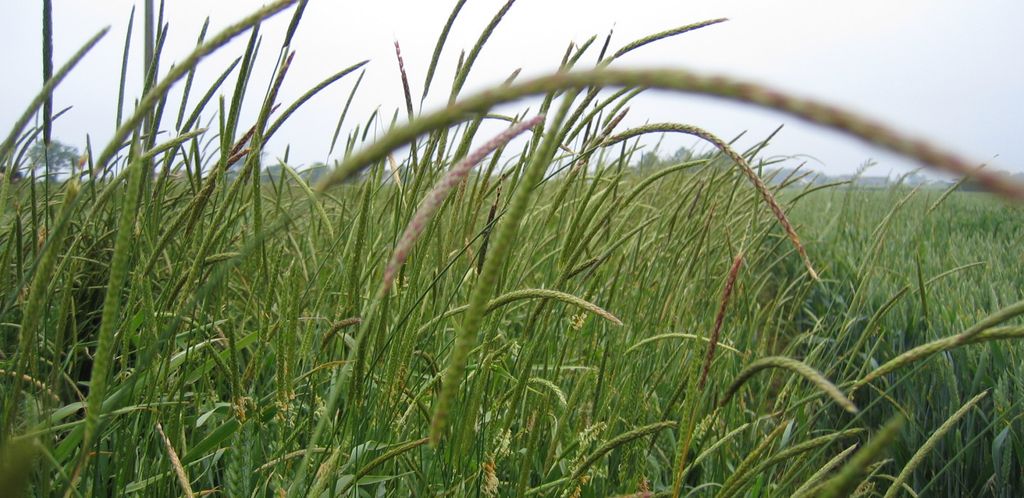
June is a critical month for grass weed control as, for many, they will now be easier to identify once they have headed out.
While blackgrass was added to the list of noxious weeds in 2025, this will not solve the issue - growers need to be proactive in dealing with the problem.
Preventing seed return of grass weeds like blackgrass, Italian ryegrass, or wild oats has to be the first line of defence for next year’s crop.
Where populations are low, rogueing should be carried out. However, where populations are too high for manual control then spot spraying with glyphosate has to be considered.
Significantly, resistance testing in Oak Park will only be available in 2026.
It is unlikely that it will be available as a service in 2027. If you have a problem, collect some seed and see if it is resistant to the common herbicides. This is the first step in dealing with the issue.
However, it remains deeply concerning that the extent of the herbicide resistance challenge within Ireland’s grass weed populations continues to increase.
It is an issue that the tillage sector will have to address head-on as a matter of priority.