England to deploy bTB vaccine by 2030 under new strategy

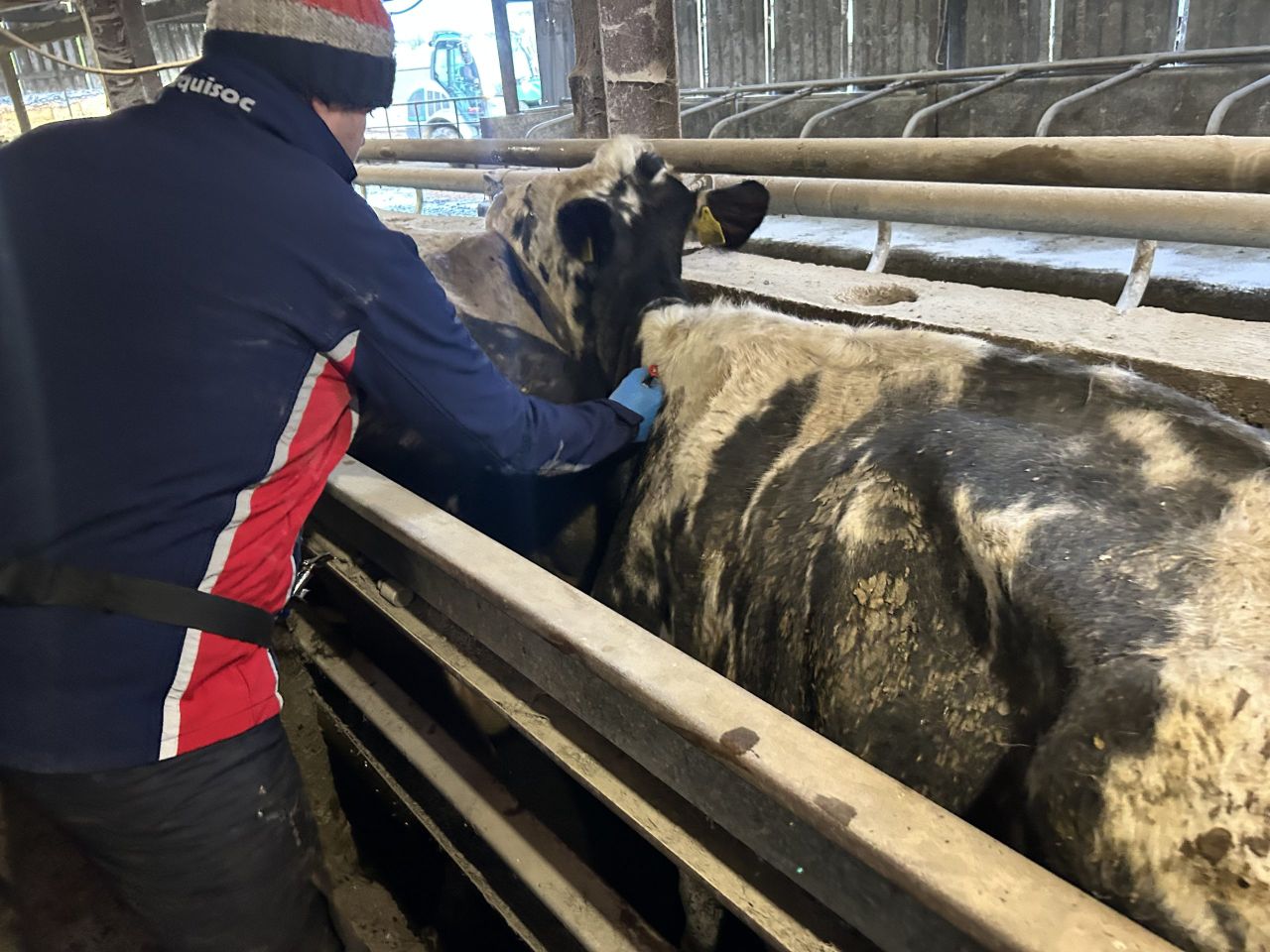
England plans to achieve officially bovine tuberculosis (bTB)-free status by 2038 under a new strategy, with hopes of deploying a vaccine for the disease by 2030.
The strategy, which was published today (Wednesday, June 10), focuses on providing English farmers with better tools and information to stay ahead of the disease.
According to the University of Cambridge, the prevalence of bTB in cattle herds in England has reportedly dropped from a peak of 6.4% at the end of March 2018 to 3.5% at the end of December 2025.
Although the prevalence of bTB has almost halved since its peak, the strategy's steering group recognised that more needs to be done to tackle the disease as over 20,000 affected cattle were slaughtered in England during 2025.
Strategy
With this edition being the first update to England's bTB strategy in 12 years, the proposed plan sets out almost 40 recommendations across the following three areas:
- Keep the focus on cattle - hone in on efforts that help prevent the spread of bTB between cattle, as it is reportedly the most common way to transmit the disease;
- Act beyond cattle where it matters - use "proportionate, science-informed action" to manage other farmed species and wildlife where they pose a clear risk to cattle;
- Strengthen local leadership and delivery - clarify roles, speed up decisions, and target action using better data and local insight.
A key element of the strategy is the intention to deploy a cattle vaccine and Detect Infected Among Vaccinated Animals (DIVA) test by 2030.
The University of Cambridge stated that a licence application or the cattle vaccine has already been submitted to the Veterinary Medicines Directorate (VMD).
The co-design steering group for the proposed strategy included the Animal and Plant Health Agency (APHA); Department for Environment, Food & Rural Affairs (Defra); British Veterinary Association (BVA); British Cattle Veterinary Association (BCVA); and the National Farmers’ Union (NFU), alongside individual members from the University of Cambridge, the Zoological Society of London, and representatives from the farming community.
Defra
The department said that bTB "remains a deeply contested and often polarised issue, particularly around wildlife and the role of badgers in disease transmission."
Defra noted that the recommendations within the strategy "support the long-term transition away from widespread badger culling", with the government committed to ending the badger cull by the end of their parliament term in 2029.
Defra's Minister for Farming, Dame Angela Eagle commented: "This government is determined to remove the barriers that hold farmers back from reaching their full potential.
"Whether it is bTB or other challenges facing the sector, our message is clear: we are on the farmers' side.
"By working together, we can protect animal health and help British agriculture succeed as we move towards our goal of achieving TB free status for England by 2038," she added.
Badger control
While delivering on many of NFU's asks, the farming union raised concerns about the strategy's recommendations, particularly the government's decision to "effectively end wildlife control in England".
NFU deputy president Paul Tompkins said: "No single method can eradicate this disease – we need access to every tool which is scientifically proven to work, including very targeted wildlife control where needed.
"However, there are some areas within the strategy that still need further development, not least how TB will be controlled within the badger population and a focus on delivering an effective DIVA test."
NFU outlined that badger vaccination is a practice that "needs more evidence to demonstrate measurable impact and cost-effectiveness" before it is introduced, with the union recommending that it remains government-funded until then.
NFU
NFU also raised concerns about idea of "herd level risk scores" and called for more information about how they would be calculated.
The farming union warned that the scores "must avoid a two-tier market and be privately shared".
In addition to this, NFU urged Defra to ensure that cattle vaccination and DIVA testing is introduced together, rather than separately.
It also advised the government to implement a "voluntary, incentivised approach" when conducting gamma testing for officially bTB-free withdrawn herds.