Farmers urged to weed out problem ewes ahead of breeding

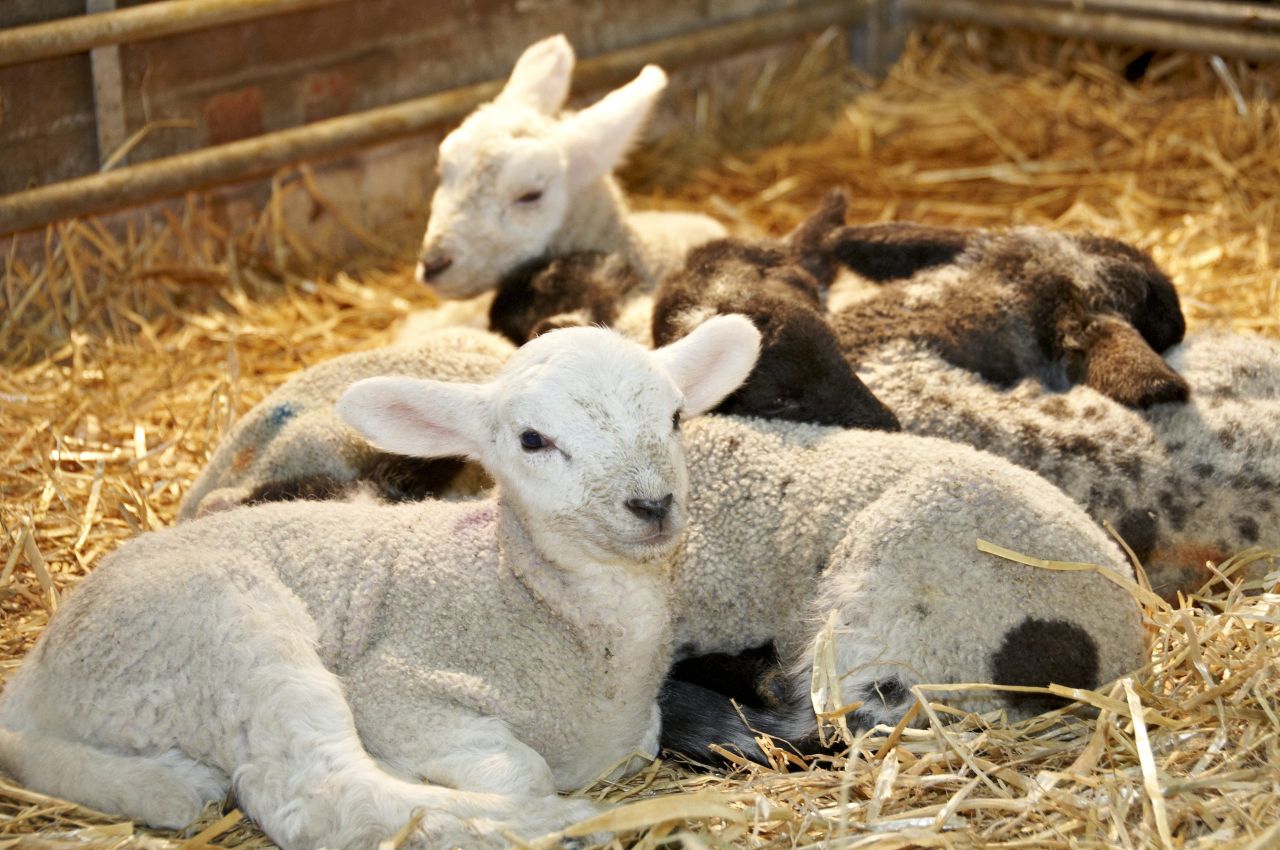
A "three-fold approach" is needed to ensure ewes are fit for breeding after a challenging summer, according to Teagasc sheep specialist Ciaran Lynch.
He said that dry conditions over previous weeks saw some sheep farmers – especially those in the areas worst affected by drought – turn to conserved forages such as silage and hay to feed their ewes flocks.
Lynch said: “This, in many ways, brought additional challenges and workload at farm level, not only through additional feeding out but also on a potential impact on ewe body condition score.
“With mating start date six or seven weeks away for most March-lambing flocks, a priority now is ensuring ewes are fit for breeding.
"A three-fold approach is needed.”
Reduce problem ewes
Firstly, Lynch advises that, as fodder and grass supplies are tight on some farms, a thorough examination of the breeding flock is required.
He recommended identifying and removing problem ewes from the breeding flock, allowing the available grass, forage and concentrate to be targeted at the more productive ewes.
He said: “Cull any passengers; ewes with a history of prolapse, poor mothering ability or repeated lambing problems; ewes with poor udder and teat health; lameness; and ewes with missing, broken or worn teeth or other dental problems.”
Body condition scoring
Secondly, according to Lynch, it is appropriate to body condition score (BCS) the flock and give priority to thinner ewes, particularly those at BCS 2.5 or below.
The target is to have ewes at approximately BCS 3.5 at mating.
He said: “As a practical guide, a ewe at BCS 2.5 may need to gain around 10kg liveweight to reach BCS 3.5 at mating.
“Under normal conditions, grazing thinner ewes on goodquality grass would provide an opportunity to achieve this gain.
“However, where grass is limited, conserved forage and concentrate may be required to help ewes improve condition ahead of mating.”
Assess feed options
Finally, Lynch has advised farmers to decide on the level of intervention required based on current ewe BCS, forage quality, and the likelihood of adequate grass becoming available before mating.
He said: “Where the need to supplement has been identified, start by assessing the quality of forage available.”
According to Lynch, high-quality - 75 dry matter digestibility (DMD) - silage will allow a marginal gain, but falls short of the requirement to bring ewes from BCS 2.5 to 3.5.
He added: “Medium-quality (70% DMD) silage should be sufficient to maintain condition, although there will be little opportunity for additional gain, whereas good quality hay should meet maintenance requirements and allow for a marginal gain.
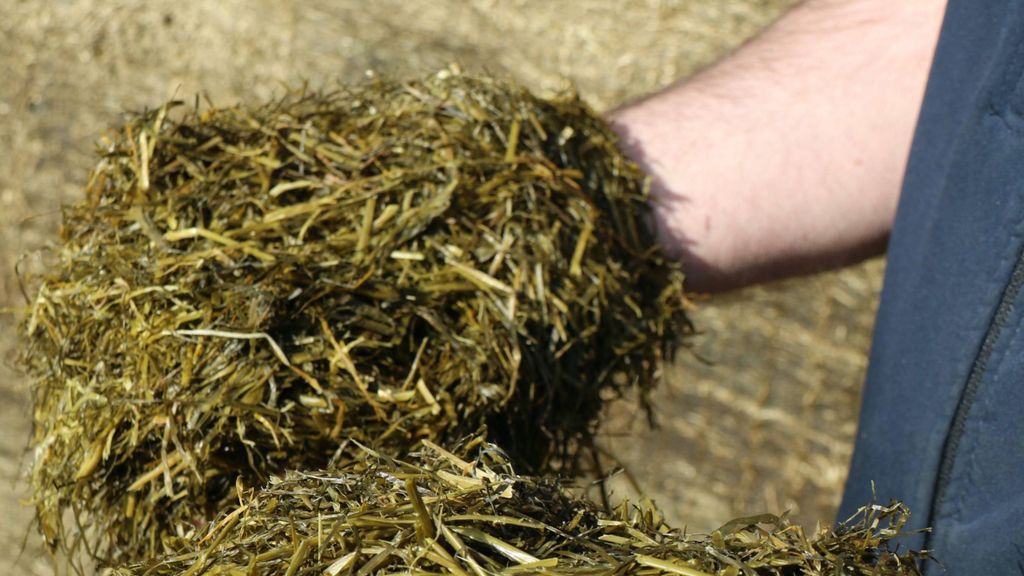
“In circumstances where low-quality (65% DMD) and poor quality (60% DMD) silage or average quality hay is available, additional concentrate supplementation may be required for both fit and thinner ewes.”
Lynch said that where supplementation is required, feeding around 0.5kg concentrate per ewe per day can help drive additional liveweight gain and improve body condition ahead of mating.
He added: “Thinner ewes (BCS 2.5 or below) should be prioritised, with the aim of gaining up to 0.5 BCS where sufficient time is available.
“If higher feed levels are being considered, split the feed between two feeds per day.”