TB testing, a shock resignation and questions for the Veterinary Council
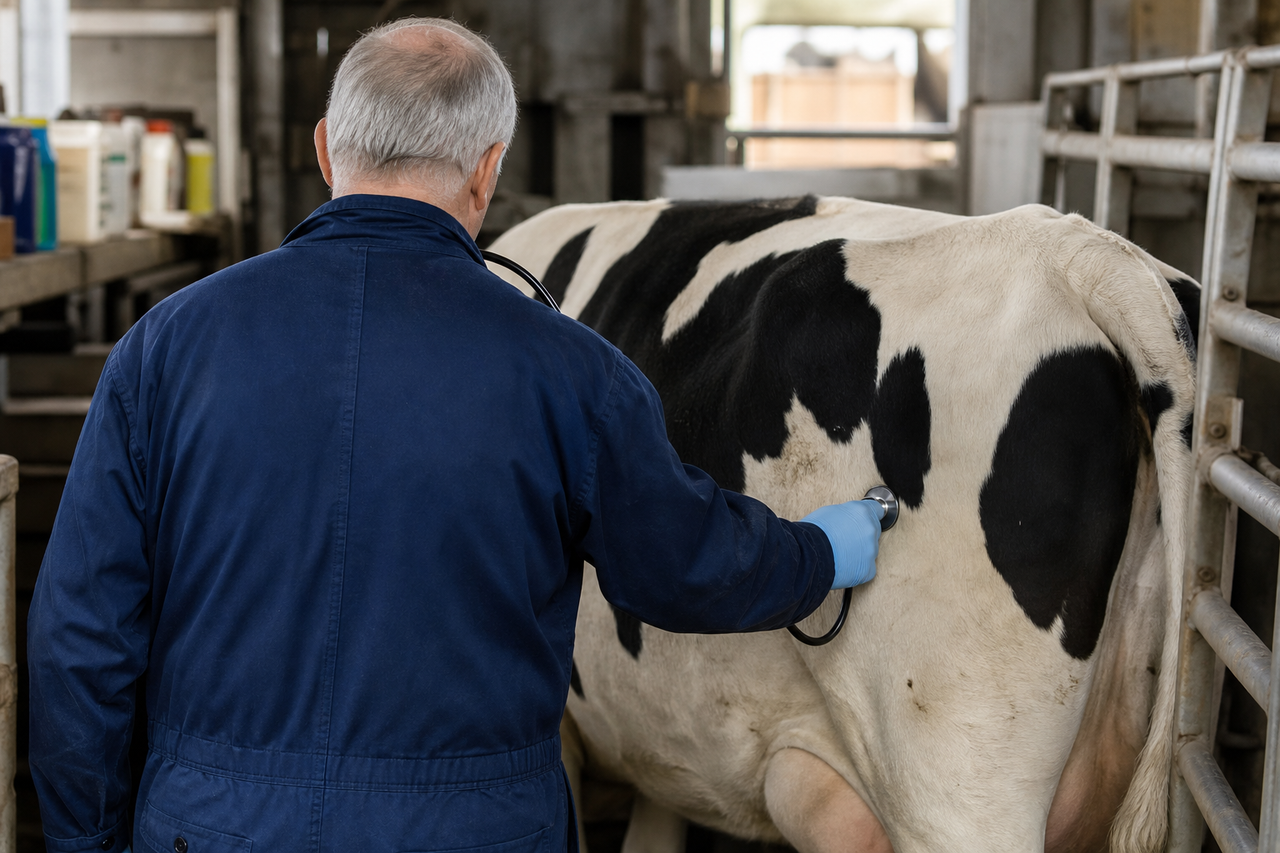
A vet losing their authority to carry out TB testing for three months is a serious matter.
But what happens if a vet, who at the time was also the president of the Veterinary Council of Ireland (VCI) - the statutory body responsible for regulating Ireland’s veterinary profession - was suspended from TB testing?
Would this vet's subsequent resignation from the VCI raise serious questions about governance, accountability and public confidence in the regulator?
To understand how the VCI has arrived at this point, it is worth going back to January - when Joseph Walsh, a partner in a four-person mixed veterinary practice in Carrick-On-Suir, Co. Tipperary, was appointed president of the body following an uncontested election.
The Veterinary Council operates under the aegis of the Minister for Agriculture, Food and the Marine and is a statutory board made up of 19 members both appointed and elected members.
There are nine elected veterinary practitioners and one elected veterinary nurse on the council.
The other nine members are appointed by the Minister for Agriculture, Food and the Marine (4), the Minister for Higher Education (1), the National University of Ireland (2), the Consumer and Competition Commission (1) and the Food Safety Authority of Ireland (1).
The Veterinary Council is also supported by an executive team of 12 people.
President
At the time of his appointment as president in January, Walsh described the role as “an immense privilege".
However, just seven months later, his presidency appeared to be in turmoil as he submitted a letter of resignation to the VCI on July 23 but then withdrew it.
Weeks later, he sent a second letter of resignation and the Council then accepted this letter at a meeting on August 26.
So what happened in the seven months since Walsh was first appointed?
Walsh was no stranger to the VCI before his appointment as president.
He had previously served on the council for four years and also served on its education committee, practice premises committee, preliminary investigation committee and had been chairman of the legislation and ethics committee at one stage.
However the sequence of events that would ultimately trigger Joseph Walsh’s resignation as president of the VCI appear to have begun on July 4, when he informed the Council’s Acting Registrar of “an issue that arose in his professional capacity as a private veterinary practitioner”.
Neither Joseph Walsh nor the VCI has publicly disclosed details of the “issue”.
However Agriland is aware that the Council was told that Walsh had been suspended by the Department of Agriculture, Food and the Marine (DAFM) from carrying out TB testing, was required to undergo retraining, and was subsequently re-instated.
The precise timing of Walsh’s suspension from TB testing, retraining and re-instatement to test has not been disclosed.
But the episode raises a fundamental question of public confidence: what does it mean for the credibility of Ireland’s veterinary regulator when its president is suspended from carrying out TB testing during a high-profile national campaign to tackle persistently high levels of TB?
Last September the Minister for Agriculture, Food and the Marine, Martin Heydon, launched a Bovine TB Action Plan and the government earmarked more than €157 million as part of Budget 2026 to fight the disease.
In 2025 the overall cost of trying to stop TB spreading further increased to more than €121 million according to figures published by DAFM.
Vet fees for TB testing last year jumped by 28% - compared to corresponding figures for 2024 - to €18.7 million.
TB programme
According to DAFM as part of the TB programme "the quality of TB testing by private veterinary practitioners is monitored and checked by the local Regional Veterinary Office (RVO) under the direction of senior veterinary staff".
DAFM also stated that "when non-compliances are detected relating to the TB testing, the private veterinary practitioner concerned may be suspended from TB testing by the department".
In the first quarter of 2026 there were 48 inspections carried out of private veterinary inspectors involved in TB testing and four private veterinary inspectors were given a "suspension for a period of time" by DAFM from carrying out testing.
The VCI has said that because the TB programme "operates under the regulatory and administrative framework of DAFM, any matters relating to the suspension of an individual’s participation in Bovine Tuberculosis testing are managed directly by DAFM".
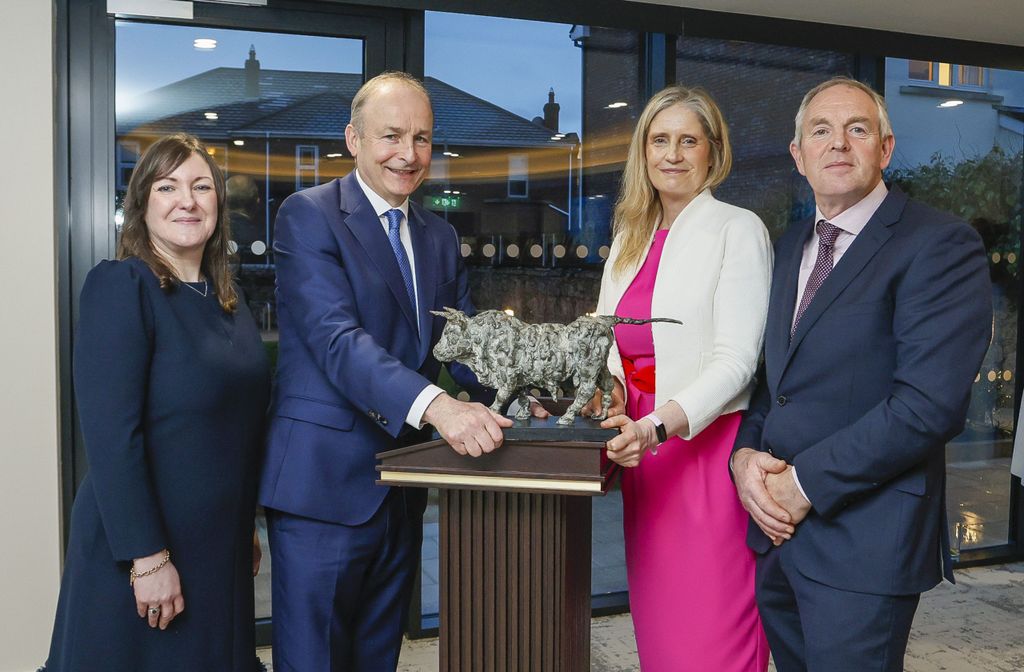
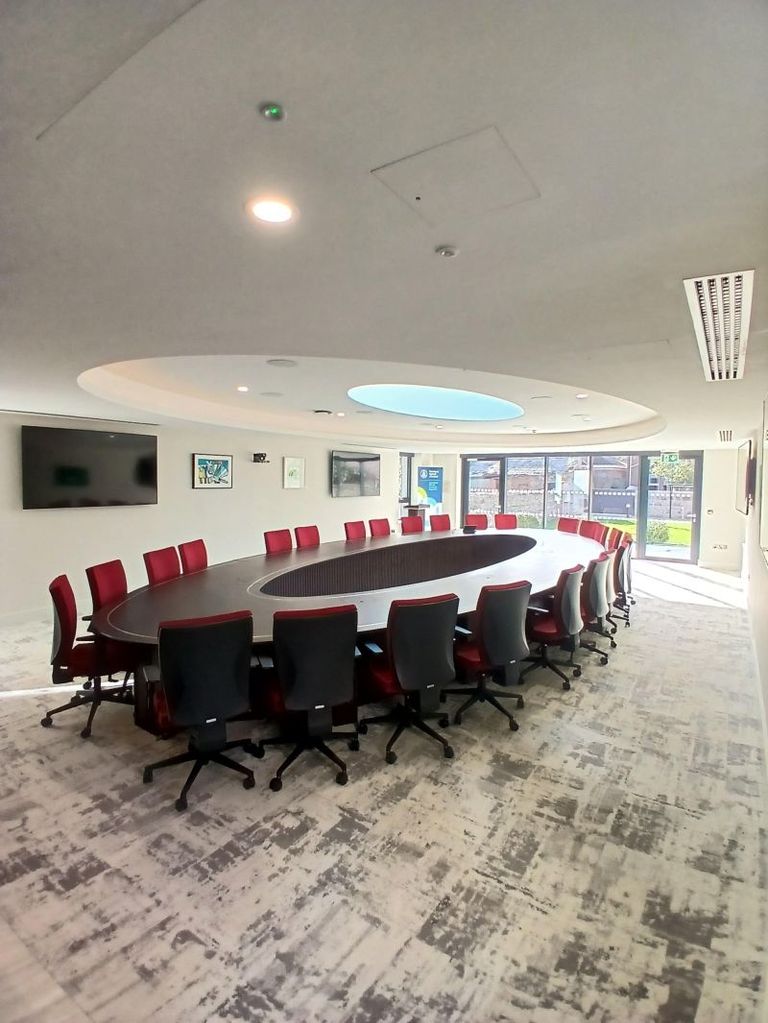
Earlier this year the VCI had projected a picture of confidence when it unveiled a newly purpose-built boardroom designed to facilitate “high functioning and effective council meetings”.
It was officially opened in March by the Taoiseach, who said "the Veterinary Council of Ireland’s investment in its infrastructure reflects its commitment to accountability, high standards and leadership in regulatory practice".
But just months later, has that picture of stability been tested by the resignation of its president and the "issue" that led to his departure?
Agriland has sought further details from DAFM in relation to why Joseph Walsh was suspended from TB testing, when he was re-instated to carry out TB tests and whether DAFM formally notified the VCI of Walsh's suspension.
Separately Agriland has also asked VCI to clarify what next steps it will take in relation to Joseph Walsh's resignation as president and what process will be undertaken to elect a new president.
Meanwhile Minister Martin Heydon has said he has "confidence" in the VCI and that the council has a "very important role to play".
He told Agriland today (Tuesday, September 1) that he had been briefed that the president of the VCI was going to resign.
The minister indicated that he believes that the current system in place which ensures that TB testing by private veterinary practitioners is monitored, demonstrates that there "are very high standards".
"We have a new TB Action Plan that farmers and industry are putting a lot of effort, a lot of costs into and everybody has a very high standard to meet.
"I think it would be reassuring for farmers, and for everybody to know - that everybody along that chain - whatever the responsibility is that they have, that it is audited and that it's tested," he said.