Sponsored
Progressive Galway calf-to-beef system to host national farm walk

Sponsored by

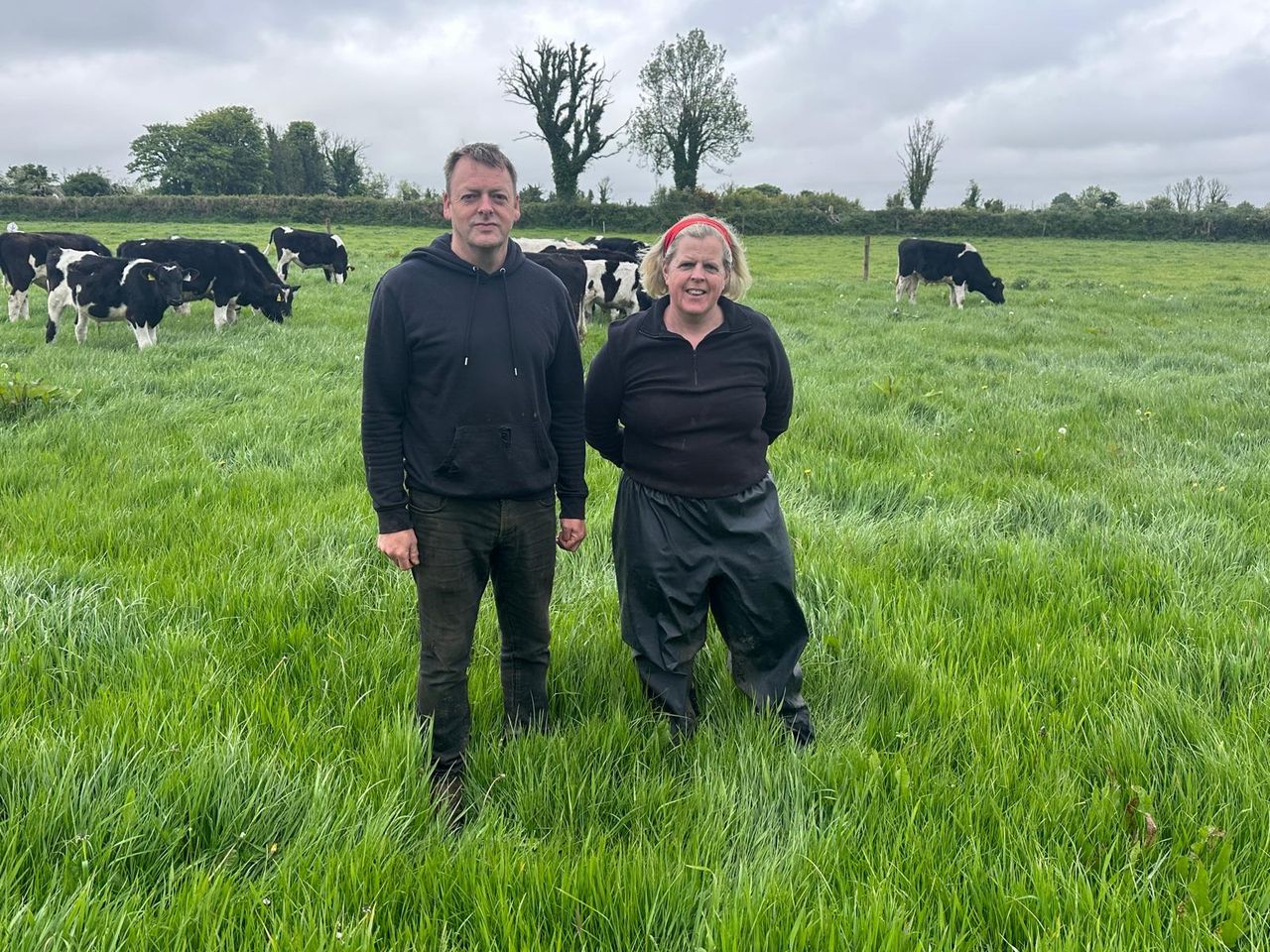
Olivia and Keith Lowry are operating a predominantly early-maturing steer system rearing 70-80 calves annually on 31ha of free-draining land on their Co. Galway farm.
Their holding has undergone significant development in recent years with a strong focus on grassland management, calf performance, animal health and infrastructure improvement.
On Thursday, July 9, the Lowrys will open their gates for an interactive farm walk at 6:30p.m in Cappadavock, near Tuam, Co. Galway.
About the farm
The farm currently rears both autumn and spring-born dairy-beef calves, sourcing stock from a small number of trusted dairy farms to maximise consistency and health status.
In 2026, all autumn calves were sourced from a single farm, while spring calves were purchased from just three farms, helping to simplify management and strengthen biosecurity.
A comprehensive calf health programme is central to the system, incorporating vaccination against respiratory disease, Infectious Bovine Rhinotracheitis (IBR), and clostridial infections, along with targeted parasite control.
The farm follows a structured calf-rearing programme with excellent attention to nutrition, weaning and transition to grass.
Grassland management has been a major focus area on Olivia and Keith’s farm.
Extensive investment in paddock infrastructure and water systems has transformed grazing management across the farm.
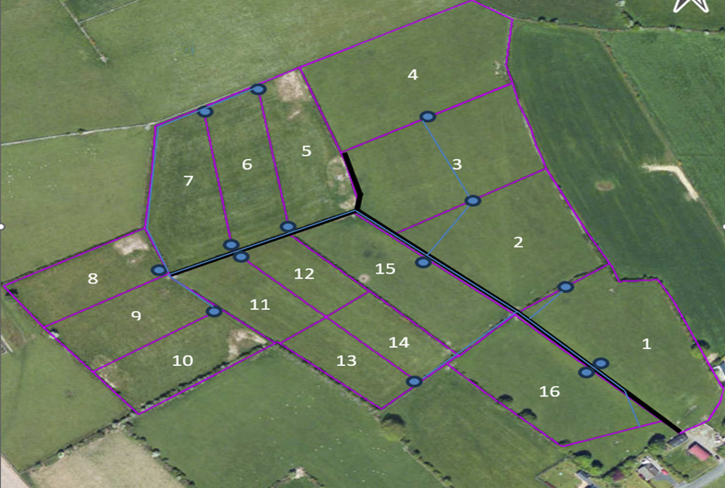
One outfarm block has been redesigned from five large fields with a single water point into a highly efficient grazing platform consisting of a central roadway, sixteen paddocks and fourteen drinkers.
The farm's commitment to soil fertility improvement has also delivered results.
More than 200t of lime were applied between 2023 and 2025 to address soil pH deficiencies.
Recent soil analysis shows no further lime requirement, while phosphorus fertility has improved significantly, with 68% of the farm now at Index 3 or 4.
Potassium remains a focus area, with a planned programme of MOP applications to continue building soil reserves.
Reseeding continues to play a key role in improving productivity, with 35ac reseeded since starting in the Dairy Beef 500 programme.
All silage produced in 2026 will come from reseeded swards, with the objective of improving forage quality, reducing concentrate requirements and driving better animal performance.
The target is for the weanlings to gain >0.6kg/head/day over the winter period with minimal concentrates.
The system is designed around labour efficiency, with Olivia and Keith both working full-time off-farm while successfully managing a growing calf-to-beef enterprise.
The target for this year is to finish approximately 40 cattle at 22 months-of-age at a minimun 300kg carcass-weight demonstrating the potential of a well-managed, grass-based dairy-beef system.
Topics to be discussed on the evening include:
- Farm overview and profitability;
- Calf health and parasite control programmes;
- Grassland management and grazing infrastructure;
- Reseeding and post-emergence management.
This is a great opportunity to meet with the DairyBeef 500 team, along with Teagasc advisors and industry stakeholders, as well as sponsors of the Dairy Beef 500 programme: Corteva Agriscience; Drummonds; Liffey Mills; Munster Bovine; MSD Animal Health; and Volac Milk Replacers Ireland Ltd.
All are welcome to attend on Thursday, July 9 @ 6:30p.m, Cappadavock, Tuam, Co. Galway, Eircode: H54 HW77
Sponsored by