Patton: Droughts should not be a surprise to anyone

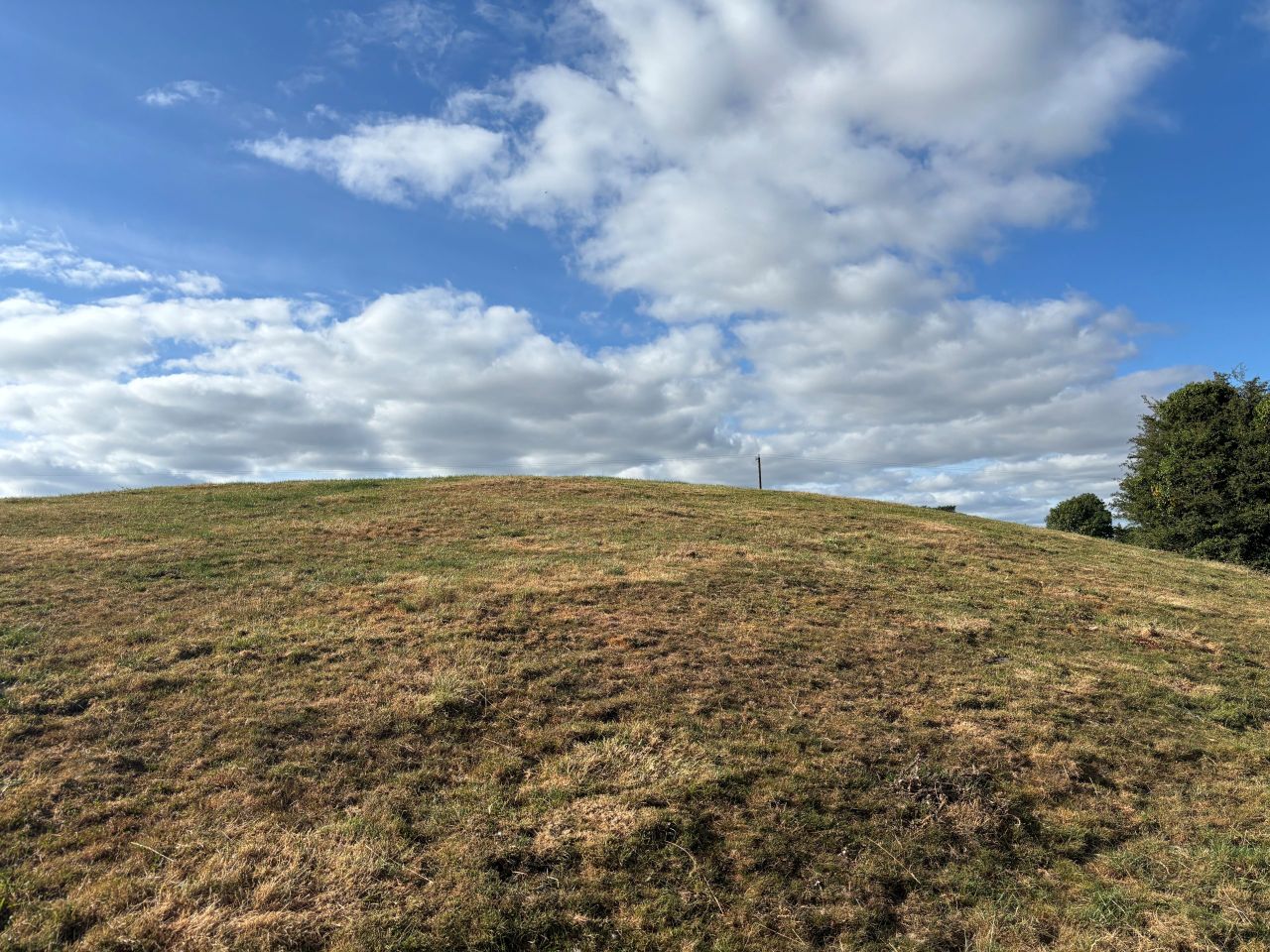
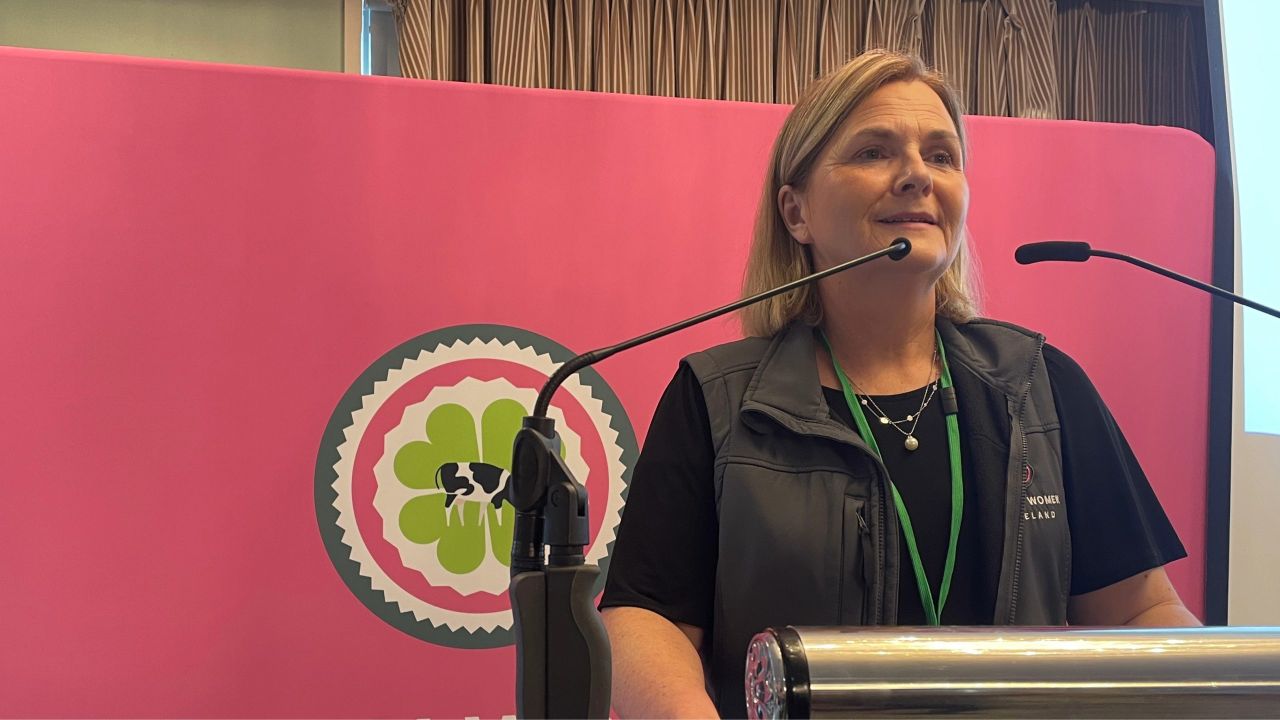
This summer's hard drought should not have come as a surprise to anyone, according to head of dairy knowledge transfer at Teagasc, Dr. Joe Patton.
Patton stated how getting five or six weeks of dry weather is quite predictable in this day and age.
He noted how rather than going into crisis mode, farms need simple, reliable mitigation measure in place for future droughts.
Patton noted how stocking rates are coming down, as farms are adding additional out-blocks, generally for nitrates reasons.
But this alone should be aligning with drought management practices, providing farmers with opportunities to get adequate silage cut.
Outblocks which are not part of the dairy platform should be left aside for silage at an early date, with Patton stressing that farms need to be cutting first cut silage in early to mid-May.
This early cut silage will always be higher in quality, something which instantly helps combat droughts.
Patton, alongside many other distinguished speakers, will be speaking on building resilience against drought as well as others issues at the upcoming National Dairy Conference, which is set to take place on Wednesday, November 25 at the Radisson Blu Hotel, Little Island, Co. Cork.
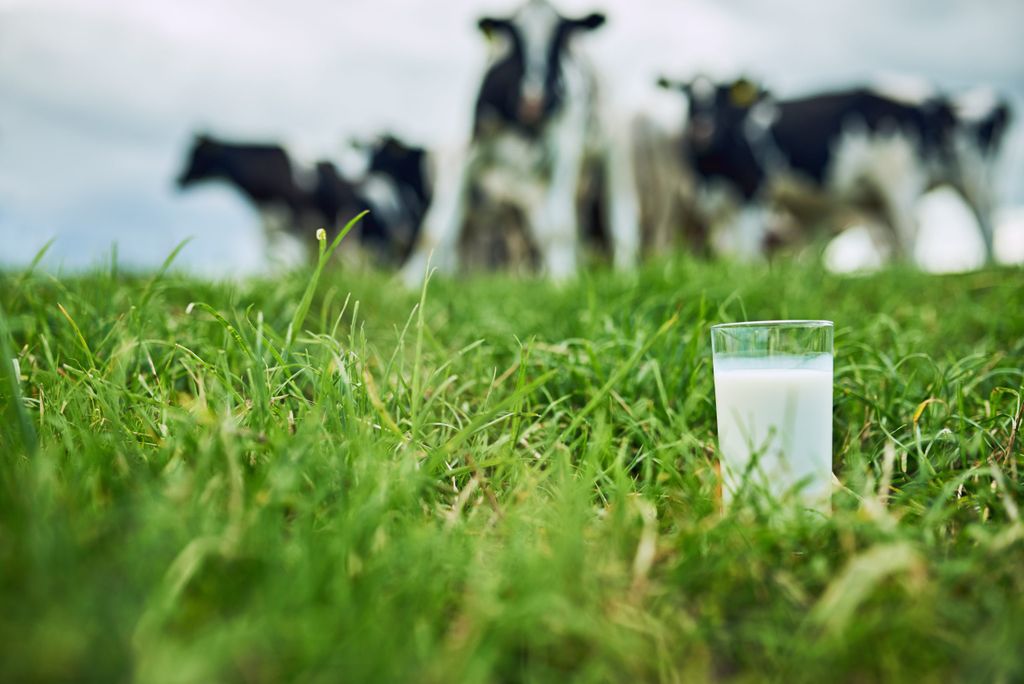
Grass fed
Following a year like 2026, where a poor spring kept cows in for longer than desired, and the drought drove them back to the feed barrier once again, questions begin to arise around Ireland's grass-fed status.
To make matters worse, with protein now driving milk prices rather than butter, the question of the competitiveness of Ireland's grass-fed dairy image in that market also comes to the table.
However, maintaining that image goes beyond just marketing, according to Patton.
He said: "It's an unusual thing where you can find something that has a double benefit.
"All the data show it over the years, the proportion of grass in the diet is what keeps the cost down, that keeps the profit up.
"If we can get a double benefit from having a marketing benefit on that as well, that's really really good."
Patton highlighted how lucky we are that we do not have to compromise from a marketing point of view in order to produce the most economic product possible, as the two factors come together.
On top of marketing and profits, Patton directed to how Ireland's pasture system also makes sense in terms of labour and animal health, working well for both man and beast.
Patton's top tips
Patton also offered his top tips to farmers in the back end of the season, firstly recommending any farmers defying the weather and still grazing need to wrap up, ensuring they have the correct closing cover and therefore enough grass in the spring.
When it comes to farmers wondering if they should continue milking late calvers on, Patton recommends basing the decision on body condition, drying any thin cows early.
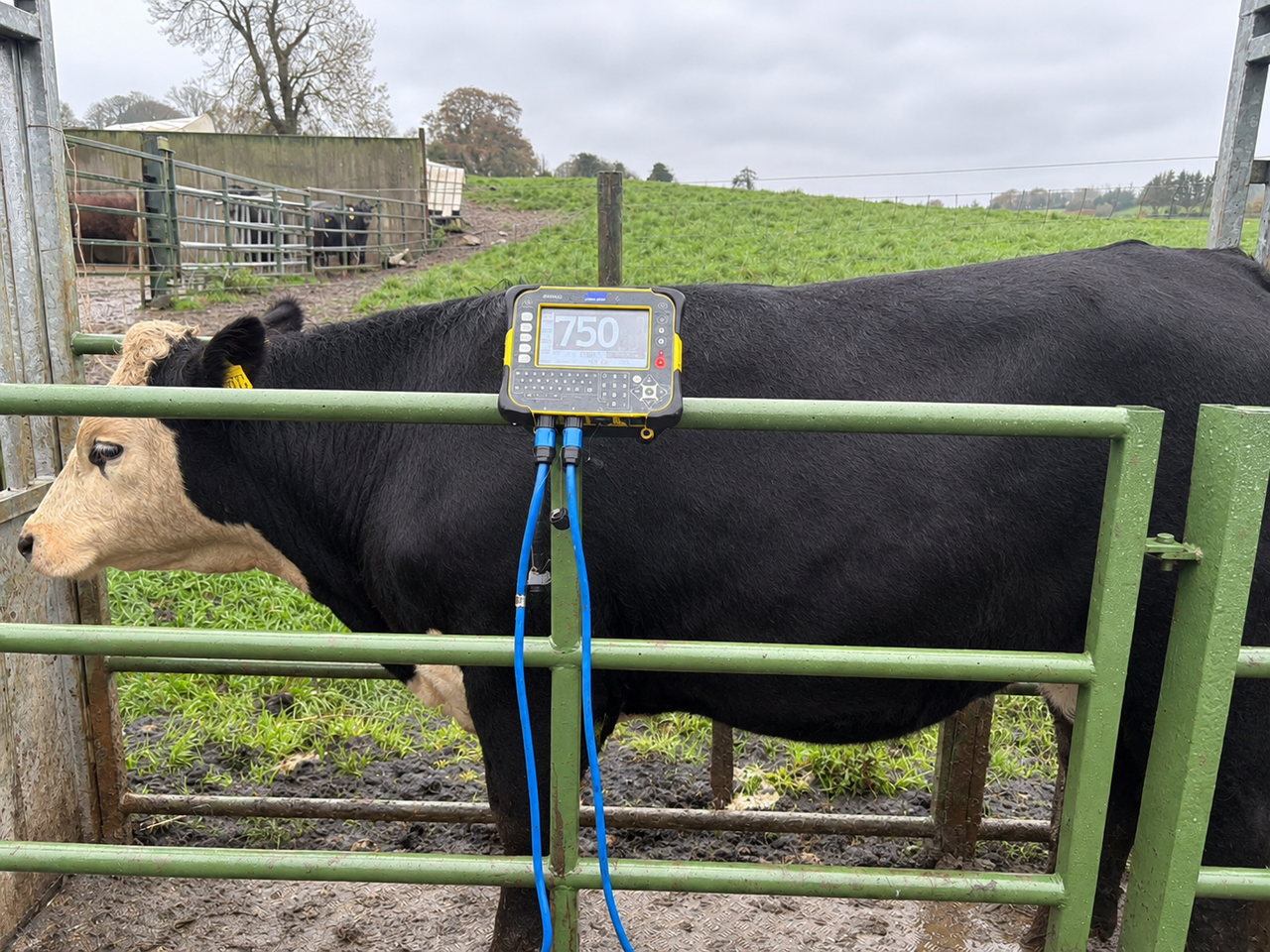
On top of this, weighing weanlings as they move indoors to ensure they are on target is advisable, matching diets to get them back on track if falling behind.
The head of dairy knowledge transfer also noted how important silage testing is, especially when considering how much variable silage was made this year.
Patton noted how there is more and more issues such as milk fever in the spring, which is why lower potassium (K) silage should be kept for the spring.