Opinion: The long-awaited rains have returned, thankfully

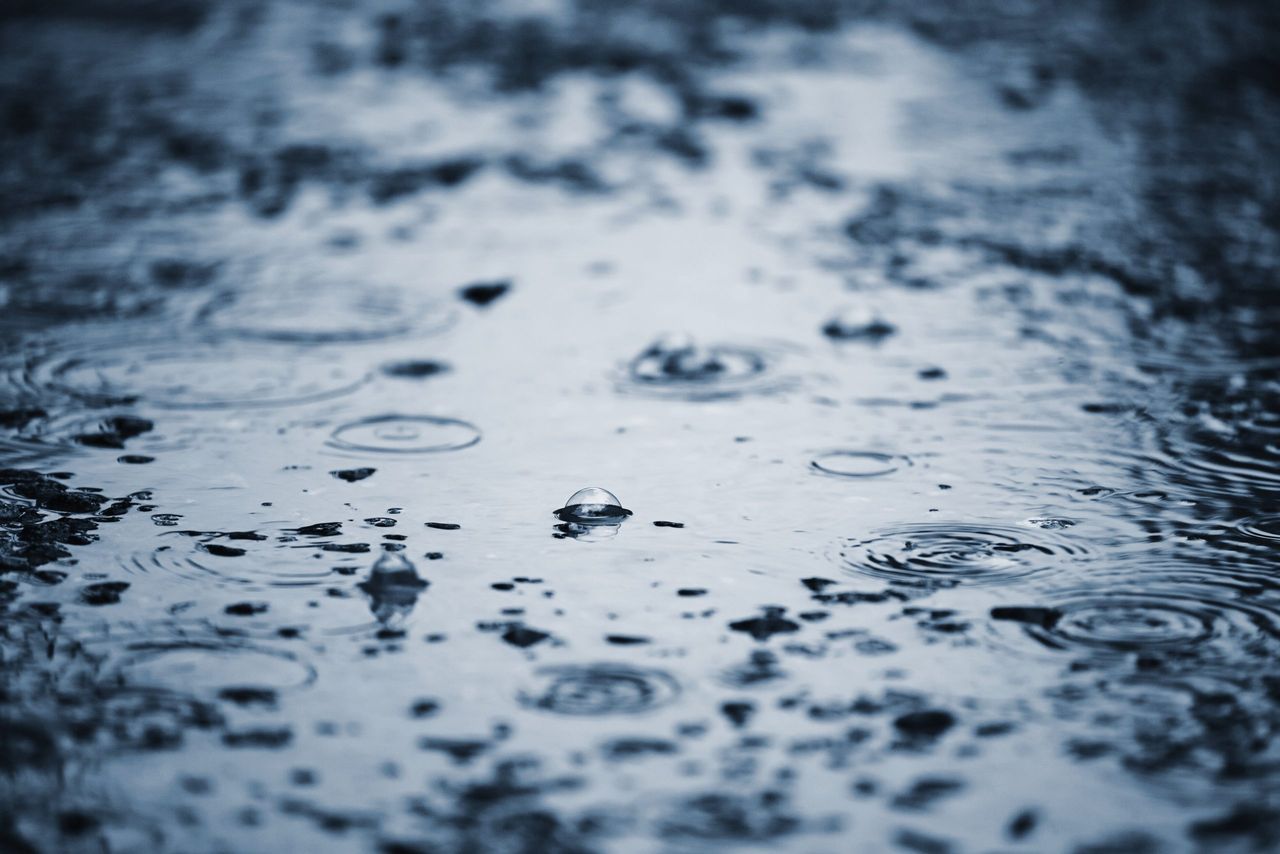
The long-awaited rains that fell in some parts of the country over the past few days are starting to eat into the soil moisture deficits that have built up since the end of June.
But it is only a start. Grass growth has come to a standstill in many places, with stories of farmers using slurry tankers to get much-needed water onto the likes of potato crops now commonplace.
There is an expectation that meaningful rain will fall across the island during the early days of next week: it cannot come quickly enough.
Meanwhile the earliest cereal harvest in living memory has just been completed in many parts of England and Wales.
This is a direct impact of the drought conditions that have manifested themselves in that part of the world for the past two months and more.
But an early harvest comes with a real sting in the tail: a very substantial drop in grain yields.
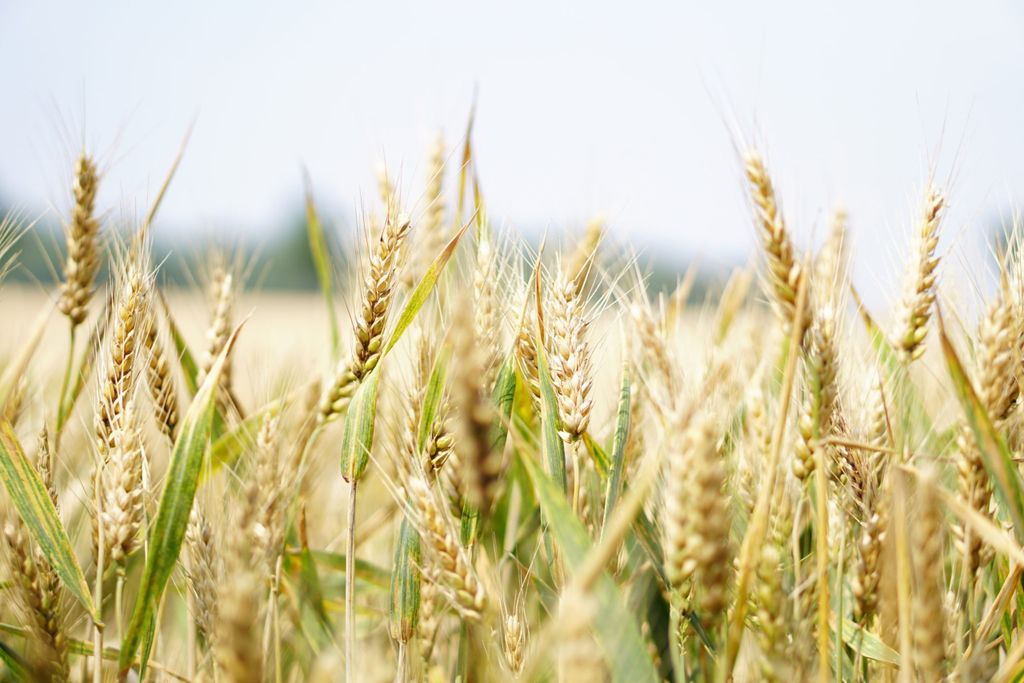
Some growers are confirming a 30% reduction in total cereal output, relative to what they would normally expect.
This development alone will have a major impact on the margins these businesses will make in 2026.
Adding to the pressure on profitability is the fact that world grain markets remain very sluggish and, of course, all input costs relative to the 2025/2026 rocketed upwards, following the outbreak of hostilities in the Persian Gulf.
As we all know, higher than normal temperatures across the UK have had a direct impact on all farming activities.
However, in many countries across Europe, the issue has been one of wildfires burning large areas of crop land.
The end result has seen many farming businesses facing total ruin.
Climate change
Given these circumstances, it is hard not to conclude that climate change is no longer a hypothetical scenario that scientists talk about amongst themselves.
The other reality is that farmers have no direct control over the weather. This is an issue that consumers must also factor in as they consider the future price of food in the shops.
Responding to climate change will see changes in the way that production agriculture goes about its business.
We now know that land use practices and agricultural management systems can be changed in order to mitigate the greatest excesses of climate change.
However, it is important that the role of farmers in making all of this happen must be fully realised across society as a whole.